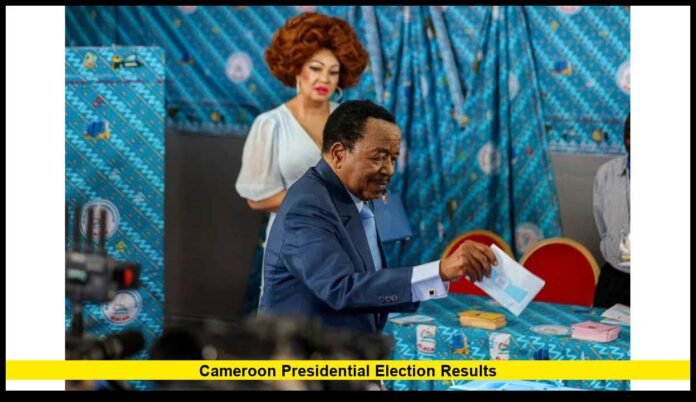

In the latest updates on the Cameroon presidential election results, incumbent President Paul Biya has been officially declared the winner, securing 53.66% of the vote in the nation’s October 12, 2025 poll, according to the country’s top court. The announcement comes after weeks of heightened tensions and public unrest following the election, which the opposition vehemently contests.
Key results at a glance
- Paul Biya (in office since 1982) won 53.66% of votes.
- His main challenger, Issa Tchiroma Bakary, attained 35.19%.
- Voter turnout stood at approximately 57.7%.
- The election was held on October 12, 2025.
Background and build-up
Biya, at 92 years of age, is now the world’s oldest serving head of state and will commence what would be his eighth term in office. His long tenure has been enabled by a constitutional amendment in 2008 that removed presidential term limits.
The election saw the national electoral body, ELECAM, approve 13 candidates out of 83 applicants. Notably, the candidacy of opposition figure Maurice Kamto was rejected earlier in July 2025, raising controversy ahead of the vote.
Election day and counting process
Polling day on October 12 went ahead with voters casting ballots from 8:00 a.m. to 6:00 p.m. local time. Preliminary counting started immediately, with the constitutional court given up to 15 days to declare official results.
Initial provisional results released around October 21 suggested Biya had secured just over 53% of the vote, with Tchiroma around 35%.
Opposition reactions and protests
Shortly after the vote, Tchiroma declared himself the winner—citing his own tally that he said showed a “clear victory” over Biya. The government rejected the claim and urged patience until official validation.
In the days leading up to and after the announcement, protests erupted in major cities. In the economic hub of Douala, clashes between opposition supporters and security forces resulted in at least two deaths and dozens of arrests. The constitutional council subsequently dismissed all petitions contesting the result.
Implications and analysis
For United States-based observers, the election highlights several enduring patterns in Cameroonian politics: an entrenched presidency, a youth-dominated population (over 70% under 35) and growing unrest amid demands for change.
While Biya’s victory consolidates his grip on power, many analysts say his mandate appears increasingly shaky given the level of public discontent. The US government and international bodies will likely be closely watching how the government addresses the unrest and opposition claims of fraud.
The official result may offer continuity for existing foreign-policy and economic relations, but also signals potential risks: continued separatist violence in the English-speaking regions, and the possibility of deeper domestic instability. Instruments of US-international cooperation—such as foreign aid, development programs, and regional security initiatives—may face growing pressure to respond to human-rights concerns and governance issues in Cameroon.
What happens next?
- Biya begins his new term (seven years as per the law) under significant political pressure and youth expectations for reform.
- Opposition groups led by Tchiroma may pursue legal and grassroots strategies to challenge the result, though their path appears constrained by official dismissal of petitions.
- Monitoring bodies and foreign governments will be looking for the government’s response to protester grievances, internet restrictions and arrests of opposition activists.
- Investors, including US-based ones, will evaluate how political stability or instability will influence Cameroon’s business environment, especially in sectors such as oil, mining and agriculture.
The Republic of Cameroon’s presidential election results mark not just another victory for an aging incumbent, but a moment of mounting tension and potential inflection in the country’s political life. The world’s attention—especially in the U.S.—will remain on how the government handles dissent, credibility, and reform demands.
We welcome your thoughts: how do you see the implications of these election results for U.S. relations with Cameroon or for young people in Africa? Leave a comment below and stay tuned for further updates.