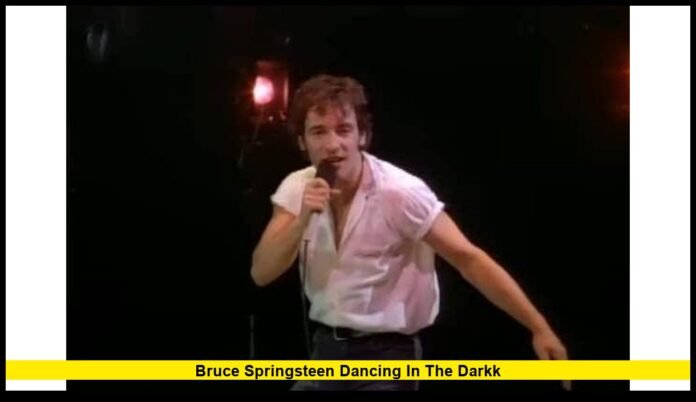

More than four decades after its debut, Bruce Springsteen Dancing in the Dark continues to attract music fans through its unmistakable melody, energetic performance, and enduring place in American rock history. The 1984 recording remains one of the defining songs from Springsteen’s career, with its famous music video, major chart success, and continuing presence in his live performances keeping it relevant for new generations.
The track originally appeared on Born in the U.S.A., an album that helped establish Springsteen as one of America’s biggest rock stars. Its combination of synthesizers, guitar-driven rhythms, and emotionally charged songwriting gave it a distinctive identity. Today, the recording represents an important connection between the sound of 1980s pop-rock and Springsteen’s deeply personal approach to music.
A Song That Helped Define Springsteen’s Career
The release of “Dancing in the Dark” marked an important turning point in Springsteen’s commercial journey. Although he had already built a strong reputation through albums such as Born to Run and The River, the 1984 single introduced his music to an even broader mainstream audience.
Columbia Records released the track in May 1984 as the first single from Born in the U.S.A. Its immediate appeal came from a production style that differed from some of Springsteen’s earlier recordings.
A prominent synthesizer melody and an energetic beat gave the song a radio-friendly sound. However, the lyrics retained the emotional honesty that had become central to his songwriting.
The combination proved successful. The single reached No. 2 on the Billboard Hot 100 in the United States and became one of the most recognizable recordings of the decade.
Springsteen also received the 1985 Grammy Award for Best Rock Vocal Performance, Male, for the song. That recognition further established its importance within his recording career.
The Creative Pressure Behind the Hit
The song’s creation began with a challenge to produce a commercially compelling single for the album. Springsteen’s manager, Jon Landau, wanted a track that could introduce the record to a wider audience.
Springsteen reportedly resisted the request at first, having already invested considerable effort in writing material for the album. Yet that pressure ultimately helped produce one of his most successful songs.
The recording became a turning point in his approach to mainstream production. It embraced the synthesizer-led sound of the era without sacrificing the directness and intensity that distinguished his songwriting.
Its success demonstrated that a polished pop-rock arrangement could carry a more complicated emotional story. Rather than presenting an idealized picture of happiness, the song captures someone searching for motivation and connection.
Courteney Cox and the Music Video That Made History
The song’s visual legacy is almost as famous as its recording. Its music video, directed by Brian De Palma, features Springsteen performing before a live audience before inviting a woman onstage to dance with him.
The woman was Courteney Cox, who later achieved worldwide recognition through her role as Monica Geller on Friends.
At the time, Cox had not yet become the television star audiences would later recognize. Her appearance in the video became a memorable moment in the history of music television.
The sequence also gave the song a playful, spontaneous quality. Springsteen’s interaction with the audience reflected the excitement of his concerts and made the performance feel personal rather than carefully staged.
The video’s enduring popularity illustrates how a single visual moment can become inseparable from a song. For many viewers, the onstage dance remains the first image that comes to mind when they hear the title.
A Deeper Message Beneath the Upbeat Sound
Despite its lively production, the song is not simply about dancing or having a good time. Its emotional foundation is a sense of dissatisfaction with everyday life.
The narrator wants to break away from routine and discover a renewed sense of purpose. That desire gives the song a universal quality, allowing listeners to connect its message with their own experiences.
Its central ideas include:
- The frustration of feeling stuck in the same routine.
- The desire to rediscover excitement and motivation.
- The need for genuine emotional connection.
- The willingness to seek change despite uncertainty.
The upbeat arrangement creates an interesting contrast with those concerns. The music moves forward confidently, while the narrator remains uncertain about how to change his circumstances.
That tension makes the recording more complex than a conventional dance hit. It offers listeners an energetic soundtrack while acknowledging the uncomfortable feelings that can exist beneath an apparently ordinary life.
How the Song Performed on the Charts
Commercially, the single became one of Springsteen’s biggest American hits. It peaked at No. 2 on the Billboard Hot 100 in June 1984, cementing its position among the decade’s major rock releases.
It also reached the UK Top 10, extending its success beyond the United States. The song’s international performance reflected its ability to appeal to listeners across different musical markets.
Its Grammy Award for Best Rock Vocal Performance, Male, in 1985 added further recognition. The award acknowledged Springsteen’s performance and helped reinforce the song’s standing within his catalog.
These achievements also contributed to the enormous popularity of Born in the U.S.A. The album became a landmark release of the 1980s, producing several successful singles and strengthening Springsteen’s status as a major recording artist.
The Song’s Place in Springsteen’s Live Shows
The track continues to connect with concert audiences decades after its original release. Its strong rhythm, familiar melody, and instantly recognizable chorus make it a natural fit for live performances.
A notable recent example arrived on October 28, 2026, when Springsteen and the E Street Band released the final installment of their Land of Hope and Dreams American Tour: Philadelphia Freedom Cut concert footage.
The video features the encore from the band’s May 30 performance in Philadelphia. The set includes “Dancing in the Dark” alongside other well-known Springsteen songs.
The release offers fans a contemporary look at the band’s performance style and demonstrates the track’s continuing place in Springsteen’s live repertoire.
For longtime followers, the performance provides another opportunity to experience a familiar favorite. Newer listeners can see how the song translates from its carefully produced studio version to the energy of a concert stage.
Why New Generations Continue to Discover the Hit
The continued appeal of the song reflects both its musical strengths and its emotional accessibility.
Streaming platforms and online video services allow listeners to discover classic recordings without needing to own the original albums. The famous video also introduces younger audiences to a defining moment in 1980s music culture.
The track’s themes remain understandable today. People continue to experience boredom, uncertainty, loneliness, and the desire to make meaningful changes in their lives.
Its production also offers a snapshot of an important period in American popular music, when synthesizers and dance-influenced rhythms became central to mainstream rock.
Yet the song does not depend entirely on nostalgia. Its emotional tension, distinctive melody, and energetic delivery give it an identity that extends beyond its original decade.
A Lasting Chapter in American Rock History
Few songs capture the combination of mainstream appeal and personal storytelling that defines Bruce Springsteen’s most enduring work. This recording paired an accessible musical arrangement with an honest portrayal of restlessness, helping it reach audiences well beyond his established fan base.
Its chart success, Grammy recognition, memorable video, and continued presence in live performances have preserved its cultural importance.
The 2026 Philadelphia concert release provides another reminder that the song remains part of Springsteen’s musical world, connecting the sound of the 1980s with performances that audiences can experience today.
What keeps this classic alive for you: its unforgettable melody, its message about change, or the iconic music video? Share your thoughts and follow the latest developments in Bruce Springsteen’s musical career.