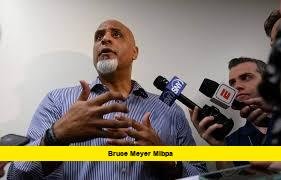

The bruce meyer mlbpa leadership change represents a defining moment for baseball’s labor landscape as Bruce Meyer steps into the role of executive director of the Major League Baseball Players Association. After years working as the union’s chief negotiator and deputy executive director, Meyer now assumes responsibility for guiding players through the sport’s next economic era.
His election reflects the union’s desire for continuity, deep negotiation experience, and a steady approach to complex labor issues that shape the professional game. The move also places Meyer at the center of decisions affecting salaries, league rules, competitive balance, and long-term player protections.
A Veteran Labor Strategist Takes the Helm
Bruce Meyer’s career path positioned him naturally for the top job. Before becoming executive director, he spent years shaping union strategy, helping lead negotiations that produced major changes in player compensation and benefits.
His work extended beyond routine bargaining. Meyer played a central role in structuring proposals, coordinating legal strategy, and advising player leadership during critical labor discussions. Those responsibilities gave him detailed knowledge of how the sport’s financial system operates.
Inside the union, he developed a reputation as a disciplined negotiator focused on measurable gains rather than symbolic victories. That approach helped build trust among player representatives across teams.
The Executive Director’s Influence Across Baseball
The executive director of the MLBPA functions as both chief executive and chief negotiator. The position carries significant influence because it shapes the union’s stance on nearly every major policy affecting players.
Core responsibilities include:
- Leading collective bargaining negotiations
- Managing arbitration and dispute strategy
- Overseeing union operations and staffing
- Advising player leadership on policy decisions
- Representing athletes in discussions with league officials
Meyer’s previous role meant he already handled many of these tasks, allowing for a seamless transition into formal leadership.
Leadership Continuity in a Changing Industry
Baseball’s business environment has shifted rapidly in recent years. Media revenue models are evolving, payroll structures remain uneven, and player development policies continue to change.
In that environment, continuity became a key factor in leadership planning. Meyer’s long tenure inside the organization allows the union to maintain strategic momentum while adapting to new challenges.
His election signals that the MLBPA intends to build on its existing framework rather than introduce dramatic structural change.
Negotiation Experience That Shaped His Reputation
Meyer gained recognition through his involvement in high-stakes bargaining sessions that addressed some of the sport’s most contentious topics. These negotiations included minimum salary increases, competitive balance tax adjustments, and new incentive structures for younger players.
Colleagues often describe his negotiation style as analytical and patient. He emphasizes preparation, detailed economic modeling, and coordinated messaging across player leadership.
That reputation helped solidify his standing as a natural successor when the executive director role became available.
What Players Expect From Meyer’s Leadership
Players look to the MLBPA for both protection and progress. The union must defend existing rights while pushing for improvements that reflect changes in revenue, technology, and the global market.
Under Meyer’s leadership, expectations center on several areas:
- Continued focus on younger player earnings
- Strong representation in arbitration matters
- Clear communication with player representatives
- Stability in labor relations between bargaining cycles
- Strategic planning for the next collective bargaining agreement
Because Meyer worked closely with player committees before his election, he enters the role with established relationships.
Economic Pressures Facing the Union
Modern baseball economics present complicated challenges for union leadership. Differences between high-revenue franchises and smaller-market teams continue to influence negotiations.
Media rights transitions also create uncertainty. As regional sports networks face disruption and streaming expands, teams are reassessing revenue forecasts. Those shifts can affect future salary growth and bargaining priorities.
The union must respond to these changes without weakening player leverage. Meyer’s background in financial analysis and labor law is expected to shape how the MLBPA approaches these discussions.
Competitive Balance Remains a Central Issue
Competitive balance remains one of baseball’s most debated topics. Payroll disparities influence roster construction, free agency markets, and long-term team strategy.
Union leadership often approaches this issue from the perspective of opportunity — ensuring players have access to fair markets and consistent demand for their services.
Meyer’s involvement in prior bargaining cycles gives him direct experience negotiating rules that affect spending limits, tax thresholds, and incentive structures tied to performance.
The Importance of Player Unity
A major responsibility for any executive director is maintaining internal unity. The MLBPA represents athletes at different career stages with varying priorities.
Veteran players may focus on free agency markets, while younger players prioritize salary floors, bonus opportunities, and service-time rules. International players also bring distinct concerns regarding development systems and contract pathways.
Meyer’s years of collaboration with player representatives positioned him to manage these competing interests while keeping the union aligned during negotiations.
Broader Trends in Sports Union Leadership
Across professional sports, union leadership increasingly blends player experience with legal and economic expertise. Complex revenue models, global media deals, and regulatory considerations require specialized knowledge.
Meyer represents that modern leadership profile — a labor strategist working alongside current and former players who shape union priorities.
This structure allows unions to combine technical negotiation skills with direct athlete perspective, strengthening their ability to operate in a rapidly evolving sports economy.
Upcoming Issues That Will Define Meyer’s Tenure
Several issues are likely to shape the next phase of MLBPA leadership.
Media Rights Transformation
Streaming growth and regional network instability continue reshaping how teams generate income.
Player Health and Workload
Injury trends, particularly among pitchers, are driving conversations about scheduling, roster size, and rule adjustments.
Minor League Conditions
Player development compensation and living standards remain ongoing priorities.
International Player Systems
Debate continues over how international signings are structured and regulated.
Revenue Transparency
Financial clarity remains an important factor in bargaining strategy.
Meyer’s approach to these issues will influence both day-to-day labor relations and long-term policy direction.
Industry Reaction to the Leadership Move
Across baseball, Meyer’s election has been widely viewed as a logical step. Team executives, agents, and player representatives already interacted with him during arbitration hearings, bargaining sessions, and policy discussions.
Familiarity can reduce friction during negotiations because stakeholders understand leadership style and communication patterns.
That stability is often considered valuable in a league where economic disagreements are persistent even during periods of labor peace.
How the Role Shapes the Future of Player Rights
The executive director position extends beyond contract negotiations. It plays a key role in defining how players are represented in broader conversations about the sport’s future.
This includes:
- Rule changes that affect player performance and safety
- Economic structures influencing free agency markets
- Technology policies tied to analytics and data use
- Scheduling changes impacting workload
- Benefit programs supporting current and former players
Meyer’s leadership will influence how the union balances immediate priorities with long-term strategy.
The Significance of the Bruce Meyer MLBPA Transition
The bruce meyer mlbpa transition underscores the union’s emphasis on expertise, preparation, and continuity during a period of economic change across professional baseball.
Meyer’s experience in negotiations, arbitration, and internal union operations places him in a position to guide players through complex industry shifts while preserving bargaining strength.
His tenure will likely be measured by how effectively the union navigates evolving revenue models, maintains player unity, and prepares for the next round of major labor discussions.
The leadership change marks the start of a new chapter in baseball’s labor story, one defined by strategic planning, economic analysis, and ongoing advocacy for player interests.