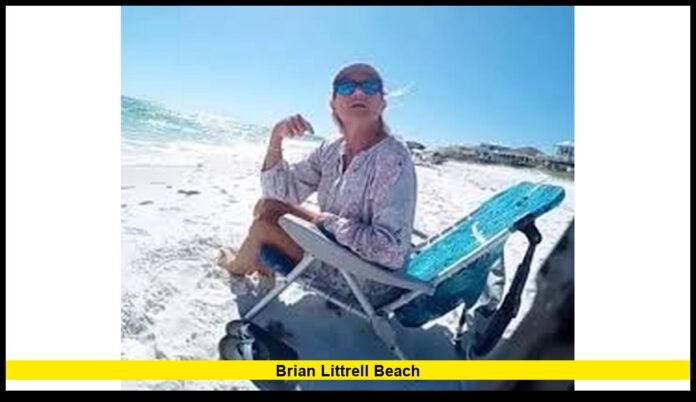

The Brian Littrell beach dispute has escalated into one of the most closely watched legal standoffs along Florida’s Gulf Coast, as new filings reveal additional claims, deeper tensions, and a widening divide between private property rights and public beach access. The ongoing conflict centers on the Backstreet Boys singer’s beachfront home in Santa Rosa Beach, where he and his wife allege that repeated trespassing, harassment, and defiance by a longtime neighbor have disrupted their family life and challenged their legal ownership of the dry-sand area behind their home.
A high-profile coastal conflict with deep local roots
The dispute began shortly after Littrell and his wife purchased their three-bedroom beachfront property in Santa Rosa Beach. The home, set along a prized stretch of the Emerald Coast, includes a deeded section of dry sand — the portion of beach above the high-tide line, which Florida law recognizes as potentially private depending on historic use and recorded ownership.
The Littrells say that from the moment they settled in, they faced unexpected resistance from neighboring residents who objected to private control of the dry-sand beach. Tensions quickly grew as the family attempted to enforce posted boundaries and maintain privacy around their home. Over time, confrontations became frequent, and the conflict transformed into a full-scale legal fight that now spans multiple lawsuits.
Inside the new lawsuit and its allegations
The most recent complaint filed by the Littrells targets a 67-year-old neighbor, Carolyn Barrington Hill. They allege that Hill crossed onto their private sand dozens of times between spring and fall, ignoring clearly displayed “No Trespassing” signs and disregarding direct instructions from the property’s hired staff.
The lawsuit outlines several incidents that the family describes as harassment:
- Hill allegedly placed her personal beach chairs and belongings on their dry-sand portion.
- She was reported to have shouted at their property manager during one confrontation.
- Body-camera footage from deputies shows instances where Hill refused to leave the private beach area despite warnings from responding officers.
- The Littrells claim she recorded them and their guests without permission, a behavior the family says contributed to stress and the need to bring in private security.
- Their complaint states that these ongoing disruptions forced them to limit use of their outdoor spaces—an issue that directly affected their family gatherings and privacy.
The property manager also documented multiple interactions, including conflicts involving equipment being placed on the beach to reinforce property lines. Some of these exchanges became heated, and deputies were called more than once to intervene.
The sheriff’s office enters the conflict
In a separate lawsuit, Littrell’s family company accuses the Walton County Sheriff’s Office of failing to uphold trespassing rules despite the family submitting a formal Trespass Authorization Form. According to their position, officers responded inconsistently and sometimes declined to remove individuals who were inside the private boundary area.
The family argues that the lack of enforcement encouraged additional intrusions and strengthened the belief among some residents that the beach remained publicly accessible. Their legal team claims this reinforced a cycle of disregard and emboldened further incidents, including those involving Hill.
A high-profile battle with statewide implications
Florida’s coastline is governed by a patchwork of rules that differ sharply from one county to the next. While wet sand — the area below the high-tide line — must remain public, private ownership of dry sand is legally recognized if the deed establishes it.
However, not all residents accept the practical implications of this distinction. In popular destinations like Santa Rosa Beach, many locals argue that unwritten customs of free access should supersede paperwork. Others insist that property rights deserve protection, especially when homes cost millions of dollars and owners rely on privacy for safety and peace.
The Littrell case brings this long-standing tension into sharp national focus. Supporters of the singer say homeowners have the right to protect their land, especially when they follow the law. Critics argue the dispute reflects a broader trend of wealthy residents trying to privatize spaces families have enjoyed for generations.
Community reaction: divided sentiment along the coastline
Residents in Walton County have voiced strong opinions. Some back the Littrells, arguing their beachfront land is clearly marked and legally owned. They insist boundaries exist for a reason, and that repeated trespassing — whether motivated by curiosity, defiance, or local tradition — cannot be excused.
Others side with Hill and other beachgoers who challenge the idea that parts of the shoreline should ever be off-limits. Public-access advocates say exclusive control of dry-sand areas leads to conflict and erodes the welcoming character of Gulf Coast communities.
Social media has amplified the debate, with viral posts showing aerial maps, local footage, and commentary from community members. One faction views the singer as a property owner simply defending his rights; another sees him as part of an emerging trend of privatization that threatens long-standing access.
Legal experts highlight what makes this case significant
The case is attracting attention from legal observers who say its outcome could influence beach property enforcement across Florida. Several issues position the dispute as a potential turning point:
1. Clarity of deeded ownership
The Littrells maintain that their deed clearly documents ownership of the dry-sand area. If the court upholds every aspect of that claim, it may strengthen similar homeowners’ ability to enforce trespassing laws along the Gulf Coast.
2. Law enforcement responsibilities
The lawsuit against the sheriff’s office raises questions about how officers must respond when a private beach is involved. Rulings in this case could define expectations for future enforcement and clarify the boundaries between public access and private protection.
3. Impact on tourism and public policy
Santa Rosa Beach is a major tourist destination. Local officials must balance property rights with public enjoyment. A legal precedent favoring strict private control may reshape how counties manage beach signage, visitor guidance, and local regulations.
4. Escalation of neighborhood disputes
The allegations of repeated confrontations highlight how beach property disagreements can quickly intensify. Similar cases elsewhere in Florida have led to long-term feuds, increased police calls, and extensive litigation.
The December court date and what it means for both sides
A key hearing is scheduled for December 11, where a judge will consider Hill’s request to dismiss the lawsuit. Her attorneys argue that her presence on the sand was lawful and claim she has not violated any enforceable property restrictions. They also contend that the Littrell family is overstating the extent and nature of her interactions.
If the court dismisses the claim, it could weaken the singer’s broader legal strategy. If the case proceeds, both sides will enter discovery, opening access to surveillance footage, police reports, property documents, and witness testimony.
The case against the sheriff’s office is progressing separately. If that lawsuit succeeds, it could push local law enforcement agencies statewide to adjust how they intervene in beach property conflicts.
The personal dimension behind the headlines
Beyond legal filings, this conflict reflects a deeper issue affecting families who own beachfront homes. The Littrells say they purchased the property for peaceful family use, only to encounter hostility and intrusion. The family maintains that these repeated disruptions have interfered with daily life, gatherings with relatives, and their children’s ability to enjoy the beach without conflict.
Neighbors sympathetic to the Littrells argue that celebrities often face additional challenges, including privacy threats, unauthorized recording, and constant public interest. They claim the incidents described in the lawsuit go beyond casual beach activity and amount to intentional boundary testing.
Others argue that long-time locals feel protective of the beach and see the area as a shared community space, even where private ownership technically exists.
A broader debate taking shape beyond one shoreline
While this conflict involves a single neighborhood and a single set of homeowners, the larger debate extends statewide. Coastal Florida has experienced an increase in disputes involving homeowners who claim private dry-sand rights, visitors who resist those claims, and local agencies caught between competing expectations.
As more people move into Florida’s beach communities — including retirees, families, and high-profile figures — similar disputes are likely to continue. The Littrell case illustrates how quickly a disagreement over sand boundaries can evolve into litigation, public debate, and national attention.
Later in the article: legal observers point out that the Brian Littrell beach dispute could ultimately influence how counties and homeowners navigate the balance between access and ownership along the Gulf Coast.
What to watch in the coming weeks
With multiple lawsuits pending, public pressure rising, and a December hearing approaching, the outcome of this case may influence how other property owners assert their rights — and how visitors respond. County officials may also review how beach boundaries are marked, how signage is handled, and how deputies respond to trespassing calls on dry sand.
Both sides appear prepared for a lengthy legal process. The Littrell family maintains that they will continue to protect their privacy and enforce their deeded rights. Hill argues she has been unfairly targeted and insists she has not broken the law.
The resolution may take months, but its impact could be felt far beyond the edge of one Gulf Coast property.