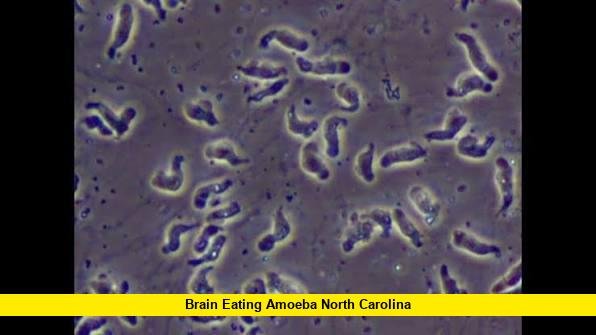

A central North Carolina teenager is fighting for their life after contracting a rare brain infection caused by the so-called brain-eating amoeba. State health officials confirmed the case on August 27, 2026, and the news has once again put a spotlight on a rare but deadly organism found in the state’s warm lakes, rivers, and ponds.
Here is everything confirmed so far, along with what North Carolina residents should know about staying safe this summer.
What Happened This Week
The North Carolina Department of Health and Human Services announced on August 27, 2026, that a teenager from central North Carolina is critically ill with an infection caused by Naegleria fowleri, commonly known as the brain-eating amoeba. The teen is currently receiving medical care, and officials have not released the patient’s name, age, or exact location to protect the family’s privacy.
State Epidemiologist Dr. Zack Moore said the case is extremely rare but serves as an important reminder that Naegleria fowleri naturally exists in warm freshwater across North Carolina. Health officials are still investigating where the teen may have been exposed to the organism, and no additional details have been confirmed as of this writing.
What Is Naegleria Fowleri
Naegleria fowleri is a microscopic, single-celled organism that lives naturally in warm freshwater environments such as lakes, rivers, ponds, and hot springs. According to the Centers for Disease Control and Prevention, the amoeba earned its nickname because it can travel to the brain and destroy brain tissue once it enters the body.
The infection it causes is called primary amebic meningoencephalitis, or PAM. PAM is almost always fatal, but it is also exceptionally rare. Nationwide, only a small number of cases are confirmed each year, and most occur during the hottest months of summer when water temperatures climb.
How People Get Infected
Naegleria fowleri does not cause illness if a person swallows contaminated water. The danger comes when water forced up the nose carries the amoeba to the brain. Health officials say this can happen during activities such as diving, jumping into water, water-skiing, or splashing around in shallow, warm freshwater.
The organism becomes more active when water temperatures rise above 77 degrees Fahrenheit, which is common across North Carolina in late summer. Stirring up sediment at the bottom of a lake or pond may also increase exposure risk, since the amoeba often lives near the bottom of warm bodies of water.
North Carolina’s History With the Amoeba
While infections remain rare, North Carolina has recorded cases before. The CDC documented five confirmed Naegleria fowleri infections in the state between 1962 and 2018. More recently, a Guilford County man named Eddie Gray died after swimming at Fantasy Lake Water Park in Hope Mills, Cumberland County, on July 12, 2019. His death was the first confirmed case in Cumberland County and renewed statewide attention on freshwater safety.
The newly confirmed 2026 case marks another rare instance of the infection appearing in the state, reinforcing what health officials have said for years: the organism is present in North Carolina’s warm freshwater and cannot be removed or treated away.
Symptoms to Watch For
Symptoms of PAM typically begin one to nine days after exposure and can progress quickly. Early warning signs may include:
Severe headache that comes on suddenly and does not improve.
Fever paired with nausea or vomiting.
Stiff neck, confusion, or a loss of balance.
Seizures or hallucinations as the infection advances.
Because symptoms can resemble bacterial meningitis, health officials say early medical evaluation is critical for anyone who develops these symptoms after swimming in warm freshwater.
How To Protect Yourself and Your Family
Health officials recommend several precautions for anyone swimming in lakes, rivers, or ponds during warm weather:
Avoid getting water up your nose while swimming, diving, or jumping into freshwater.
Use nose clips or hold your nose shut during water activities in warm lakes and rivers.
Avoid digging or stirring up sediment at the bottom of shallow, warm freshwater.
Steer clear of swimming in warm freshwater during periods of unusually high water temperatures or low water levels.
Avoid submerging your head in hot springs or other untreated thermal waters.
These steps do not eliminate risk entirely, since the amoeba cannot be filtered or removed from natural bodies of water, but they significantly reduce the chance of water reaching the nasal passages.
A Wider Pattern Across the Southeast
North Carolina is not alone in reporting cases this year. Louisiana health officials confirmed a Naegleria fowleri infection tied to swimming in Lake Claiborne, Claiborne Parish, on August 19, 2026. Missouri and South Carolina have also reported confirmed infections during the 2025 to 2026 warm-weather season, and public health researchers say cases may be gradually expanding into states not traditionally associated with the amoeba, including parts of the Midwest, as average water temperatures rise.
Texas and Florida remain the states with the highest historical case counts, but officials stress that no region with warm freshwater lakes, rivers, or ponds can be considered completely risk-free.
What Comes Next
The North Carolina Department of Health and Human Services has not released further updates on the teen’s condition or the specific location where exposure may have occurred. Investigators are continuing to work to identify the source of the infection, and officials say more information may be shared if it becomes relevant to public safety.
In the meantime, health officials are urging residents across the state to stay informed and take basic precautions before heading into lakes, rivers, or ponds as warm weather continues into early fall.
Stay safe out there, and keep checking back with us for the latest updates on this developing North Carolina health story — drop your thoughts or questions in the comments below.