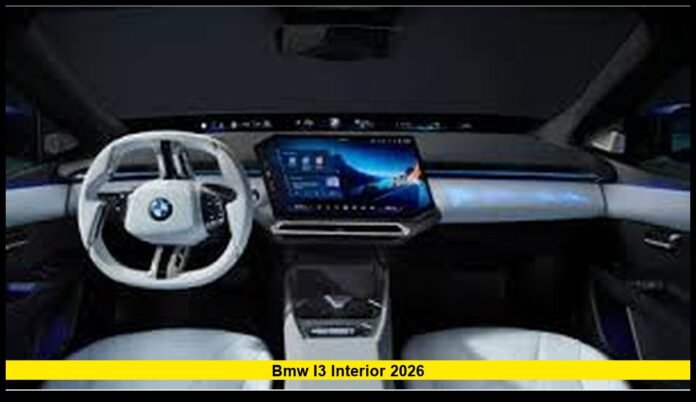

The bmw i3 interior remains one of the most distinctive electric vehicle cabins in 2026, continuing to attract attention for its sustainable materials, airy layout, and forward-thinking design even after production ended.
A Unique Approach to Interior Design
When BMW introduced the i3, it broke away from traditional automotive design. The interior did not follow the usual layout seen in gasoline-powered cars.
Instead, BMW focused on creating a light, open, and environmentally conscious cabin. This approach still feels modern today, especially as more automakers move toward minimalist EV interiors.
The i3 interior blends functionality with a design philosophy centered on efficiency and sustainability.
Production Ended, But Interest Remains Strong
BMW stopped producing the i3 in 2022. Despite that, the vehicle remains popular in the U.S. used car market.
Buyers continue to seek it out because of:
- Its unique interior design
- Eco-friendly materials
- Practical layout for city driving
Even years later, the cabin design keeps the i3 relevant among electric vehicles.
Open and Airy Cabin Layout
One of the most striking features of the i3 interior is how open it feels. BMW achieved this by rethinking how space is used inside the vehicle.
Key design elements include:
- A flat floor with no central tunnel
- A slim dashboard that extends horizontally
- A floating center display
These features create a spacious feeling that exceeds expectations for a compact car.
Minimalist Dashboard and Controls
The dashboard design focuses on simplicity. BMW reduced the number of buttons and controls to create a cleaner look.
Important features include:
- A standalone infotainment screen positioned above the dash
- A compact digital instrument display behind the steering wheel
- A rotary controller for navigating menus
This setup keeps the driver focused while maintaining easy access to essential functions.
Sustainable Materials and Eco-Friendly Focus
BMW designed the i3 interior with sustainability at its core. Many materials used in the cabin come from renewable or recycled sources.
Notable materials include:
- Eucalyptus wood trim that requires minimal processing
- Recycled plastics integrated into panels and trim
- Natural fibers used in upholstery
These materials reduce environmental impact without sacrificing quality or appearance.
Seat Design and Driving Position
The seats in the i3 reflect its lightweight philosophy. They are thinner than traditional car seats but still provide adequate support.
Key characteristics:
- Upright seating position for better road visibility
- Lightweight construction to improve efficiency
- Available cloth and leather options depending on trim
Drivers often note that the seating position feels comfortable for daily commuting.
Rear Seating Layout and Accessibility
The rear seating area offers space for two passengers. While compact, it provides enough room for short trips.
A unique feature of the i3 is its rear-hinged doors, often called coach doors.
Benefits include:
- Easier entry and exit in tight parking spaces
- Wider opening for passengers
However, the design requires the front doors to open first, which can be less convenient in some situations.
Technology and Infotainment System
The i3 uses BMW’s iDrive system, which remains user-friendly even compared to newer vehicles.
Technology features include:
- Central infotainment screen with navigation and media functions
- Rotary controller for menu navigation
- Bluetooth connectivity for phones and audio
The system focuses on ease of use rather than overwhelming drivers with complex features.
Digital Instrument Display
Instead of traditional gauges, the i3 features a compact digital display behind the steering wheel.
This display shows:
- Vehicle speed
- Battery charge level
- Estimated driving range
The layout is simple and easy to read, helping drivers stay informed without distraction.
Storage and Everyday Practicality
BMW designed the interior with urban use in mind. Storage options are practical for daily needs.
Available storage includes:
- Door compartments for small items
- Center console storage areas
- A rear cargo space suitable for groceries or bags
While not designed for large cargo, the layout works well for city living.
Interior Trim Options and Styling
The i3 offered multiple interior themes, each with a distinct look and feel.
Main trim levels include:
- Mega World: Focuses on cloth materials and a clean design
- Giga World: Adds leather accents and upgraded finishes
- Tera World: Offers premium leather and wood combinations
These options allowed buyers to choose between sustainability and luxury.
Lighting and Visibility
The cabin benefits from excellent visibility due to its design.
Key features include:
- Large windows that bring in natural light
- A high seating position for better road view
- Optional ambient lighting for added comfort
These elements create a bright and inviting interior environment.
Build Quality and Longevity
BMW maintained high standards for build quality in the i3 interior. Materials feel durable, and assembly is precise.
Owners often report:
- Long-lasting upholstery
- Solid construction of interior components
- Minimal wear even after years of use
This durability adds to the vehicle’s appeal in the used market.
How It Compares to Modern EV Interiors
Modern electric vehicles often emphasize large screens and advanced technology. The i3 takes a different approach.
Comparison highlights:
| Feature | BMW i3 | Newer EVs |
|---|---|---|
| Design | Minimalist | Screen-focused |
| Materials | Sustainable | Mixed materials |
| Layout | Open and simple | Tech-heavy |
The i3 stands out for prioritizing simplicity and sustainability.
Why the Interior Still Stands Out
The bmw i3 interior continues to influence how automakers design electric vehicles. Its focus on sustainability and efficiency set it apart from traditional designs.
It demonstrated that:
- Eco-friendly materials can look and feel premium
- Minimalist design improves usability
- Compact cars can offer a spacious cabin
These ideas remain relevant in today’s automotive market.
Common Owner Impressions
Drivers and owners often highlight several strengths of the i3 interior.
Positive aspects include:
- Unique and modern appearance
- Comfortable driving position
- Excellent visibility
Some limitations are also noted:
- Limited rear legroom
- Smaller infotainment display compared to newer models
Despite these points, the interior remains widely appreciated.
Key Takeaways
- The i3 interior emphasizes sustainability and simplicity
- Production ended in 2022, but interest remains strong
- Materials and layout continue to influence EV design
- The cabin offers a unique driving experience
These factors explain why the i3 interior still receives attention in 2026.
Conclusion
The BMW i3 interior remains a standout example of innovative design in the electric vehicle world. Its combination of sustainable materials, open layout, and user-friendly features continues to resonate with drivers today.
Do you think the BMW i3 interior was ahead of its time, or do newer EVs offer a better experience? Share your thoughts and join the discussion.