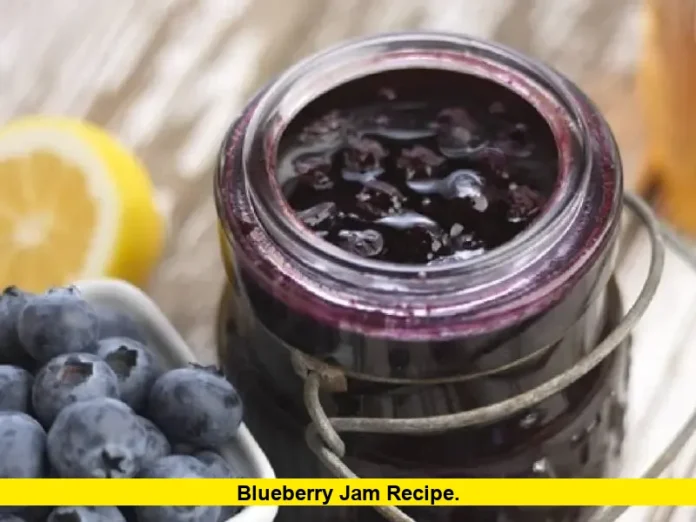

Few things capture the taste of the season quite like a homemade blueberry jam recipe. Whether you have a surplus of fresh berries from a summer picking trip or a few bags of frozen blueberries in the freezer, turning them into a rich, spreadable jam is one of the most satisfying kitchen projects you can take on. This guide walks through everything needed to make a batch that sets properly, tastes vibrant, and stores safely, whether the plan is to enjoy it within a few weeks or preserve it on the pantry shelf for months to come.
Why Blueberry Jam Remains a Kitchen Favorite
Blueberries hold a unique place among fruits used for preserving. They are naturally low in acid and moderate in pectin, which means they behave a little differently on the stove compared to high-pectin fruits like apples or citrus. That said, this is exactly what makes a well-tested blueberry jam recipe so useful to have on hand. With the right balance of sugar, acid, and heat, blueberries break down into a glossy, deep-purple spread that pairs beautifully with toast, scones, yogurt, and even savory dishes like roasted meats or cheese boards.
Part of the appeal also comes from how forgiving the process is once the basics are understood. Unlike more delicate preserves, blueberry jam does not require exotic ingredients or specialized equipment. A pot, a wooden spoon, some jars, and a handful of pantry staples are typically enough to get started.
Ingredients for a Classic Blueberry Jam Recipe
A traditional batch relies on just a few core ingredients, each playing a specific role in flavor, texture, and safety:
- Fresh or frozen blueberries, rinsed and stemmed
- Granulated sugar, which sweetens the jam and helps it set while also acting as a preservative
- Lemon juice, which adds acidity and supports proper gelling, since blueberries are naturally low in acid
- Pectin, either added separately or found naturally in the fruit, depending on the method chosen
- Butter, sometimes added in small amounts to reduce foaming during cooking
Some cooks also like to fold in a small amount of lemon zest or a pinch of cinnamon for extra depth, though these additions are optional and do not change the fundamental method.
Step-by-Step Method
Making blueberry jam generally follows three main stages: preparing the fruit, cooking the jam, and, if long-term storage is the goal, processing the jars in a water bath canner.
Preparing the fruit. Start by washing the blueberries thoroughly and removing any stems or leaves. Crush the berries using a potato masher or pulse them briefly in a food processor, depending on the desired texture. A rougher crush leaves more whole fruit pieces, while a finer crush produces a smoother spread.
Cooking the jam. Combine the crushed berries with sugar and lemon juice in a heavy-bottomed pot. If using pectin, it is typically mixed with a small portion of the sugar before being added to prevent clumping. Bring the mixture to a rolling boil over medium-high heat, stirring frequently to prevent scorching. A small pat of butter can be stirred in at this stage to reduce foam. Once the jam reaches a full boil that cannot be stirred down, most recipes call for boiling for one to two minutes before removing from heat, though exact timing can vary depending on whether added pectin is used.
Testing for doneness. A reliable way to check if the jam has set is the cold plate test: place a small spoonful of jam on a chilled plate, wait a minute, then run a finger through it. If it wrinkles and holds its shape rather than running back together, the jam is ready.
Filling the jars. Ladle the hot jam into sterilized jars, leaving about a quarter inch of headspace at the top. Wipe the rims clean before applying lids, since any residue can prevent a proper seal.
Canning and Storage Guidance
For anyone planning to store their blueberry jam recipe results outside the refrigerator, proper water bath canning is essential for food safety. According to guidance from resources such as the USDA Complete Guide to Home Canning and the National Center for Home Food Preservation, filled jars should be processed in a boiling water canner for about 10 minutes at elevations up to 1,000 feet, with additional time needed at higher altitudes. Jars should then be left undisturbed on a cooling rack for 12 to 24 hours before the rings are removed and seals are checked.
Processing times generally increase with elevation, so it is worth adjusting based on location:
- 0 to 1,000 feet: approximately 10 minutes
- 1,001 to 6,000 feet: approximately 15 minutes
- Above 6,000 feet: approximately 20 minutes
Properly sealed jars stored in a cool, dark pantry can last up to a year. Once opened, jam should be refrigerated and used within a few weeks. For those who prefer to skip canning altogether, blueberry jam can also be stored in the refrigerator for a couple of months or frozen in freezer-safe containers for up to a year, provided enough headspace is left for expansion.
Food safety experts consistently emphasize following research-tested recipes and proper processing times, since improper canning technique carries a risk of bacterial contamination. Cooks who are new to preserving may want to consult official USDA or university extension resources before altering ingredient ratios, particularly when reducing sugar or substituting pectin types, as these changes can affect both texture and shelf stability.
Variations Worth Trying
Once the basic blueberry jam recipe is mastered, there is plenty of room for experimentation. Some popular variations include:
- Low-sugar or no-sugar-added versions using specialty pectin designed for reduced-sugar recipes
- Spiced blueberry jam with the addition of cinnamon, nutmeg, or a small amount of fresh ginger
- French-style blueberry jam, made without added pectin for a looser, more rustic texture
- Mixed berry versions that combine blueberries with strawberries, raspberries, or blackberries for a layered flavor profile
Each variation may require slight adjustments to cooking time or sugar ratio, so it is worth testing small batches before committing to a large canning run.
Common Troubleshooting Tips
Even experienced cooks occasionally run into issues when making blueberry jam. A few common problems and their likely causes include:
- Jam that will not set: This is often due to insufficient pectin, too little acid, or not reaching a high enough boiling temperature. Adding a small amount of extra lemon juice or a booster dose of pectin can sometimes salvage a runny batch.
- Excessive foam: A small amount of butter stirred in during cooking can help minimize foam, though skimming with a spoon also works.
- Cloudy or discolored jam: This can result from overcooking or using overripe fruit, so selecting berries that are ripe but still firm tends to produce the best color and clarity.
- White rings on canned berries: Occasionally visible after processing, these are a natural, harmless occurrence and not a sign of spoilage.
Public Interest in Home Preserving
Interest in home canning and preserving has remained strong among home cooks who value both the cost savings and the satisfaction of stocking a pantry with homemade goods. Blueberry season, which generally peaks in the summer months across much of North America, tends to drive a noticeable spike in searches for jam and preserving recipes each year, as cooks look to make use of an abundant, seasonal harvest before it passes. Farmers markets, pick-your-own blueberry farms, and grocery store sales during peak season all contribute to this yearly surge in home preserving activity.
Final Thoughts
A good blueberry jam recipe is less about complicated technique and more about understanding a few key principles: balancing sugar and acid, cooking to the right consistency, and following safe canning practices if long-term storage is the goal. Once those basics are in place, the process becomes quick, repeatable, and endlessly adaptable to personal taste. Whether the result ends up on a breakfast table, given as a homemade gift, or tucked away in a pantry for the colder months ahead, a well-made batch of blueberry jam is a small but rewarding way to make the most of the season’s fruit.
Have a favorite twist on classic blueberry jam or a canning tip that works well for you? Share it in the comments and check back for more seasonal recipes and preserving guides.