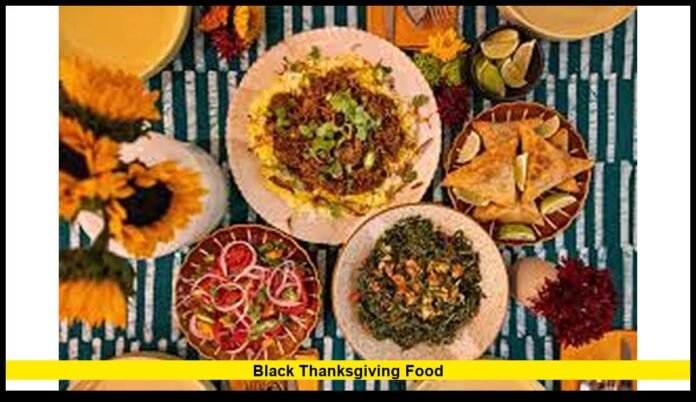

The term black thanksgiving food captures a rich and evolving culinary tradition in the United States, especially as Black American households continue to blend heritage and innovation in their holiday meals. Recent surveys show that more than half of Americans report having dishes on their Thanksgiving table that are over 25 years old, and Black American households in particular emphasize both preserving legacy foods and embracing new flavors.
Honoring Tradition, Embracing Change
Across the U.S., many Black families hold fast to signature dishes that celebrate their cultural heritage. At the same time, they increasingly experiment with new recipes and flavors. For example:
- A recent report found Black Americans were more likely than average to season their turkey with paprika (40 %)—a nod to cultural flavor preferences.
- About 70 % of Black American households say they are open to trying Thanksgiving dishes from other cultural traditions, reflecting an openness to fusion alongside preservation.
- On average, Black American hosts report longer gatherings: around 30 % of Black-hosted events extend beyond seven hours, indicating a deep emphasis on community and celebration.
These trends show how black thanksgiving food remains anchored in culture yet adaptive to contemporary tastes and circumstances.
Key Dishes in the Spotlight
Some of the most commonly featured dishes in the black thanksgiving food tradition include:
- Baked macaroni and cheese: Rich, creamy and baked to perfection, this dish is almost a staple in many Black households.
- Candied sweet potatoes (often called “yams”): Glazed with brown sugar, bourbon or maple syrup, offering both comfort and sweetness.
- Cornbread and cornbread-dressing: In many families, cornbread replaces standard white bread stuffing, reflecting Southern and Black-American foodways.
- Collard greens or mustard greens cooked with smoked turkey necks or ham hocks: A dish with deep roots, representing resilience and tradition.
- Sweet potato pie: More than just dessert, this item carries cultural significance and is frequently preferred over the traditional pumpkin pie in Black American households.
Each of these dishes tells part of the story of black thanksgiving food—legacy, innovation, and belonging.
Trends Shaping the Holiday Table in 2025
Several current factors are shaping how black thanksgiving food appears on tables this year:
- Value and budgeting: With inflation still a concern, many households are making thoughtful choices about number of dishes, ingredients and serving size.
- Recipe inspiration: While family recipes remain central, around 41 % of Black American households say they use social media or their children’s feeds for new recipe ideas, showing the influence of digital culture.
- Side-dish variety: The majority of Thanksgiving meals include up to seven side dishes, and about 23 % of tables offer ten or more sides. This means that black thanksgiving food appears not just as one or two items, but as part of a broader, rich spread of cultural and culinary variety.
- Representation and identity: For many Black households, the Thanksgiving meal is an expression of heritage. In one study, 73 % of African American respondents said it was important that their culture be represented in the dishes served.
How to Incorporate Black Thanksgiving Food Thoughtfully
If you’d like to incorporate black thanksgiving food in your own celebration, consider these approaches:
- Choose one or two cornerstone dishes from the list above (e.g., candied sweet potatoes, collard greens) and pair them with your traditional turkey and other classics.
- Highlight the cultural role of these dishes: share with your guests the story behind the cornbread dressing or why sweet potato pie holds special meaning.
- Use intentional seasoning: for example, season your turkey with paprika and garlic, or prepare the greens with smoked turkey necks to echo Black‐American traditions.
- Prioritize quality over quantity: focusing on fewer, well-prepared signature dishes aligns with value-conscious holiday planning.
- Amplify presentation and communal feel: Serving mac & cheese in a cast-iron skillet, or presenting sweet potato pie with a crumb topping, makes the dish both comforting and visually nods to heritage.
Looking Ahead
As Thanksgiving 2025 approaches, black thanksgiving food continues to serve as both a reflection of enduring culture and an evolving culinary experience. Whether you are rooted in the tradition or exploring it as part of a multi-cultural table, these foods bring meaning, connection and flavor to the feast.
Bold yet familiar, rooted yet evolving—these dishes invite us to celebrate more than just a meal. Let us share stories, tastes and tables.