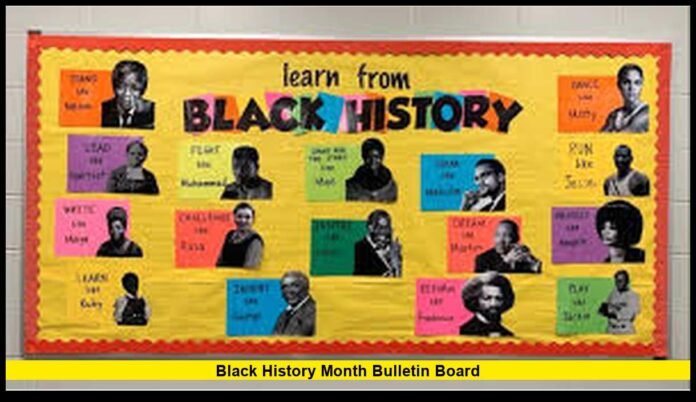

February has arrived with renewed energy across the United States as schools, cities, museums, and community groups commemorate Black History Month—and classrooms everywhere are preparing meaningful black history month bulletin board displays that reflect both history and progress. This year’s observance carries special significance, marking 100 years since the first national recognition of Black history in American education and civic life.
Communities from coast to coast are hosting educational programs, public celebrations, artistic exhibitions, and youth initiatives designed to honor the achievements, resilience, and cultural influence of Black Americans. The 2026 observance reflects a century of organized efforts to ensure that Black history remains an essential part of the American story.
Below is a comprehensive look at how the nation is celebrating this milestone year, along with creative, classroom-ready ideas to help educators and community leaders design impactful displays.
A Century of National Recognition
Black History Month traces its roots back to 1926, when historian Carter G. Woodson established a week dedicated to studying and celebrating the achievements of African Americans. Over time, that week expanded into a month-long national observance recognized every February.
In 2026, communities across the country are acknowledging the 100th anniversary of this movement. Local governments in multiple states have formally proclaimed February as Black History Month, reinforcing a commitment to recognizing Black excellence in leadership, business, science, arts, education, and civic life.
This centennial year serves as both a celebration and a reminder. For educators and students, it offers an opportunity to reflect on how far the nation has come—and how continued learning shapes a more inclusive future.
Community Celebrations Across the United States
Cities nationwide are hosting dynamic programming throughout February 2026. Public libraries have expanded reading initiatives that spotlight Black authors and storytellers. Museums have curated exhibitions highlighting civil rights history, artistic expression, entrepreneurship, and scientific innovation. Parks and recreation departments are organizing free cultural festivals, live performances, and youth engagement programs.
In many regions, local businesses and sports organizations are collaborating with community groups to showcase Black-owned enterprises and creative talent. These partnerships amplify economic empowerment and cultural pride.
Schools are also taking center stage. Districts are hosting assemblies, guest speaker series, and student-led presentations focused on historic milestones and modern achievements. Many educators are integrating interactive projects that encourage students to research influential figures and present their findings in creative ways.
Education at the Heart of the Celebration
Educational institutions remain central to Black History Month observances. Teachers are incorporating primary sources, literature, music, and visual art into lesson plans. Students are exploring pivotal events such as the Civil Rights Movement, Reconstruction, the Harlem Renaissance, and contemporary advocacy efforts.
In 2026, the emphasis on historical literacy feels especially strong. Schools are expanding curriculum discussions to include local Black history, encouraging students to discover stories from their own communities. This localized approach makes learning personal and relevant.
Interactive displays and collaborative classroom projects have become powerful tools. Many schools are designing hallway exhibits that combine historical timelines, biographical spotlights, and student artwork. These displays transform corridors into immersive learning spaces.
Why Bulletin Boards Matter More Than Ever
A thoughtfully designed black history month bulletin board does more than decorate a classroom wall. It acts as a visual teaching tool that sparks curiosity and conversation. It reinforces lessons introduced during class and provides daily reminders of the diverse individuals who have shaped American history.
During this centennial year, bulletin boards can reflect themes of perseverance, innovation, culture, and leadership. When students contribute to these displays, they gain ownership of their learning experience.
Short, engaging text paired with compelling visuals works best. Clear headings, bold lettering, and interactive elements keep students engaged throughout the month.
25 Creative Bulletin Board Ideas for 2026
Here are impactful and factual ideas educators can use this February:
1. 100 Years of Black History
Create a timeline beginning in 1926 and highlight major milestones in each decade.
2. Trailblazers in Government
Feature lawmakers, judges, and public servants who broke barriers in federal, state, and local offices.
3. Innovators in Science and Technology
Showcase inventors, engineers, astronauts, and medical pioneers who changed the world.
4. Black Artists Who Shaped Culture
Display musicians, authors, painters, and filmmakers whose work influenced American culture.
5. Civil Rights Leaders
Highlight activists who organized movements for equality and justice.
6. Black Entrepreneurs
Spotlight founders of successful businesses and startups across industries.
7. Sports Legends
Celebrate athletes who transformed professional and collegiate sports.
8. Military Heroes
Recognize service members who made history in the armed forces.
9. Local History Spotlight
Research and feature Black leaders from your own city or state.
10. Voices of Change
Display powerful quotes alongside brief explanations of their historical context.
11. STEM Leaders Today
Feature modern innovators advancing science and technology.
12. Literary Excellence
Create a mini “library wall” highlighting influential Black authors.
13. Music Through the Decades
Show how genres like jazz, blues, hip-hop, and R&B shaped American music.
14. Young Changemakers
Spotlight youth leaders and student activists making an impact today.
15. Black Women in Leadership
Highlight achievements in politics, business, sports, and academia.
16. Historically Black Colleges and Universities
Provide a visual map and history of these institutions.
17. Cultural Traditions
Showcase traditions, art forms, and celebrations rooted in African American heritage.
18. Timeline of Firsts
Highlight groundbreaking “firsts” across industries and professions.
19. Civil Rights Legislation
Summarize key laws that shaped equality and voting rights.
20. Interactive Question Wall
Invite students to answer prompts about what they learned.
21. Black Authors Book Covers
Display covers and short summaries of influential works.
22. Community Heroes
Recognize educators, mentors, and volunteers in your school district.
23. Artistic Expression Wall
Allow students to contribute drawings, poetry, or essays.
24. Modern Media Influencers
Feature journalists, creators, and public voices shaping today’s conversations.
25. Looking Ahead
Encourage students to write about the future of Black leadership and innovation.
Making Displays Interactive
In 2026, educators are embracing technology to enhance engagement. Many classrooms are adding QR codes that link to digital biographies or recorded student presentations. Others incorporate rotating features, where a new individual or theme appears each week.
Interactive boards allow students to submit questions, reflections, or additional facts. This format transforms a static board into a living project that evolves throughout February.
Connecting History to the Present
This centennial year emphasizes continuity. Black history is not confined to the past. It continues through entrepreneurship, scholarship, artistic creation, and public service.
Across the United States, February events highlight contemporary leaders who stand on the shoulders of earlier generations. From community organizers to business founders, today’s changemakers reflect a legacy built over decades.
When classrooms connect historical achievements to present-day accomplishments, students see how progress unfolds across time.
National Impact Beyond February
Although February serves as the focal point, many institutions emphasize year-round education. Libraries and museums are extending exhibitions into spring. Schools are building expanded curricula that integrate Black history into broader lessons rather than isolating it to one month.
The 100-year milestone reinforces that Black history remains a central pillar of American identity. Communities nationwide are using this anniversary to strengthen educational commitments and celebrate shared heritage.
Bringing It All Together
As February unfolds, communities across the country continue to host performances, lectures, workshops, and public ceremonies honoring Black history. Classrooms are filled with creative displays that encourage students to explore powerful stories of leadership, resilience, and achievement.
A thoughtfully designed black history month bulletin board can serve as a gateway to deeper learning. Whether featuring historical pioneers, cultural icons, or local heroes, these displays help ensure that Black history remains visible, valued, and celebrated.
Share your classroom ideas or community celebrations in the comments and let others know how you’re honoring this historic milestone.