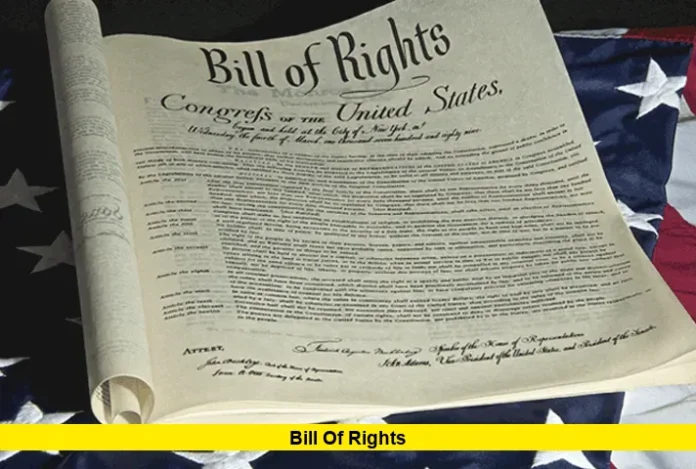

The bill of rights stands at the heart of American democracy, and each year on December 15, the nation marks the anniversary of its ratification as a defining moment in U.S. history. On this date in 1791, the first ten amendments to the Constitution officially became law, establishing enduring protections for individual liberty that continue to shape civic life across the United States today.
More than two centuries later, this anniversary remains deeply relevant. In 2025, Americans across schools, courts, and communities are once again reflecting on why these amendments were created, how they came into force, and why they continue to influence daily life, legal decisions, and public debate.
The Origins of America’s First Constitutional Safeguards
When the U.S. Constitution was drafted in 1787, its primary goal was to create a workable national government strong enough to unify the states after years of instability under the Articles of Confederation. While the document carefully defined the powers of Congress, the presidency, and the judiciary, it notably lacked a clear list of protections for individual freedoms. This absence immediately alarmed many Americans who feared that a powerful central authority could eventually resemble the tyranny they had fought to escape.
Opposition voices, often referred to as Anti-Federalists, argued that liberty could not be preserved without explicit guarantees. They warned that without written limits, the federal government might restrict speech, interfere with religious practice, or deny citizens fair treatment under the law. These concerns were widely debated in public forums, pamphlets, and state ratifying conventions, where calls for stronger protections grew louder.
To overcome this resistance, supporters of the Constitution offered a critical compromise. They pledged that once the Constitution was ratified, amendments would be added to clearly define and protect essential rights. This assurance proved decisive in persuading skeptical states to approve the new system of government. It transformed opposition into conditional support and helped unify a divided nation.
The outcome of this compromise was the creation of amendments that directly addressed fears of government overreach. These protections established clear boundaries between citizens and the state, ensuring freedoms that remain central to American life. Together, they formed the foundation for modern civil liberties in the United States and set a lasting precedent that individual rights must be written, protected, and enforced by law.
Why December 15 Became a Turning Point
December 15, 1791, stands as a defining date in American constitutional history. On that day, the proposed amendments reached the required level of state approval to become part of the Constitution, giving them full legal authority. Virginia’s decision to ratify the amendments proved decisive, supplying the final confirmation needed to secure nationwide adoption.
This development fundamentally reshaped the Constitution. What had begun as a framework for governing a new nation was strengthened into a document that clearly protected individual liberty. The addition of explicit guarantees for freedom of speech, religious practice, fair legal procedures, and personal security established firm limits on government power and reinforced the principle that authority must be accountable to the people.
The significance of this moment continues to resonate. By embedding individual rights directly into the Constitution, the nation affirmed that liberty and governance must coexist. That careful balance between public authority and personal freedom remains a cornerstone of American democracy and continues to guide civic life today.
What the Bill of Rights Protects
The bill of rights is made up of ten amendments that clearly define the fundamental freedoms and legal protections guaranteed to the American people. Each amendment addresses a specific concern about individual liberty, and together they create a broad shield against the misuse of governmental power.
These protections include the freedom to speak openly, practice religion without interference, publish information, and gather peacefully. They also place firm limits on how the government may investigate, arrest, and prosecute individuals. Citizens are protected from unreasonable searches, compelled self-incrimination, and unfair trials, while safeguards against excessive fines and cruel or unusual punishment reinforce the principle of justice.
In addition, the amendments recognize that not all rights are listed and that powers not granted to the federal government belong to the states or the people themselves. This structure preserves a balance between national authority and personal freedom.
Far from being symbolic, these protections function as enforceable legal standards. Courts rely on them daily to interpret laws, resolve disputes, and uphold constitutional limits, ensuring that individual rights remain active and meaningful in everyday American life.
How These Rights Shape Everyday Life
Constitutional protections influence daily life in ways many Americans rarely stop to consider. From ordinary conversations to major public debates, the rights guaranteed by the Bill of Rights quietly shape how people live, communicate, and interact with government institutions.
Americans speak openly about political and social issues, practice their faith without government interference, and gather peacefully to support causes they believe in. Journalists investigate and report on matters of public interest, helping citizens stay informed and hold leaders accountable. These activities are possible because freedom of expression and belief are firmly protected by law.
The impact is equally significant in the justice system. Individuals accused of crimes depend on constitutional safeguards that guarantee fair treatment. The right to legal counsel, protection against self-incrimination, and the expectation of a fair and impartial trial help ensure that justice is administered according to law rather than abuse of power. Protections against unreasonable searches preserve personal privacy and limit government intrusion.
These freedoms do not exist by chance. They endure because they were written into the Constitution and are continually enforced by courts and public institutions. Their presence in everyday life reflects the enduring strength of constitutional principles and the ongoing commitment to protect individual liberty.
Bill of Rights Day in Modern America
December 15 is observed each year across the United States as Bill of Rights Day, marking the anniversary of the moment these foundational freedoms became part of the Constitution. In 2025, the observance continues to emphasize learning, reflection, and civic understanding rather than celebration alone.
Schools often use the day to deepen students’ knowledge of constitutional rights, encouraging discussion about how these freedoms apply to modern society. Lessons may focus on real-world examples, helping students connect historical principles to current events and everyday experiences. This approach reinforces the relevance of constitutional protections beyond the classroom.
Courts and legal institutions also recognize the occasion by highlighting significant cases that illustrate how constitutional rights are applied and defended. Civic organizations and community groups frequently host public conversations that explore the ongoing role of these freedoms in a changing nation.
Together, these efforts underline a shared message: understanding constitutional rights is essential to informed participation in democracy. Bill of Rights Day serves as an annual reminder that these freedoms remain meaningful only when citizens are aware of them and actively engaged in preserving them.
The Role of the Courts
Although the language of the Bill of Rights has remained unchanged since the late 18th century, its meaning has been continually clarified through judicial interpretation. Courts serve as the primary guardians of these constitutional protections, applying enduring principles to circumstances the nation’s founders could not have anticipated.
Judges regularly interpret the amendments when resolving disputes involving personal privacy, freedom of expression, religious liberty, and criminal justice. As society evolves and new technologies emerge, courts determine how longstanding rights apply to modern realities, ensuring that constitutional protections keep pace with change.
This judicial process allows the Constitution to remain both stable and responsive. By honoring the original intent of the amendments while addressing contemporary issues, courts prevent these rights from becoming outdated or symbolic. Instead, they remain practical, enforceable guarantees that continue to shape American law and protect individual liberty.
Why the Bill of Rights Still Matters Today
In 2025, conversations about individual freedom, government authority, and civil liberties remain central to public life in the United States. The Bill of Rights continues to serve as a steady reference point in these debates, providing clear principles that help guide laws, court decisions, and public policy.
These amendments affirm that fundamental rights do not depend on popular opinion or shifting political priorities. They exist to protect every individual, including those whose views may be unpopular, and to guard against the concentration of unchecked power. By setting firm limits on government authority, the Bill of Rights helps preserve fairness and accountability within the democratic system.
At a time when trust in institutions and democratic norms is often tested, the enduring relevance of these protections stands out. The continued reliance on the Bill of Rights reflects its lasting value as a safeguard of liberty and a cornerstone of American democracy.
A Foundation for Democratic Responsibility
The Bill of Rights does more than safeguard individual freedoms; it also reflects an expectation of civic responsibility. Rights are most effective when citizens understand their meaning, exercise them thoughtfully, and respect the same protections for others.
This balance between personal liberty and accountability has helped sustain the American system through periods of conflict, expansion, and social change. Freedom of expression, due process, and religious liberty thrive when paired with a shared commitment to fairness and mutual respect.
Each generation inherits these constitutional protections along with the responsibility to preserve them. By staying informed and engaged, citizens play an active role in ensuring that these rights remain strong, relevant, and accessible for the future.
An Enduring American Legacy
The ratification of the bill of rights on December 15, 1791, marked a defining chapter in U.S. history. It strengthened the Constitution, unified diverse viewpoints, and established a legal framework that continues to influence every aspect of American life.
More than two centuries later, this legacy remains alive in courtrooms, classrooms, and public discourse. The freedoms secured by these amendments continue to shape how Americans live, speak, and participate in democracy.
How do these constitutional freedoms shape your life today? Share your perspective and stay connected to the principles that continue to define the nation.