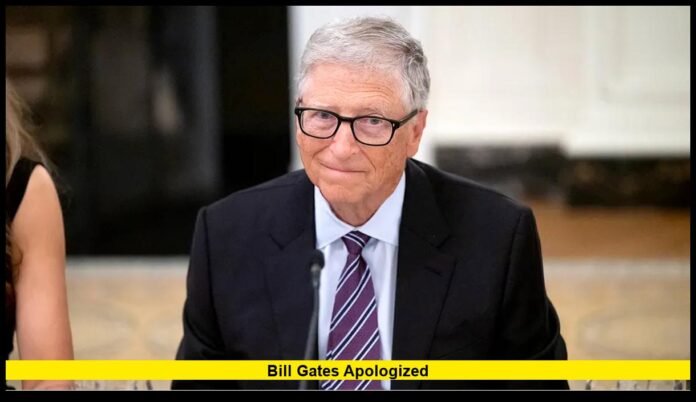

Bill Gates Apologized for past decisions that drew public criticism, and his statements continue to influence conversations about leadership accountability across the United States. Over the past few years, Gates has openly expressed regret about specific associations and personal conduct issues that affected his reputation, philanthropic work, and public image.
The discussion remains relevant in 2026 because the actions he addressed still shape how influential leaders are evaluated.
Understanding Why Bill Gates Apologized
Bill Gates acknowledged mistakes tied to relationships and leadership decisions that generated scrutiny. The most widely discussed apology centers on his past interactions with Jeffrey Epstein after Epstein’s criminal conviction.
Gates said meeting Epstein was a significant error in judgment. He admitted the association damaged trust and created reputational consequences for himself and his philanthropic initiatives.
Key factors behind his apology include:
- Continued meetings after Epstein’s conviction
- Concerns about judgment from a global philanthropic leader
- Reputational impact on major charitable work
- Public expectations for transparency among tech executives
His comments focused on responsibility rather than justification.
How the Controversy Became a Major Public Issue
The story gained national attention when details about the meetings surfaced publicly. Critics questioned why a prominent technology leader maintained contact with a controversial figure.
The reaction across the United States highlighted broader concerns about decision-making among influential leaders.
Public discussion focused on:
- Ethical standards for high-profile philanthropists
- The importance of reputation in nonprofit partnerships
- Leadership credibility in the technology sector
Gates later emphasized that maintaining the connection was a mistake, reinforcing the narrative that Bill Gates Apologized for poor judgment.
Effects on His Personal Life
The issue extended beyond professional reputation and entered public discussion about Gates’ personal life. Increased scrutiny followed his divorce announcement in 2021, which brought renewed attention to earlier decisions.
Gates acknowledged that some of his actions caused personal pain and regret. He described the situation as one of the most significant mistakes of his life.
Confirmed consequences included:
- Heightened media attention on private conduct
- Broader public evaluation of leadership character
- Ongoing discussion about accountability among wealthy executives
- Pressure on philanthropic leadership structures
These developments kept the topic visible years after the initial reporting.
Leadership Conduct and Workplace Culture
Another context in which Bill Gates Apologized involves leadership behavior during his time at Microsoft. Reports about workplace relationships raised questions about boundaries between executives and employees.
Gates later recognized that leadership positions carry added responsibility. He expressed regret for situations where his actions created discomfort or concern.
Important themes from this acknowledgment:
- Awareness of power imbalance in executive roles
- Recognition that workplace culture expectations evolved
- Emphasis on reflection and personal growth
- Increased scrutiny of tech industry leadership behavior
This discussion contributed to wider conversations about corporate governance.
Communication Strategy Behind the Apologies
Gates addressed criticism gradually rather than through a single formal statement. His responses appeared across interviews, public conversations, and speaking engagements.
His communication approach generally included:
- Accepting responsibility for mistakes
- Avoiding defensive language
- Highlighting lessons learned
- Shifting focus toward future impact
This strategy helped shape how audiences interpreted his response.
Why the Story Still Matters in 2026
The phrase Bill Gates Apologized remains relevant because it connects to ongoing debates about influence, accountability, and transparency in the United States.
Several factors sustain interest:
- Increased scrutiny of billionaire decision-making
- Greater expectations for ethical leadership
- Continued attention on philanthropy governance
- Public interest in reputation recovery after controversy
Leadership accountability remains a defining theme in modern tech culture.
Impact on Philanthropy and Public Image
Gates continues to play a major role in global philanthropy, but public perception now includes discussion of past mistakes alongside his charitable influence.
Visible shifts in public image include:
- Stronger emphasis on transparency in partnerships
- Broader leadership visibility beyond a single figure
- Ongoing questions about decision-making standards
- Reputation management becoming part of public messaging
These changes show how apologies can influence long-term brand perception.
Public Opinion and Reputation Evolution
Public opinion about Gates has evolved over time. Earlier narratives focused primarily on innovation and Microsoft’s growth. Later coverage introduced discussions about personal judgment and leadership responsibility.
This shift illustrates how public figures are evaluated more broadly today.
Some audiences view his statements as meaningful accountability. Others see them as responses to pressure. The coexistence of these perspectives keeps the story relevant.
Timeline of Key Developments
Major milestones linked to the apology narrative:
- 2010s — Meetings that later generated scrutiny
- Late 2010s — Public attention increased
- 2021 — Divorce announcement intensified discussion
- 2021–2023 — Gates publicly expressed regret in interviews
- 2024–2026 — Continued references in leadership and ethics conversations
The timeline explains the persistence of the topic in media coverage.
What Gates Has Emphasized Since the Apologies
Gates consistently highlights reflection and responsibility when discussing past criticism. His comments focus on moving forward rather than revisiting details.
Core messages he has repeated:
- Acknowledgment of mistakes
- Recognition that reputation damage was self-inflicted
- Commitment to future philanthropic impact
- Emphasis on learning from experience
He has not disputed the central criticism behind his apology.
Broader Lessons for U.S. Leadership
The story connected to Bill Gates Apologized reflects broader expectations placed on influential leaders in the United States.
Key takeaways include:
- Transparency now shapes public trust
- Personal decisions affect institutional credibility
- Crisis communication influences reputation recovery
- Accountability discussions extend beyond individual industries
Leadership case studies frequently reference this situation when examining public apologies.
Conclusion
The phrase Bill Gates Apologized captures a series of public acknowledgments related to past associations and leadership conduct concerns. His statements about judgment, responsibility, and personal reflection continue to influence how powerful figures are evaluated.
The topic remains relevant because it highlights the intersection of reputation, influence, and accountability in modern leadership.
How do you view public apologies from major leaders? Share your perspective and join the conversation as this story continues to develop.