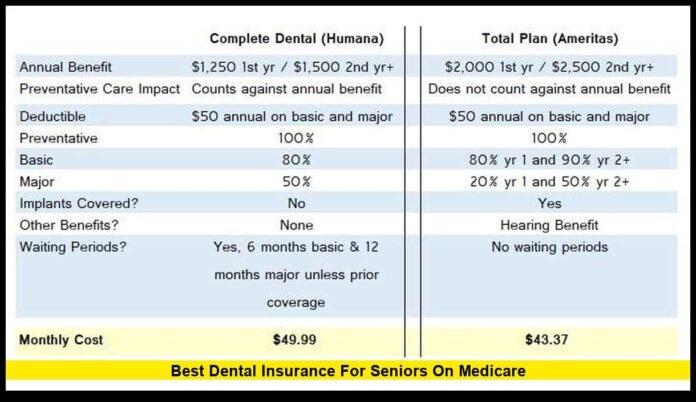

Many older adults discover that while Medicare helps cover a wide range of medical expenses, routine dental care is usually not included. As a result, finding the best dental insurance for seniors on Medicare has become an important part of planning for healthcare costs during retirement.
Whether you need regular cleanings, dentures, crowns, or more advanced dental procedures, the right insurance plan can help reduce out-of-pocket expenses while making preventive care more affordable.
Does Medicare Include Dental Coverage?
Original Medicare, which includes Part A and Part B, generally does not pay for routine dental services. This means beneficiaries are typically responsible for paying the full cost of services such as:
- Dental examinations
- Teeth cleanings
- Fillings
- Crowns
- Bridges
- Dentures
- Dental implants
- Routine tooth extractions
Only in limited situations, when dental treatment is medically necessary as part of another covered medical procedure, may Medicare provide coverage.
Why Dental Insurance Matters for Seniors
Maintaining good oral health becomes increasingly important with age. Untreated dental problems can lead to pain, difficulty eating, infections, and expensive treatments.
A quality dental insurance plan can help seniors:
- Receive preventive care on a regular basis
- Lower the cost of major dental work
- Protect against unexpected dental bills
- Maintain healthy teeth and gums
- Improve overall quality of life
Best Dental Coverage Options for Medicare Beneficiaries
Standalone Dental Insurance Plans
These policies are purchased separately from Medicare and focus entirely on dental care.
Coverage commonly includes:
- Preventive services
- Basic restorative procedures
- Major dental treatments
- Dentures
- Oral surgery
Each insurer offers different benefit levels, waiting periods, and annual coverage limits.
Medicare Advantage Plans
Many Medicare Advantage plans include dental benefits along with medical coverage.
Depending on the plan, benefits may include:
- Routine exams
- Professional cleanings
- X-rays
- Fillings
- Crowns
- Dentures
- Limited implant benefits
Coverage differs depending on the insurer and plan selected.
Dental Savings Plans
Dental savings plans are membership programs rather than insurance policies.
Members receive discounted pricing from participating dentists after paying an annual or monthly membership fee.
These plans can be a practical choice for seniors seeking immediate savings without lengthy waiting periods.
How to Choose the Best Dental Insurance for Seniors on Medicare
Before selecting a plan, compare several important features.
Affordable Monthly Premiums
Choose a premium that fits your budget while providing adequate coverage for your expected dental needs.
Annual Benefit Limits
Many dental insurance plans limit the total amount they will pay each year. Higher annual limits are generally more beneficial for individuals expecting extensive dental work.
Waiting Periods
Some plans require waiting several months before covering major procedures such as crowns, dentures, bridges, or implants.
Covered Services
Review exactly which services are covered and what percentage of the treatment cost the insurer pays.
Dentist Network
If you already have a trusted dentist, verify that they participate in the plan’s provider network before enrolling.
Leading Dental Insurance Companies for Seniors
Several national insurers offer dental plans designed for Medicare beneficiaries, including:
- Delta Dental
- Humana
- UnitedHealthcare
- Cigna Healthcare
- Aetna
- Mutual of Omaha
- Spirit Dental
Available plans and pricing depend on your location and the specific policy selected.
Estimated Dental Costs Without Insurance
Dental care can become expensive without coverage.
| Procedure | Typical Cost |
|---|---|
| Dental Exam | $75–$200 |
| Teeth Cleaning | $100–$250 |
| Filling | $150–$450 |
| Crown | $900–$2,000 |
| Root Canal | $700–$1,800 |
| Dentures | $1,000–$3,500+ |
| Dental Implant | $3,000–$6,000 per tooth |
Insurance can help lower these costs depending on the plan’s benefits and annual limits.
Does Dental Insurance Cover Dentures and Implants?
Many dental insurance plans provide at least partial coverage for dentures after applicable waiting periods.
Implant coverage is less common. Some policies exclude implants completely, while others pay a portion of the treatment cost or include limited coverage under certain Medicare Advantage plans.
If you expect to need implants, carefully review the policy details before enrolling.
Ways Seniors Can Save on Dental Care
Even with insurance, there are several ways to reduce dental expenses.
- Schedule preventive checkups every six months.
- Visit dentists within your insurance network.
- Request treatment estimates before major procedures.
- Compare different dental plans annually.
- Practice good oral hygiene to avoid costly dental problems.
Who Should Consider Dental Insurance?
Dental insurance may be a worthwhile investment for seniors who:
- Visit the dentist regularly.
- Need crowns, bridges, or dentures.
- Expect future restorative dental work.
- Want predictable healthcare expenses.
- Prefer access to preventive dental services throughout the year.
Final Thoughts
The best dental insurance for seniors on Medicare depends on your individual healthcare needs, preferred dentist, and monthly budget. Comparing coverage, annual benefit limits, waiting periods, and provider networks before enrolling can help you choose a plan that offers the greatest value. Investing in the right dental coverage today may help protect both your oral health and your finances in the years ahead.
Key Points Summary
╔════════════════════════════════════════════════════════════════════╗
║ – Original Medicare generally does not cover routine dental services. ║
║ – Standalone dental insurance and Medicare Advantage plans are the most common options. ║
║ – Compare premiums, annual benefit limits, waiting periods, and provider networks carefully. ║
║ – Some plans cover dentures and major dental work, while implant coverage varies. ║
║ – Preventive dental care can help reduce long-term treatment costs and support overall health. ║
╚════════════════════════════════════════════════════════════════════╝
FAQs
Q: What is the best dental insurance for seniors on Medicare?
A: The best plan depends on your budget, dental care needs, preferred dentist, and the coverage available in your area.
Q: Does Original Medicare cover dental cleanings?
A: No. Routine cleanings and most preventive dental services are generally not covered by Original Medicare.
Q: Are dentures covered by dental insurance?
A: Many dental insurance plans provide partial coverage for dentures, although waiting periods and annual benefit limits may apply.
Q: Can Medicare Advantage plans include dental benefits?
A: Yes. Many Medicare Advantage plans offer preventive and restorative dental coverage as part of their benefits.
Q: Do dental insurance plans cover implants?
A: Some plans offer partial implant coverage, while others exclude implants. Benefits vary by policy.
Q: What should seniors compare before enrolling?
A: Compare premiums, covered services, waiting periods, annual maximum benefits, and participating dentists.
Q: Is dental insurance worth it for retirees?
A: For many retirees, dental insurance can help reduce the cost of routine care and expensive dental procedures, making it a valuable investment.
Q: Can I purchase dental insurance separately from Medicare?
A: Yes. Standalone dental insurance policies are available and can be used alongside Original Medicare.
Have questions about choosing the right dental plan? Share your thoughts in the comments and visit again for more Medicare and senior health updates.