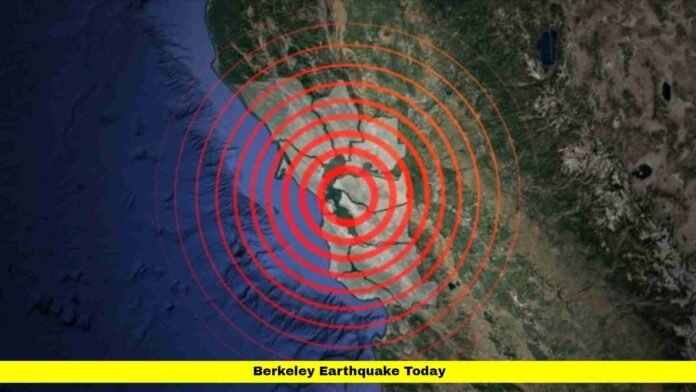

A magnitude 3.1 earthquake shook Berkeley, California, on Thursday morning, October 16, 2025, at around 9:23 a.m. The epicenter was located about 1.2 miles east of the University of California, Berkeley campus, in the hills above the city. Residents across the East Bay, including North Berkeley and Oakland, felt the tremor, prompting immediate attention from local authorities.
Details of the Earthquake
The earthquake occurred at a depth of approximately 9.4 kilometers, making it relatively shallow and easily felt across the region. Despite its intensity, the tremor did not cause any injuries or major damage to buildings and infrastructure. Residents reported feeling brief shaking in homes and offices, with minor rattling of furniture. The quick response by local emergency services ensured that the area was checked for safety shortly after the tremor.
Impact on Local Infrastructure
Several public services were temporarily affected by the earthquake. Bay Area Rapid Transit (BART) officials halted Yellow Line service in West Oakland for a few minutes to inspect the tracks and confirm safety. Local roads and bridges were monitored for potential structural issues, but no immediate damage was detected. Schools and businesses in the vicinity reported normal operations shortly after the event, showing the resilience of the East Bay’s infrastructure in the face of minor seismic activity.
Connection to Earthquake Drills
Interestingly, the earthquake occurred less than an hour before the annual Great California ShakeOut drill, which was scheduled for 10:16 a.m. This coincidence highlighted the importance of earthquake preparedness in the region. Residents who participated in the drill were reminded in real time of the steps to take during a seismic event, including dropping, covering, and holding on until the shaking stops. Many community organizations have emphasized the value of practicing earthquake drills regularly to reduce panic and ensure safety during stronger earthquakes.
Seismic Preparedness in Berkeley
Berkeley lies near the Hayward Fault, a well-known fault line prone to earthquakes. The city has implemented comprehensive preparedness measures to protect residents. Older buildings have been retrofitted, and modern construction follows strict seismic safety guidelines. The local government promotes awareness campaigns and encourages families to maintain emergency kits, secure heavy objects, and establish communication plans in case of a significant earthquake. Community workshops also provide guidance on how to respond immediately when shaking occurs.
Recent Earthquake Activity in the Region
The East Bay has experienced a series of minor to moderate earthquakes over the past year. In September 2025, a 4.3 magnitude earthquake struck near the Hayward Fault, followed by smaller aftershocks. Such activity has heightened local awareness and preparedness, prompting residents to remain vigilant and informed about potential future tremors. The 3.1 magnitude earthquake in Berkeley adds to this pattern of minor seismic events in the area.
What Residents Can Do
Residents are advised to continue practicing earthquake preparedness measures. This includes having emergency kits with food, water, and medical supplies, as well as securing furniture and heavy objects to prevent injuries during shaking. Families are encouraged to develop communication plans and designate safe locations for shelter during a quake. Staying informed through local news, city alerts, and seismic monitoring apps can provide valuable real-time information in the event of stronger tremors.
Conclusion
While the Berkeley earthquake on October 16, 2025, was mild and caused no significant damage, it serves as a reminder of the region’s vulnerability to seismic events. Its timing just before the Great California ShakeOut drill highlighted the importance of preparation and awareness. Residents are urged to participate in drills, maintain emergency plans, and stay informed about earthquake risks to ensure safety during future events.