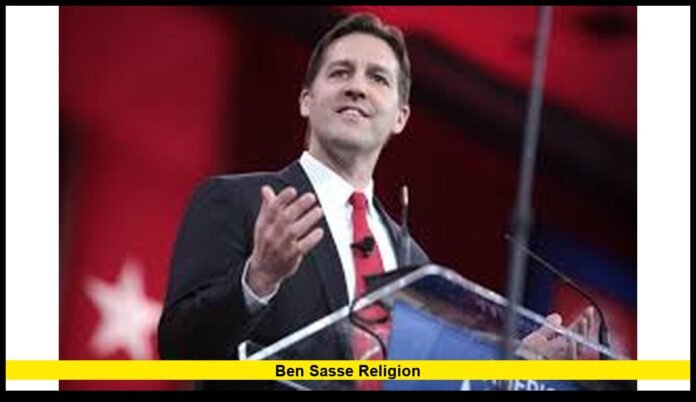

Ben Sasse religion continues to shape how the former U.S. senator, academic leader, and author is understood across American public life. His identity as an evangelical Christian has remained consistent through his time in government, his leadership in higher education, and his ongoing work in cultural commentary.
In recent years, discussion surrounding his faith has focused less on electoral politics and more on how his beliefs influence his views on education, civic culture, family life, and institutional leadership. As of 2026, his religious identity remains one of the most recognized elements of his public profile.
Background and Public Profile
Ben Sasse built a career that spans public policy, academia, and national commentary. Before entering the U.S. Senate, he served in federal government roles and higher education leadership positions. His career path placed him at the intersection of politics, education, and cultural debate.
Key biographical details:
- Born: February 22, 1972
- Profession: Academic administrator, author, former U.S. senator
- Senate service: Nebraska, 2015–2023
- Higher education leadership: University presidency from 2023 to 2024
- Education: Harvard University, St. John’s College, Yale University
Throughout these roles, his religious beliefs were often visible through his language about values, responsibility, and community life.
Ben Sasse Religion: Personal Faith Foundation
Ben Sasse identifies as an evangelical Protestant Christian. He has consistently described his faith as central to his understanding of personal responsibility, citizenship, and leadership.
His public reflections on faith often emphasize:
- The importance of humility
- Moral formation beginning in childhood
- The role of families in shaping character
- Community institutions as stabilizing forces
- The value of service and civic responsibility
Rather than presenting religion as a political strategy, Sasse frames it as a personal framework that guides decision-making and long-term priorities.
Religious Upbringing and Influences
Sasse grew up in a Christian household where church participation and religious teaching were part of daily life. That early exposure influenced how he later spoke about parenting, education, and community responsibility.
Key influences frequently reflected in his commentary include:
- Traditional Protestant church life
- Emphasis on scripture and moral teaching
- Community-centered religious practice
- Focus on family structure and discipline
- Respect for intellectual inquiry within faith
His writing and speeches often reflect the belief that faith and intellectual curiosity should work together rather than compete.
Denominational Context
While Ben Sasse is widely described as evangelical, his public identity does not center on a specific denominational label. Instead, his approach reflects mainstream evangelical Protestant traditions common across the United States.
Characteristics associated with his faith orientation include:
- Scriptural authority
- Personal conversion experience emphasis
- Community engagement through church life
- Interest in moral education
- Advocacy for religious freedom
His messaging tends to avoid detailed theological debate. Instead, it focuses on how faith shapes everyday life and civic participation.
Faith During His Senate Career
Religion appeared frequently in Sasse’s public messaging while serving in the U.S. Senate. He often connected policy conversations with broader discussions about culture, responsibility, and social stability.
Areas where faith influenced his messaging included:
- Religious liberty protections
- Education reform discussions
- Family policy conversations
- Civic engagement themes
- Concerns about cultural fragmentation
He regularly argued that strong local institutions — including families, schools, and religious communities — form the foundation of democratic society.
His speeches emphasized character development as a national priority rather than solely an individual matter.
Tone and Style of Religious Expression
One distinctive feature of Sasse’s public approach is tone. His discussion of Christianity typically centers on reflection, cultural analysis, and moral questions instead of doctrinal instruction.
Common themes include:
- Curiosity as a moral virtue
- Parenting as a long-term responsibility
- The dangers of social isolation
- The need for meaningful work and community
- Intellectual humility in public life
This approach helped position his faith as part of a broader conversation about American culture rather than a narrowly political identity.
Role of Faith in His Books and Writing
Ben Sasse’s books explore technology, culture, education, and generational change. Religious ideas appear through themes of meaning, responsibility, and community.
Key recurring ideas connected to his faith perspective:
- Childhood development as moral formation
- Education as preparation for citizenship
- Families as the primary training ground for character
- Technology reshaping identity and attention
- Community institutions providing belonging
His writing often blends academic analysis with personal reflection, showing how faith informs his understanding of modern challenges.
Ben Sasse Religion and Higher Education Leadership
Sasse’s presidency at the University of Florida from 2023 to 2024 brought renewed attention to his religious identity. His transition from elected office to academic leadership prompted debate about values, institutional neutrality, and campus culture.
During this period, conversations around his faith focused on:
- Academic freedom
- Free speech protections
- Intellectual diversity
- Role of civic education in universities
- Leadership style shaped by personal values
He emphasized that universities should expose students to competing viewpoints while encouraging civil debate.
His messaging stressed that leadership rooted in values does not require imposing religious doctrine on academic institutions.
Resignation and Continued Public Influence
Sasse stepped down from his university leadership role in 2024, shifting attention toward his ongoing writing, speaking, and cultural commentary. Since then, discussions of his faith have centered more on intellectual influence than institutional authority.
Recent developments shaping public discussion include:
- Continued speaking engagements
- Ongoing commentary on education and parenting
- Participation in civic and cultural debates
- Public reflections on technology and childhood
His identity as an evangelical Christian remains unchanged, and faith continues to appear in his analysis of American culture.
Religious Liberty as a Consistent Theme
Religious liberty has been one of the most consistent policy and cultural themes associated with Sasse. He frequently argues that protecting religious practice is essential to pluralism.
Key ideas in his public messaging:
- First Amendment protections for faith communities
- Balance between religious expression and civil rights law
- Importance of institutional diversity
- Respect for differing belief systems
- Role of faith-based organizations in social services
He often frames religious freedom as a foundational American principle that supports diverse viewpoints.
Faith, Family, and Parenting
Family life is one of the most visible areas where Sasse connects faith with public commentary. He frequently discusses parenting as central to social stability.
Recurring points include:
- Parents as primary educators
- Childhood independence as essential development
- Technology’s impact on attention and relationships
- Intergenerational relationships strengthening communities
- Family routines shaping character
His faith perspective appears in his emphasis on responsibility, discipline, and long-term thinking about childhood.
Cultural Analysis Shaped by Faith
Sasse’s commentary often examines broader cultural trends through a moral and civic lens influenced by his religious worldview.
Topics he frequently addresses:
- Loneliness and community decline
- Digital culture and identity formation
- Institutional trust
- Work, purpose, and meaning
- Civic participation
Rather than focusing only on policy solutions, he often highlights cultural habits and social structures as key drivers of change.
Public Reaction Across Different Audiences
Public response to Ben Sasse religion varies depending on political, academic, and cultural perspectives.
Supporters often view his faith as:
- Evidence of principled leadership
- A framework for civic responsibility
- A source of consistency in public messaging
- A foundation for his focus on family and education
Critics sometimes question:
- The role of personal faith in public leadership
- How values influence institutional decision-making
- Broader debates about religion and higher education
These differing perspectives reflect ongoing national conversations about faith in public life.
Comparison With Other Faith-Oriented Public Figures
Sasse is part of a broader tradition of American leaders who openly discuss religion. His approach stands out because it emphasizes cultural analysis and education rather than campaign-focused religious messaging.
Distinctive features of his approach:
- Academic framing of cultural issues
- Strong focus on parenting and childhood
- Emphasis on curiosity and intellectual development
- Interest in long-term institutional health
- Less focus on theological detail
This positioning places him closer to public intellectual commentary than traditional political religious messaging.
Ben Sasse Religion and Education Debates
Education remains one of the most important areas where his faith perspective appears. He frequently connects schooling with moral development and civic preparation.
Key education-related themes:
- Liberal arts education as character formation
- Importance of reading and intellectual exploration
- Debate and disagreement as learning tools
- Schools as community institutions
- Preparing students for citizenship
His messaging suggests that education should develop judgment, resilience, and curiosity — qualities he often connects with moral formation.
Faith and Civic Responsibility
Sasse regularly links religious belief with civic duty. He argues that democratic societies rely on citizens who practice responsibility beyond politics.
Common ideas include:
- Local engagement over national outrage
- Volunteering and community participation
- Strong neighborhoods supporting social stability
- Moral habits sustaining democratic norms
- Citizenship as daily practice
This perspective reflects a long-standing theme in American political thought where faith communities contribute to civic life.
How His Faith Shapes Leadership Style
Observers frequently note that Sasse’s leadership style reflects values associated with his religious identity.
Characteristics often highlighted:
- Emphasis on listening and dialogue
- Focus on long-term institutional health
- Attention to character development
- Interest in intellectual diversity
- Preference for cultural analysis over partisan rhetoric
His messaging suggests leadership should cultivate environments where people encounter ideas, responsibility, and community.
Current Status (2026)
As of 2026, Ben Sasse is no longer in elected office or university leadership, but he remains active as a writer, speaker, and commentator. Discussion of his faith now centers on intellectual influence rather than policy authority.
Current realities include:
- Continued public speaking on education and culture
- Ongoing writing focused on family and technology
- Participation in national conversations about institutions
- Recognition of his evangelical Christian identity as stable and consistent
His religious identity remains a central lens through which audiences interpret his ideas.
Why Interest in Ben Sasse Religion Persists
Public interest continues because his faith intersects with multiple major national conversations:
- Role of religion in politics
- Education reform debates
- Cultural discussions about childhood and technology
- Institutional trust and leadership
- Religious liberty policy
His willingness to discuss values directly keeps attention on how personal belief shapes public leadership.
Broader Context: Religion in American Public Life
The discussion surrounding Sasse reflects a wider American pattern where voters, educators, and commentators evaluate how leaders’ beliefs influence priorities.
Key national themes connected to this conversation:
- Pluralism and coexistence of belief systems
- Boundaries between personal faith and public policy
- Role of institutions in moral development
- Changing patterns of religious participation
- Cultural debates about meaning and community
Sasse’s commentary frequently engages these questions through the lens of education and family life.
Key Takeaways
Ben Sasse religion remains a defining element of his public identity. His evangelical Christian faith influences his writing, cultural analysis, and leadership philosophy.
Important points:
- He identifies as an evangelical Protestant Christian
- Faith has shaped his messaging on family, education, and civic life
- Religious liberty remains a consistent theme
- His university leadership increased attention to his beliefs
- Current influence centers on cultural and educational commentary
Understanding his religious background helps explain his long-standing focus on character, institutions, and community life.
The Continuing Conversation About Faith and Leadership
Religion continues to shape how Americans interpret public figures. Ben Sasse represents an approach where faith informs worldview, tone, and priorities without dominating policy messaging.
His commentary suggests that strong communities, responsible families, and meaningful education are central to civic stability. These ideas remain closely connected to his religious perspective.
As public debates about education, culture, and institutional trust continue, his faith will likely remain part of how audiences understand his contributions.
How do you think personal belief should influence leadership in education and public life? Share your thoughts and stay updated as this conversation evolves.