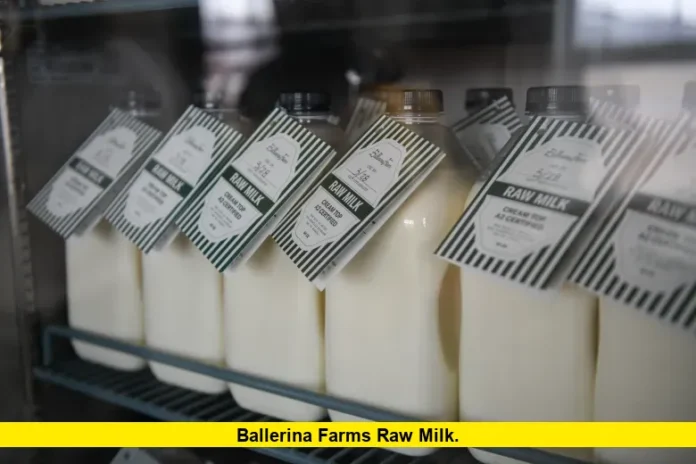

Ballerina Farms raw milk has made headlines across the United States this week as the influencer-owned dairy brand paused the sale of its unpasteurized milk following multiple safety test issues, while Utah lawmakers consider changes to raw milk regulation that could reshape how such products are sold statewide. The developments are reigniting a national conversation on raw milk safety and state oversight in the dairy industry.
In early 2026, Ballerina Farm, the popular Utah dairy business run by Hannah and Daniel Neeleman, temporarily stopped offering raw milk at its farm stand and retail locations after bacteria levels in recent milk samples triggered health concerns. The decision has drawn wide attention not only because of the brand’s massive social media following but also due to the intersecting debates at Utah’s State Legislature over whether to ease rules for raw milk producers.
If you want to understand why this matters, keep reading for a complete update on the latest actions affecting raw milk, dairy safety standards, and legislative proposals impacting producers in the U.S. dairy sector.
Join the conversation below and share your thoughts on raw milk safety.
What Happened With Ballerina Farm’s Raw Milk?
Earlier this year, Ballerina Farm pulled raw milk from its shelves after routine milk safety tests conducted by the Utah Department of Agriculture and Food revealed elevated levels of coliform bacteria, including strains associated with E. coli, in samples taken during summer 2025. Concerned about public health risks, the farm’s leadership elected to halt raw milk sales and pivot to selling only pasteurized dairy products while they work through infrastructure changes.
According to state reports, two health violations were recorded, prompting the farm to take immediate action by stopping raw milk distribution at both its Kamas Valley farm stand and its larger retail location in Midway, Utah. Bacterial contamination in raw milk can pose serious health risks, particularly if pathogens such as E. coli or Salmonella are present. As a result, the farm now focuses on pasteurized milk and other dairy products that comply with state food safety requirements.
Ballerina Farm representatives have stated that producing raw milk safely requires specialized facilities and infrastructure. They say the current dairy setup is better suited for pasteurized products and that a future dairy designed specifically for raw milk processing may allow them to reintroduce unpasteurized milk under more controlled conditions.
Raw Milk Safety Testing Explained
In Utah, raw milk producers must submit to safety testing requirements set by the state’s “Raw Milk for Retail” program. These mandates include frequent testing to ensure that milk does not contain harmful levels of bacteria. Milk that fails safety tests must be recalled, disposed of, or otherwise removed from sale. Repeated failures can lead to permit suspensions or revocation, limiting a producer’s ability to sell raw milk legally.
Coliform bacteria are a broad family of organisms, some of which, like E. coli strains, are associated with serious foodborne illness. Elevated levels in unpasteurized milk indicate potential contamination during milking, storage, or handling. For this reason, state officials and public health experts emphasize testing and oversight as critical to protecting consumers.
Utah Lawmakers Consider Changes to Regulation
Just as Ballerina Farm’s raw milk issues drew attention, several bills moved to the forefront at the Utah State Legislature that could alter how raw milk is regulated in the state. The measures under review seek to reduce state oversight in some areas and shift responsibility toward producers.
One bill would eliminate the requirement for raw milk permits, replacing it with a notification system that leaves safety oversight primarily in the hands of the producer. Another proposal would reclassify raw milk as a “homemade food product,” exempting it from routine state regulation. A third bill would allow third-party sales of raw milk while increasing penalties for safety violations.
Supporters of these proposals argue that reducing regulatory barriers can help small producers thrive and expand consumer access to raw milk. Opponents, however, caution that loosening oversight may make it harder for authorities to detect and trace foodborne outbreaks, increasing risks to public health.
Public Health Considerations Behind Raw Milk Debate
Raw milk — milk that has not undergone pasteurization to kill harmful bacteria — has long been controversial in the United States. Proponents often cite perceived nutritional benefits or traditional food-handling practices, while public health experts warn that consuming unpasteurized dairy can significantly increase the likelihood of foodborne illness.
Data from federal and state public health authorities consistently show that raw milk is more likely than pasteurized milk to contain pathogens such as E. coli, Salmonella, and Listeria. These organisms can cause severe gastrointestinal symptoms, kidney failure, hospitalizations, or worse, especially among children, the elderly, and people with weakened immune systems.
As a result, many states, including Utah, impose stringent regulatory requirements on raw milk producers, ranging from testing and labeling to limits on where and how the product can be sold. The current actions in Utah — both the legislative proposals and the high-profile case of Ballerina Farm’s raw milk suspension — are likely to fuel ongoing discussions on how best to balance consumer choice with safety.
Industry and Consumer Reaction
Reaction to the pause in Ballerina Farm’s raw milk sales has been mixed. Some dairy customers say they are disappointed but support the farm’s move toward safer, pasteurized products. Others — particularly raw milk advocates — view the situation as evidence that regulatory frameworks may be too restrictive or inappropriate for certain producers.
Meanwhile, public health organizations continue to emphasize that pasteurized dairy remains the safest choice for most consumers. Pasteurization effectively eliminates disease-causing bacteria without significantly altering milk’s nutritional profile, making it the standard in commercial dairy production.
What This Means for Dairy Producers Nationwide
The events in Utah reflect broader national trends and debates surrounding raw milk production and sales. In some states, raw milk sales are legal under specific conditions; in others, they are prohibited entirely. Producers must adhere to varying state laws and food safety protocols, which can be complex and costly to navigate.
As lawmakers consider regulatory changes and as high-profile brands like Ballerina Farm adjust their practices, dairy producers across the country are watching closely. The outcomes could influence decisions on how raw milk is processed, tested, marketed, and sold in years to come.
Looking Ahead
For now, Ballerina Farm has publicly stated that it will focus on pasteurized dairy products while exploring long-term investments in facilities designed for safe raw milk processing. Utah’s legislative actions will continue to develop through committee hearings and potential votes, shaping the regulatory environment for raw milk producers in the state.
Consumers interested in purchasing raw milk should familiarize themselves with local and state laws, safety risks, and labeling requirements. Those who prefer pasteurized dairy products have abundant options available that meet established safety standards.
What do you think about the future of raw milk sales and regulation? Share your thoughts below or check back for updates on how this story unfolds.