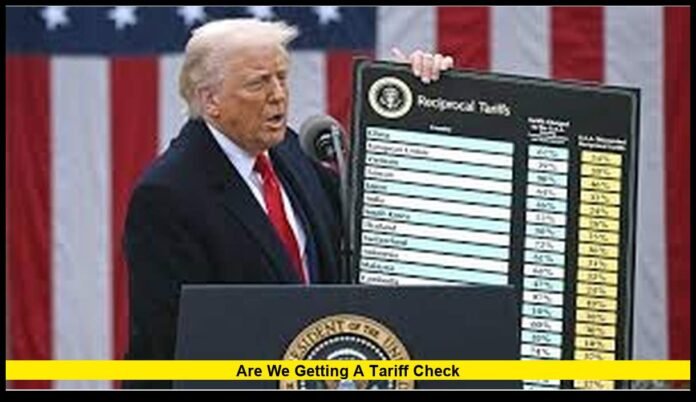

Everything You Need to Know About Trump’s Proposed $2,000 Tariff Dividend for Americans
If you are asking are we getting a tariff check, the answer is nuanced. Former President Donald Trump has proposed issuing $2,000 payments to most Americans, funded by revenue collected from tariffs on imported goods. While the concept has generated widespread public interest and debate, the payments have not yet been distributed. The proposal is still in the discussion and planning phase, and several legislative, economic, and logistical steps need to be completed before any money reaches American households.
Understanding the Tariff Check Proposal
Trump’s announcement frames the plan as a “tariff dividend,” returning a portion of the revenue collected from import tariffs directly to Americans. The proposal is intended to act as a form of economic relief amid rising living costs and inflation.
Key elements of the plan include:
- Payment Amount: $2,000 per individual eligible for the check.
- Funding Source: Federal revenue generated through import tariffs.
- Eligibility: Most Americans, excluding high-income earners. Specific income thresholds have not been released.
- Status: Conceptual stage — no legislation has been passed, no eligibility criteria are finalized, and no distribution mechanism exists.
Although Trump has publicized the proposal, it is not currently a functioning program. This means the answer to are we getting a tariff check is: it is possible, but not yet implemented.
Why the Proposal Has Gained National Attention
The tariff check idea has attracted attention for several reasons:
Tariffs as a Funding Source
Trump emphasizes that tariffs have generated billions in federal revenue. By using tariff collections to fund payments, he frames trade policy as a direct benefit to Americans, connecting import taxes to personal financial relief.
Economic Relief
Supporters argue that $2,000 payments could help families manage costs related to housing, food, healthcare, and other essentials. With inflation and living expenses remaining high, such direct cash payments are seen as a quick way to provide support.
Political Messaging
The proposal serves as a continuation of Trump’s “America First” economic agenda, reinforcing his stance that tariffs can be both a trade tool and a funding source for domestic relief programs. The announcement also resonates with voters who favor direct, tangible economic benefits rather than indirect tax cuts or other measures.
Consumer Confidence
Even as a proposal, the concept of a tariff check can influence consumer behavior. Expectations of direct payments may encourage spending, which in turn could stimulate parts of the economy, particularly retail and service sectors.
How This Proposal Compares to Past Stimulus Payments
To contextualize the tariff check, it’s helpful to examine prior U.S. cash relief efforts:
- COVID‑19 Stimulus Checks (2020–2021): Americans received multiple rounds of payments ranging from $600 to $1,400 per individual, funded through congressional appropriations.
- Direct Impact: Stimulus checks during the pandemic boosted consumer spending, supported businesses, and mitigated economic downturns caused by lockdowns.
- Key Difference: The proposed tariff check would rely on revenue from trade tariffs rather than direct legislative appropriations or deficit spending. This approach is unprecedented, creating both opportunity and challenges.
- Size and Scope: The proposed $2,000 per person aligns with the highest amounts distributed in previous stimulus programs, offering meaningful relief if implemented fully.
This comparison highlights both the potential of the tariff check and the uncertainty surrounding its funding and execution.
Challenges and Obstacles to Implementation
Several hurdles must be overcome before Americans can actually receive a tariff check:
- Congressional Approval: Payments funded by tariffs would likely require legislation to authorize the Treasury to distribute funds.
- Eligibility Definition: Income thresholds and other qualifying criteria need to be clearly defined.
- Distribution Logistics: A system must be established to deliver checks efficiently, whether via direct deposit, mailed checks, or tax credits.
- Funding Sufficiency: Economists caution that tariff revenue may not cover the full cost of $2,000 per eligible person, creating potential funding gaps.
- Economic Considerations: Large-scale payments could influence inflation, consumer spending, and monetary policy objectives.
- Legal Challenges: Some tariffs cited as funding sources face ongoing litigation, raising questions about the reliability of the revenue stream.
Until these challenges are addressed, the question are we getting a tariff check remains unanswered in practice.
Potential Economic Impact of Tariff Checks
If implemented, the tariff check could have multiple economic effects:
Short-Term Household Relief
$2,000 payments would provide immediate support to households struggling with rising costs, particularly in lower- and middle-income brackets.
Stimulus to Consumer Spending
Direct payments typically lead to increased spending in retail, service, and travel sectors, which could stimulate economic growth.
Redistribution and Equity
By excluding high-income earners, the plan would focus support on households more likely to spend additional income, potentially reducing economic inequality.
Inflation Considerations
Some experts warn that large cash injections could intensify inflationary pressures, particularly if supply chain issues persist.
Government Budget Implications
While tariffs generate revenue, the overall cost of a nationwide $2,000 check distribution could exceed available funds, potentially requiring supplementary measures or adjustments to federal spending.
Political Implications of the Tariff Check Proposal
The proposal carries significant political weight:
- Support Among Voters: Direct payments are popular among the public, especially families facing financial strain.
- Trump’s Political Strategy: The plan reinforces his image as a leader delivering tangible benefits to American households.
- Partisan Debate: Critics argue the proposal is politically motivated and economically impractical, while supporters view it as a fair return of trade revenue to the public.
- Legislative Challenges: Even if widely supported by the public, Congress would need to pass the plan into law, which could be complicated by partisan divisions and competing budget priorities.
These political dynamics are central to understanding why the question are we getting a tariff check remains unanswered.
Key Considerations for Distribution and Timing
Several factors will determine how and when Americans might receive a tariff check:
- Eligibility Verification: Confirming who qualifies based on income, residency, and other criteria.
- Payment Mechanism: Establishing whether checks will be sent by mail, direct deposit, or as part of tax filings.
- Revenue Confirmation: Ensuring tariffs have produced enough revenue to fund payments without creating budget shortfalls.
- Economic Evaluation: Assessing how the payments would affect inflation, consumer behavior, and economic stability.
- Political Will: Securing bipartisan support in Congress to authorize the payments and avoid delays.
Without these elements in place, the proposal remains aspirational.
Public Reaction and Debate
Supporters
- Emphasize the fairness of returning tariff revenue to households, particularly those directly affected by higher prices on imports.
- Highlight the potential for immediate relief and increased consumer spending.
- See it as a tangible example of connecting trade policy to direct economic benefit.
Critics
- Argue that using tariffs as funding could raise prices for consumers, partially offsetting the benefit of the check.
- Question whether the plan is financially sustainable given projected tariff revenue.
- Highlight the need for legislation and administrative mechanisms before payments could actually occur.
Public discussion continues to revolve around the feasibility and fairness of the plan, keeping are we getting a tariff check at the center of debate.
Economic and Social Implications
If implemented effectively, a tariff check could have wide-reaching implications:
- Financial Relief: Families facing high costs for necessities would receive immediate assistance.
- Consumer Confidence: Expectation of direct payments could increase spending, benefiting local economies.
- Economic Redistribution: Payments would target lower- and middle-income households, improving economic equity.
- Political Significance: A successful implementation would enhance perceptions of government responsiveness.
- Trade Policy Message: It could strengthen public perception of tariffs as not only a protective trade measure but also a revenue source for citizens.
Steps Required for Implementation
For the tariff check to move from proposal to reality, several steps must occur:
- Legislation: Congress must pass a bill authorizing payments.
- Eligibility Rules: Clear criteria must be established.
- Treasury Planning: Payment infrastructure needs to be set up.
- Revenue Verification: Ensure sufficient funding from tariffs.
- Distribution and Monitoring: Track delivery and assess economic impact post-implementation.
Each step is critical for answering the question are we getting a tariff check.
Timeline and Outlook
At present, no specific timeline has been set. Key milestones to watch include:
- Congressional hearings and bill introduction.
- Treasury Department planning and system setup.
- Public announcements detailing eligibility and timing.
- Economic and inflation assessments by independent agencies.
The implementation could take several months, meaning checks would not appear immediately.
FAQ
Q1: Who qualifies for the tariff check?
Most Americans would qualify, but high-income earners would be excluded. Detailed eligibility thresholds are not yet announced.
Q2: When will the checks be issued?
No official timeline has been set. Payments depend on legislative approval, Treasury planning, and sufficient tariff revenue.
Q3: Is congressional approval required?
Yes. Distribution of funds and authorization of payments requires legislation. The proposal alone does not guarantee checks will be sent.
Disclaimer: This article is for informational purposes only and does not constitute legal, tax, or financial advice.