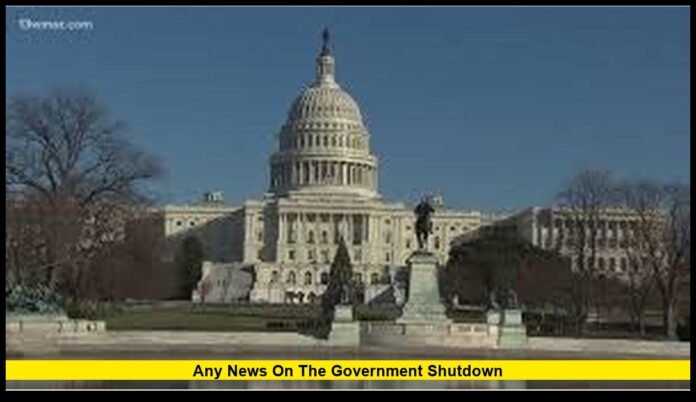

Major Senate Breakthrough Brings Hope to End the Long-Running Funding Freeze
For those wondering any news on the government shutdown, there is a significant development: on November 9, 2025, the U.S. Senate voted 60-40 to advance a measure aimed at reopening the federal government after more than 40 days without full funding. This procedural victory marks the first real movement toward ending the longest government shutdown in U.S. history.
What Just Happened?
- The Senate approved a motion to advance a funding package that would extend government operations through January 30, 2026.
- Eight Democratic senators joined Republicans and one independent to push the measure forward — signaling a bipartisan shift.
- The deal includes full-year funding for certain agencies (such as Veterans Affairs and Agriculture) and ensures back pay for federal workers who have been furloughed.
- Notably, the measure does not include an immediate extension of premium subsidies under the Affordable Care Act (ACA), an item that has been a central sticking point for Democrats.
- Agencies remain shut or operating in limited capacity until the House passes the bill and the President signs it into law.
Why the Shutdown Lasted So Long
The current shutdown began at 12:01 a.m. on October 1, 2025, after Congress failed to pass a continuing resolution or full budget for fiscal year 2026. Deep divisions over spending levels and healthcare subsidies under the ACA have prevented progress.
Several factors contributed to the gridlock:
- Democrats insisted any funding bill must include extended ACA subsidies that expire at year-end.
- Republicans demanded a “clean” funding extension first, then separate negotiations on healthcare.
- The House remained largely out of session, causing legislative bottlenecks.
- The requirement of a 60-vote threshold in the Senate (due to the filibuster) repeatedly blocked efforts.
As a result, approximately 900,000 federal workers have been furloughed or forced to work without pay, and essential services have been disrupted across the government.
How the Shutdown Has Affected Americans
Federal Workers
Hundreds of thousands of federal employees have missed paychecks or worked without compensation. This has created financial stress, as many live paycheck to paycheck.
Public Services
- National parks, museums and federal offices have experienced partial closures or delays.
- Air travel has been impacted: staffing shortages among air-traffic controllers and TSA agents have triggered flight cancellations and logistic chaos.
- Food assistance programs such as the Supplemental Nutrition Assistance Program (SNAP) and WIC (Women, Infants and Children) have faced funding disruptions, delaying benefits for low-income families.
- Grants, research programs and federal contracts have been halted or postponed, affecting businesses and universities.
Economic Impact
Analysts estimate the shutdown is costing the economy billions of dollars in lost productivity and delayed spending. Small contractors, dependents on federal grants and local communities heavily reliant on federal operations bear much of the burden.
What the Senate Funding Plan Includes
Here are key provisions of the bill advanced by the Senate:
| Provision | Details |
|---|---|
| Funding extension | Through January 30, 2026 |
| Back pay for federal workers | Guaranteed if the bill becomes law |
| Full-year funding for certain agencies | Veterans Affairs, Agriculture, etc. |
| ACA premium tax credits extension | Not included in this deal |
| Final steps | Must pass Senate ➜ House ➜ President for signing |
While this plan offers a temporary resolution, it leaves major policy issues unresolved—especially healthcare subsidies.
Political Reactions and Fallout
Democratic Divisions
A small group of Democrats crossed the aisle to support the Senate move, drawing the ire of their party’s leadership. Majority Leader Chuck Schumer voted against the measure, criticizing it for lacking healthcare protections. The splits underscore growing tensions between moderates and progressives within the party.
Republican Response
House Speaker Mike Johnson commended the eight Democratic senators who supported reopening the government, calling it “putting principle ahead of politics.” Republicans argued the bill should pass swiftly to minimize further damage.
Public Sentiment
Polls show the public largely blames Congress rather than either party specifically. Many Americans express frustration that basic services remain stalled, and the shutdown is increasingly seen as a failure of governance.
What’s Next: The Road to Reopening
The path forward involves several key steps:
- The Senate must pass the final version of the bill.
- The House must approve the measure—leadership has indicated they will return to vote once the Senate finishes.
- The President must sign it into law.
- Agencies will then begin rehiring furloughed workers, issuing back pay and restoring normal operations.
If everything proceeds smoothly, federal personnel could resume full work within days of enactment. However, the ACA subsidy debate is still pending and may trigger further legislative fights later in December.
Why This Shutdown Sets Records
This shutdown is already the longest in modern U.S. history. What makes it notable:
- It started despite the country recovering from previous budget crises.
- Service disruptions have escalated rapidly and broadly.
- The filibuster requirement has become a major procedural obstacle.
- The core issue—healthcare subsidies—has proven politically explosive and difficult to compromise.
The stakes are high: failure to end the shutdown promptly risks further economic harm, political backlash and loss of public confidence in federal institutions.
In Summary
So, to anyone asking any news on the government shutdown, yes—there is progress. The Senate’s 60-40 vote marks a turning point in one of the most damaging funding standoffs in U.S. history. While the bill still must clear the House and reach the President’s desk, its passage would signal an end to the shutdown and the restoration of services for millions.
The next days will test how quickly Congress and the executive branch can follow through. With federal workers, services and public trust all hanging in the balance, the pressure is on.
Do you believe Congress will finish the work this week and fully reopen the government? Share your thoughts below and stay tuned for updates as this story continues.