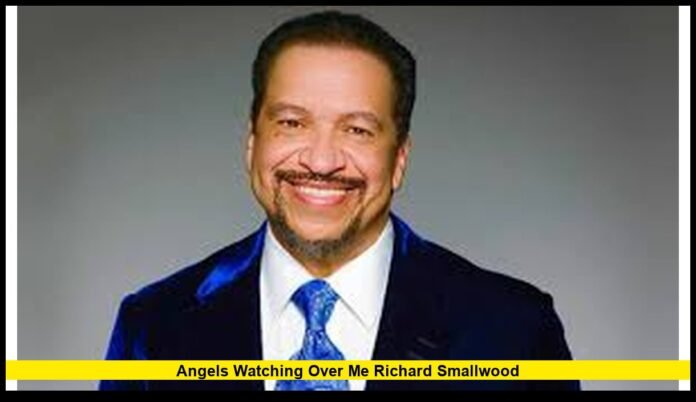

The gospel masterpiece Angels Watching Over Me Richard Smallwood continues to touch hearts and lift spirits around the world, more than four decades after its release. As of December 31, 2025, the beloved composition remains one of the most recognized and soul-stirring works in American gospel music. Its message of divine protection and faith still resonates deeply with U.S. audiences of all ages, keeping Richard Smallwood’s legacy alive and thriving.
The Birth of a Gospel Anthem
When Angels Watching Over Me first appeared on Richard Smallwood’s 1982 debut album Richard Smallwood Singers, it immediately captured attention within the gospel community. The song stood out for its spiritual warmth and elegant composition—an uplifting expression of faith wrapped in classical sophistication.
Smallwood’s approach to gospel was unique at the time. Blending his background in classical music with the soulful depth of traditional Black church sound, he created something deeply spiritual yet musically refined. Angels Watching Over Me exemplified this blend, presenting a melody that was both worshipful and rich in musical complexity.
From its release, the song became a staple in churches, choir performances, and gospel radio stations across the United States. Audiences connected instantly with its message of assurance that heavenly protection surrounds believers at all times.
Richard Smallwood: A Visionary in Gospel Music
Richard Smallwood, born in 1948 in Atlanta, Georgia, has long been regarded as a transformative force in gospel. As a child prodigy, he began playing piano by ear at age five and went on to study classical piano and vocal performance at Howard University. This dual foundation in classical training and spiritual conviction shaped his signature sound—one that continues to influence gospel artists decades later.
In 1977, Smallwood formed The Richard Smallwood Singers, a group that would become known for their sophisticated harmonies and powerful live performances. The group’s debut album, featuring Angels Watching Over Me, introduced gospel listeners to a new level of artistry and devotion.
Over his career, Smallwood has earned Grammy nominations, Stellar Awards, and numerous honors from the Gospel Music Workshop of America. Yet beyond accolades, his impact lies in how his music has touched lives, offering encouragement, strength, and joy through every note.
The Message Behind “Angels Watching Over Me”
The heart of Angels Watching Over Me lies in its comforting message: no matter the circumstance, divine protection is always present. Drawing inspiration from passages such as Psalm 91:11—“For he shall give his angels charge over thee, to keep thee in all thy ways”—the song translates scripture into melody with grace and reverence.
Its lyrics are simple yet profound, expressing gratitude and assurance without complexity. Each repetition of “Angels watching over me” builds spiritual confidence and emotional peace. The power of the song lies not just in its words but in the sincerity with which they are delivered.
In performances, the song often evokes visible emotion—congregations sway, choirs sing with conviction, and audiences feel a shared sense of calm. For many listeners, it serves as both a personal prayer and a public declaration of faith.
Musical Composition and Innovation
Musically, Angels Watching Over Me showcases Smallwood’s signature craftsmanship. It weaves together classical progressions, gospel rhythm, and intricate choral arrangements that elevate its spiritual message.
The song opens with a gentle piano motif that sets a reflective tone before building into a powerful crescendo led by the choir. The harmonies—rich and layered—demonstrate Smallwood’s classical influence while maintaining the warmth of gospel tradition.
Instrumentation is used with precision rather than excess. Piano and strings create an ethereal backdrop while the choir’s call-and-response patterns add an element of communal worship. The final sections, with their soaring vocal runs and powerful dynamics, leave listeners inspired and spiritually renewed.
This masterful blend of technique and emotion has made Angels Watching Over Me a study piece for many music students and choir directors across the United States.
Cultural and Spiritual Impact
The cultural influence of Angels Watching Over Me reaches far beyond its origins as a gospel recording. Since its release in 1982, the song has become more than a piece of music—it has grown into a spiritual tradition within African American worship and a universal anthem of reassurance across Christian communities. Its message of divine guardianship and comfort continues to transcend cultural, denominational, and generational boundaries.
During the early 1980s, gospel music was evolving rapidly. Artists like Richard Smallwood were introducing new sophistication to the genre, merging traditional gospel fervor with classical training and contemporary sound. Angels Watching Over Me emerged as a defining moment in that transformation. It helped bridge the gap between traditional hymn-based worship and modern gospel arrangements, creating a sound that appealed to both older congregants and younger audiences discovering faith through music.
For many African American congregations, the song became an anthem of resilience and collective faith. In times of social challenge and personal struggle, it offered strength and peace, reminding listeners that divine protection was constant. Choirs across the country adopted it as a declaration of unity—a musical prayer sung from one generation to another. Whether performed in small community churches or large urban congregations, the song’s message resonated as a shared spiritual experience.
Outside of the Black church tradition, Angels Watching Over Me reached broader audiences who were drawn to its beauty and sincerity. It served as an introduction to the emotional richness and theological depth of gospel music for listeners who might not have been familiar with the genre. Many churches that previously favored contemporary Christian or traditional hymns began incorporating Smallwood’s song into their worship repertoires because of its universal message of comfort.
Its musical accessibility played a key role in this expansion. While deeply rooted in gospel traditions, the song’s harmonic structure, lyrical simplicity, and flowing melody allowed it to be performed by choirs of all sizes and skill levels. From children’s choirs learning the basics of harmony to professional ensembles performing with orchestras, Angels Watching Over Me offered a format that was both teachable and emotionally profound.
The song also helped elevate the role of gospel choirs within American religious life. It became one of the first contemporary gospel compositions to be performed widely at Easter programs, Christmas concerts, and national conventions. These performances often carried immense emotional weight, symbolizing not just musical excellence but shared faith and community pride.
As gospel spread into new spaces—colleges, festivals, and even symphonic halls—Angels Watching Over Me followed. Its presence at interfaith events and cultural celebrations underscored its power to unite people across beliefs and backgrounds. The song’s universal message of angels offering protection resonates with both Christian and non-Christian audiences, reminding all of humanity of unseen guidance and peace.
In the decades since its debut, Angels Watching Over Me has also become a cultural marker of continuity within African American worship. Parents who grew up hearing it now teach it to their children, ensuring that the melody and message live on in homes and churches nationwide. It plays at baptisms, homegoing services, and community gatherings—moments that define the rhythm of spiritual life in many Black communities.
The song’s spiritual endurance lies in its dual power: it is both personal and collective. Individually, it comforts listeners who feel vulnerable or uncertain. Collectively, it binds communities in shared testimony, affirming faith in divine protection even amid life’s challenges. When sung by a choir, the harmonies symbolize unity, and the repeated refrain—“angels watching over me”—becomes a collective declaration of belief and hope.
Even outside of religious spaces, the song has appeared in stage productions, documentaries, and televised tributes celebrating gospel heritage. Its influence extends into education, where music students study it as part of the foundation of modern gospel composition. Choir directors continue to include it in national competitions and university ensembles as a showcase of both technical beauty and spiritual resonance.
In the streaming era, the song’s legacy only continues to expand. Many younger worship leaders rediscover Angels Watching Over Me on digital platforms and introduce it to new audiences through contemporary arrangements. Its simple refrain and timeless melody make it adaptable for acoustic performances, orchestral concerts, or even gospel-fusion collaborations with jazz and R&B influences.
Through every interpretation, the heart of the song remains unchanged: a message of divine assurance and faith in God’s constant presence. This timeless quality explains why Angels Watching Over Me still holds a prominent place in church repertoires across the United States and abroad.
In essence, the song’s cultural and spiritual impact lies in its ability to connect the sacred with the everyday—to remind believers that faith is both a refuge and a celebration. More than forty years later, it continues to echo through sanctuaries and hearts alike, proving that great gospel music does not fade; it grows stronger with every voice that sings it.
Performance Legacy
Over the years, Angels Watching Over Me has been performed by countless church choirs, gospel ensembles, and solo vocalists. Many leading artists—including CeCe Winans, Donald Lawrence, and Tasha Cobbs Leonard—have cited Richard Smallwood as a key influence on their own ministries and music.
Live performances of the song often highlight its emotional depth. Smallwood himself, known for his expressive piano playing and soulful leadership, brings a deeply personal connection to each rendition. His concerts frequently end with standing ovations as audiences join in the final refrain, lifting their voices in worship.
In recent years, the song has experienced a renewed presence in digital spaces. Choirs and individual singers post renditions on platforms like YouTube and Instagram, where their performances reach millions of viewers seeking spiritual comfort.
Chart Presence and Streaming Popularity
While Angels Watching Over Me was released before gospel music achieved widespread mainstream chart visibility, its longevity speaks louder than numbers. The song continues to accumulate impressive streaming statistics across platforms.
As of late 2025:
- The original recording remains one of the most streamed tracks from Smallwood’s early albums.
- It appears on multiple gospel compilation albums and curated worship playlists.
- Its digital versions are frequently downloaded by worship teams preparing for Sunday services across the U.S.
The song’s success demonstrates how timeless faith-based music continues to thrive in the digital era.
Why the Song Endures
More than four decades after its first release, Angels Watching Over Me continues to inspire, comfort, and unite people in worship settings across the nation. Its ability to remain relevant in both traditional and contemporary gospel spaces speaks to the song’s unique blend of musical excellence and spiritual depth. Several key factors explain why it has not only endured but grown stronger with time.
Spiritual universality:
At its core, the song’s message—that God sends angels to protect and watch over His people—resonates with believers from all walks of life. The idea of divine guardianship transcends denomination, race, and generation. Whether sung in a large cathedral, a small community church, or at a family gathering, the song evokes a shared understanding of faith and reassurance. Its universality has made it a lasting source of hope for millions.
Musical sophistication:
Richard Smallwood’s classical background gave the song an elegance that stands out in gospel music. Its chord progressions, harmonies, and arrangement are meticulously crafted, providing a rich musical foundation that continues to captivate both musicians and listeners. The structure allows choirs to showcase dynamic range and emotional power, while the melody remains easy enough for congregations to sing along. This balance between complexity and accessibility is a hallmark of Smallwood’s genius.
Emotional connection:
Angels Watching Over Me carries a heartfelt simplicity that reaches beyond technical skill—it connects directly to the soul. Its lyrics remind listeners that no matter what they face, they are never alone. This emotional depth is why the song is still sung at memorial services, celebrations, and moments of reflection. It brings comfort to those grieving, peace to those anxious, and gratitude to those who simply pause to acknowledge God’s care.
Intergenerational appeal:
The song bridges generations effortlessly. For older churchgoers, it recalls the golden age of gospel music in the 1980s—a period that combined tradition with innovation. For younger believers, it feels timeless and approachable, blending classic sound with messages that still feel relevant today. Many families and choirs pass the song down through generations, ensuring that its message of faith continues to echo in new voices year after year.
Cultural continuity and adaptability:
Another reason for its endurance is how seamlessly Angels Watching Over Me adapts to different musical styles and arrangements. While its original version features classical piano and choral harmony, modern interpretations include contemporary instrumentation, acoustic renditions, and even orchestral adaptations. This flexibility keeps the song fresh without losing its original spirit. It allows worship leaders and choirs to make the song their own while honoring Smallwood’s vision.
Consistent presence in worship:
In churches across the United States, the song remains a staple. Choir directors frequently include it in services during times of reflection, thanksgiving, and celebration. Many church musicians describe it as one of those rare compositions that fits any moment in worship—whether it’s the calm before a sermon, a closing benediction, or a moment of personal testimony. Its consistent inclusion in church repertoires has made it an enduring part of American gospel culture.
Emotional healing through music:
Over the years, testimonies from listeners have revealed how deeply Angels Watching Over Me has impacted lives. Many people share how the song brought comfort during illness, loss, or uncertainty. Its message of divine presence speaks directly to human vulnerability, offering a kind of peace that words alone often cannot. The simple repetition of the title line becomes, for many, a spiritual affirmation—an act of faith through song.
Connection to gospel heritage:
The piece also stands as a reminder of gospel music’s role in African American history. It carries forward the tradition of songs that were both prayers and declarations of faith, much like spirituals from earlier generations. By maintaining this connection to heritage while embracing modern artistry, Smallwood ensured that Angels Watching Over Me would hold a permanent place in gospel’s living legacy.
Influence on new artists:
Younger gospel artists continue to draw inspiration from the song’s structure and message. It has shaped how many modern composers approach gospel writing—balancing emotional power with musical precision. Performers often cite it as a model for how to create songs that are both worshipful and musically compelling. Its continued study in music programs and choir workshops reflects its lasting educational and artistic value.
Enduring emotional truth:
Ultimately, what makes Angels Watching Over Me timeless is its honesty. The song does not rely on elaborate storytelling or grandiosity—it simply declares faith in protection and love. That truth remains as powerful today as it was in 1982. Whether performed by a full choir or sung quietly in personal devotion, the words carry the same unshakable assurance.
Across decades, styles, and audiences, Angels Watching Over Me has maintained its place in the heart of gospel music because it embodies what great gospel always does—it reminds listeners of God’s presence in every moment. The song’s melody continues to echo through churches, concerts, and homes across America, a lasting testament to Richard Smallwood’s extraordinary ability to capture faith in sound.
As time moves forward, the song’s enduring message ensures it will remain not just a classic but a living part of gospel worship—an eternal reminder that no one walks alone, for angels are still watching over us.
Richard Smallwood’s Continued Influence
Richard Smallwood’s artistry extends far beyond one song. His compositions—including Total Praise, I Love the Lord, and Center of My Joy—are widely considered masterpieces of gospel writing. Each piece demonstrates his gift for combining technical precision with spiritual depth.
Even as he moves into his later years, Smallwood continues to perform selectively and inspire new generations of gospel musicians. Through mentorship and public appearances, he encourages younger artists to pursue excellence while keeping their faith central to their craft.
His legacy also includes his leadership in choral music education. Smallwood’s work is studied in universities and seminaries, where students analyze his harmonies and lyrical construction to understand how he balances artistry and worship.
Read Also:- Richard Smallwood Death: A Defining Voice of Gospel Music Leaves a Lasting Legacy
Modern Relevance and Rediscovery
In 2025, Angels Watching Over Me enjoys renewed visibility through streaming and social media. Worship leaders frequently feature it in online services, while gospel stations reintroduce it to new listeners who are discovering Smallwood’s music for the first time.
The song’s lyrics have also become popular in visual media—appearing in video montages, tribute reels, and short films emphasizing faith and perseverance. Its universal message of hope makes it suitable for diverse occasions, from celebrations of life to moments of reflection.
Churches across the U.S. continue to perform the song in both traditional and contemporary arrangements. Some introduce modern instrumentation such as acoustic guitar and light percussion, while others preserve its original piano-led style to honor Smallwood’s intent.
Community and Emotional Connection
Few songs evoke the emotional unity of Angels Watching Over Me. During live worship, it often creates a sense of togetherness—congregants holding hands, choirs swaying in harmony, and audiences joining in the refrain.
Its message reaches beyond words. Many listeners describe personal experiences of peace and reassurance while hearing or singing the song. In moments of grief or struggle, it reminds believers that they are never alone—a reflection of Smallwood’s deep spiritual conviction and empathy.
The Enduring Legacy of “Angels Watching Over Me”
As 2025 closes, Angels Watching Over Me remains one of the most beloved gospel songs ever written. It represents not only Richard Smallwood’s musical genius but also the heart of gospel itself—a faith-driven message expressed through sound, harmony, and praise.
The song’s continued presence in churches, streaming services, and live performances underscores its eternal relevance. Its beauty lies in its simplicity: a reminder that unseen protection surrounds every believer, guiding them through life’s trials.
As gospel music continues to evolve, Richard Smallwood’s work stands as a timeless reminder that faith and artistry can coexist beautifully—and that songs like “Angels Watching Over Me” will always find their place in the hearts of those who believe.