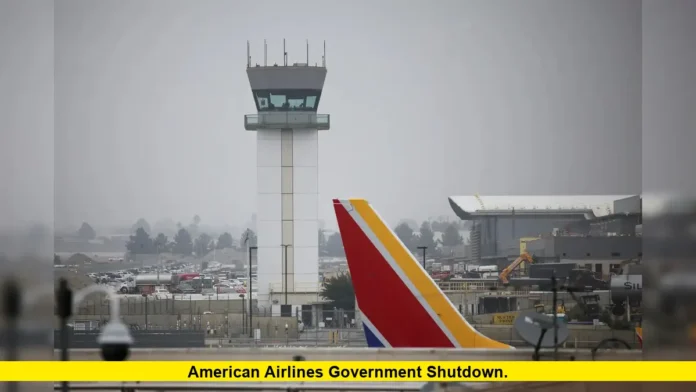

The American Airlines government shutdown is causing widespread disruptions across the U.S. aviation system, affecting flights, staffing, and passenger experiences. As of October 14, 2025, the ongoing federal government shutdown has entered its third week, and its effects are being felt throughout American Airlines’ network. Flight delays are rising, air traffic control centers are under pressure, and travelers face growing uncertainty.
Federal Shutdown Timeline and Why It Matters
The United States entered a partial federal government shutdown on October 1, 2025, after lawmakers failed to pass a funding bill for the new fiscal year. Nearly a million federal employees have been furloughed, while many essential workers—such as air traffic controllers and TSA officers—are continuing to work without pay.
This situation directly impacts airlines, especially major carriers like American Airlines, which rely on smooth coordination with federal agencies. Air traffic control services, security operations, and regulatory oversight all depend on properly staffed and funded government functions. When those systems face disruptions, airlines cannot maintain normal operations.
Rising Flight Delays and Cancellations
Thousands of Delays Across the Network
In recent days, American Airlines has experienced a surge in delays and cancellations. More than a thousand American Airlines flights were disrupted in a single weekend, representing nearly one-third of the airline’s daily schedule. This spike comes as air traffic control facilities across the country face reduced staffing levels, forcing flight rerouting and extended ground holds.
Major hub airports such as Dallas–Fort Worth, Chicago O’Hare, New York, Newark, and Phoenix have been especially affected. With fewer controllers on duty, flight spacing increases, slowing arrivals and departures. This domino effect has led to longer waits at gates, missed connections, and growing frustration among travelers.
Air Traffic Control Staffing Under Pressure
FAA Workforce Strain
The Federal Aviation Administration’s air traffic control system is at the core of the current delays. Essential personnel are required to work without pay, and staffing shortages are worsening as the shutdown drags on. Controllers in critical airspaces are stretched thin, increasing delays across the national network.
In several regions, staffing has dropped below safe operational thresholds. To maintain safety, the FAA has implemented ground delay programs and rerouted flights through less congested corridors. These measures, while necessary, further reduce capacity and slow down travel times.
Airports Facing Operational Bottlenecks
Airports in cities like Austin, Dallas, and Washington have reported significant ground delays, sometimes exceeding 90 minutes. At some towers, the situation has become so strained that regional control centers have been forced to assume local responsibilities, leading to additional complexity and slower decision-making.
This level of strain on the system is unusual and highlights how closely airlines like American depend on stable federal operations.
Ripple Effects on American Airlines Operations
Crew Scheduling Challenges
When delays cascade through the system, they disrupt more than passenger itineraries. American Airlines must constantly adjust crew rotations, aircraft assignments, and maintenance schedules. A single delay early in the day can ripple across dozens of flights, forcing last-minute cancellations or reassignments. This operational juggling increases costs and strains airline resources.
Financial and Reputational Impact
Extended disruptions also come with financial consequences. Airlines may face higher expenses for overtime, aircraft repositioning, and compensating passengers for delays and cancellations. Additionally, prolonged disruptions risk damaging the airline’s reputation. Frustrated passengers are taking to social media to voice their concerns, and some are rethinking future travel plans altogether.
Passenger Experience During the Shutdown
Longer Security Lines and Boarding Delays
TSA officers are working without pay, which raises concerns about morale and staffing levels at checkpoints. Many airports have seen longer security lines, adding to passenger frustration and increasing the likelihood of missed flights. Boarding delays are also more frequent due to slower processing times and late-arriving aircraft.
Rising Customer Complaints
Passengers affected by the American Airlines government shutdown have reported missed connections, overnight delays, and difficulties with rebooking. Some travelers are receiving waivers or more flexible change policies, but the scale of disruption has tested the airline’s customer service systems.
Key Areas of Impact
| Area of Impact | Current Status | Risk to American Airlines |
|---|---|---|
| Air Traffic Control | Understaffed, slower operations | Increased delays and cancellations |
| TSA/Security | Working unpaid, morale concerns | Longer lines, potential checkpoint delays |
| Passenger Experience | High frustration levels | Rising complaints and possible booking hesitation |
| Crew Scheduling | Requiring constant adjustments | Higher costs, increased operational complexity |
| Public Perception | Negative sentiment increasing | Potential long-term reputation challenges |
What American Airlines and Passengers Are Doing
American Airlines has activated internal contingency plans to manage the crisis. This includes optimizing flight schedules, holding reserve crews, and prioritizing major routes. The airline is also offering more flexible change and refund policies to affected passengers.
For travelers, a few steps can help minimize disruptions:
- Check flight status frequently through official airline channels.
- Arrive at the airport earlier than usual to account for security delays.
- Be prepared for rebookings or routing changes.
- If possible, choose flights at less congested times of day.
The Path Ahead
The length of the federal government shutdown will determine how long these disruptions persist. If the shutdown continues for several more weeks, staffing shortages could worsen, leading to additional delays and cancellations. Airlines can make operational adjustments, but they cannot fully replace the role of federal agencies in keeping the airspace running smoothly.
American Airlines, like other carriers, is urging swift action to resolve the funding impasse. Until that happens, passengers should expect a challenging travel environment with limited predictability.
As the situation evolves, the American Airlines government shutdown highlights how closely commercial aviation depends on a functioning federal infrastructure. Travelers, airline employees, and regulators are all feeling the impact, and every additional day of the shutdown adds more pressure to the system.
Have you experienced delays or cancellations during this shutdown? Share your story in the comments and stay informed as the situation develops.