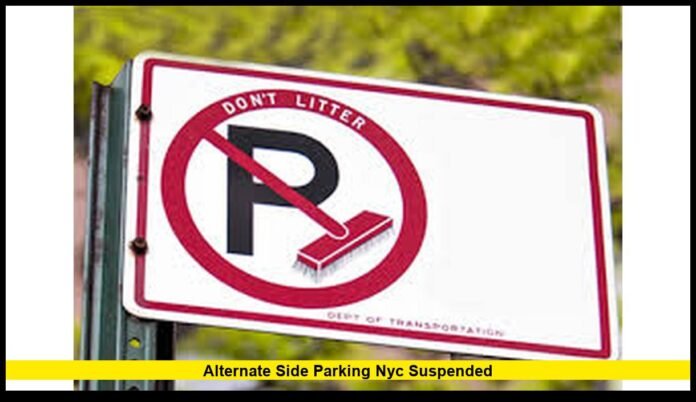

Alternate side parking NYC suspended remains one of the most closely followed daily updates for New York City drivers who depend on street parking. Whether caused by holidays, winter weather, or city operations, these suspensions directly affect commuting routines, parking availability, and the risk of costly tickets. Knowing exactly what a suspension means — and what it does not — is essential for anyone parking on NYC streets.
This article provides a comprehensive, factual look at alternate side parking suspensions in New York City. It builds on the same topic and scope while offering deeper clarity, practical explanations, and up-to-date context for U.S. readers navigating daily parking decisions.
How Alternate Side Parking Works in NYC
Alternate side parking, often called ASP, is a long-standing system used to keep New York City streets clean. Under this system, vehicles must be moved from one side of the street to the other during posted hours so sanitation crews can sweep curbs and remove debris.
ASP rules vary by location. Some streets require vehicles to move once per week, while others enforce cleaning twice weekly. The specific days and times are clearly listed on street signs, though reading and understanding them can still be confusing, especially for new drivers.
Because of NYC’s population density and limited curb space, alternate side parking plays a central role in maintaining street conditions. At the same time, it places a constant burden on drivers to track schedules closely.
What It Means When Alternate Side Parking NYC Is Suspended
When alternate side parking NYC is suspended, drivers are temporarily relieved from moving their vehicles for street cleaning. Cars may remain parked during hours that would normally require relocation.
It is important to understand that an ASP suspension only affects street-cleaning rules. All other parking regulations remain fully enforceable. Drivers can still be ticketed for violations such as blocking fire hydrants, parking in no-standing zones, overstaying meter limits, or obstructing driveways.
A suspension offers convenience, not immunity from enforcement.
Why the City Suspends Alternate Side Parking
The city does not suspend ASP arbitrarily. Suspensions occur for specific, well-defined reasons tied to operations, safety, and scheduling.
Holiday Suspensions
Many legal, religious, and cultural holidays include a planned suspension of alternate side parking. These dates are published in advance and remain consistent year to year, with occasional calendar adjustments.
Holiday suspensions help accommodate reduced sanitation staffing and increased pedestrian activity. They also provide predictable relief for drivers who plan around these dates.
Weather-Related Suspensions
Weather is one of the most common reasons alternate side parking is suspended. Snowstorms, freezing rain, and ice conditions make it unsafe and impractical for drivers to move vehicles.
During winter events, suspending ASP allows sanitation crews to focus on plowing, salting, and clearing emergency routes. It also prevents drivers from being forced onto slippery roads.
Once conditions improve, ASP is typically restored quickly.
City Operations and Emergencies
In limited situations, ASP may be suspended due to emergency repairs, public safety operations, or infrastructure needs. These suspensions are usually short and highly targeted.
Why ASP Suspensions Matter So Much to Drivers
Alternate side parking violations are among the most common parking tickets issued in New York City. For drivers who rely solely on street parking, even one mistake can be costly.
When ASP is suspended:
- Drivers save time by not relocating vehicles
- Parking availability increases temporarily
- The risk of street-cleaning tickets drops
- Daily routines become more predictable
However, misunderstandings about suspensions can still lead to fines if drivers assume all rules are relaxed.
The Difference Between ASP Rules and Parking Meters
One of the most critical distinctions drivers must understand involves parking meters.
When alternate side parking is suspended:
- Street-cleaning requirements are paused
- Vehicles may stay parked during ASP hours
What does not change:
- Parking meters may still require payment
- Time limits may still apply
- Commercial parking rules remain active
Only certain major holidays suspend both ASP and meter enforcement. Most weather-related suspensions do not affect meters.
Neighborhood Variations in Alternate Side Parking
ASP rules are not uniform across New York City. Each neighborhood, and often each block, has its own schedule.
Residential areas may have longer cleaning windows with fewer days per week. Commercial corridors may have shorter but more frequent enforcement periods.
Drivers should never assume that rules on one block apply to the next. Signs posted on the street always take precedence.
Winter and Alternate Side Parking
Winter places the greatest strain on the alternate side parking system. Snowbanks, ice buildup, and reduced visibility make moving vehicles difficult.
ASP suspensions during winter help:
- Prevent accidents during snow events
- Reduce traffic congestion
- Allow plows to clear major routes
- Protect drivers from hazardous conditions
Once snow is cleared, ASP resumes even if some snow remains along curbs. Drivers must be prepared to move vehicles promptly.
How Drivers Can Avoid Tickets During Suspensions
Even on suspension days, parking tickets remain common. Many drivers mistakenly believe enforcement stops entirely.
To avoid tickets:
- Always read posted signs
- Confirm whether meters are active
- Avoid restricted zones
- Do not block hydrants or driveways
- Check daily status updates
ASP suspension reduces one category of enforcement, not all enforcement.
Technology and ASP Enforcement
Parking enforcement in NYC has become increasingly efficient. Digital ticketing, license plate recognition, and centralized databases allow officers to adjust enforcement quickly when suspensions are announced.
This means drivers cannot rely on outdated information or assumptions. Enforcement changes take effect immediately once announced.
The Economic Impact of ASP on New Yorkers
For many residents, street parking is not a convenience but a necessity. Monthly garage fees are often unaffordable, making compliance with ASP rules a daily challenge.
Suspensions offer temporary relief from:
- Fuel costs associated with moving vehicles
- Lost time searching for parking
- Parking tickets and fines
At the same time, unclear understanding of the rules can negate these benefits.
Planning Ahead for ASP Suspensions
Drivers who plan ahead experience fewer surprises. Holiday suspensions are known well in advance, allowing drivers to adjust schedules.
Weather-related suspensions require closer monitoring, especially during winter months. Checking daily status early in the morning can prevent rushed decisions later in the day.
Common Myths About Alternate Side Parking Suspensions
Several myths persist among drivers:
- “If ASP is suspended, meters are free.”
- “Enforcement officers don’t work on suspension days.”
- “I can park anywhere during a suspension.”
None of these are true. ASP suspension has a narrow and specific meaning.
Why ASP Remains a Core NYC Policy
Alternate side parking has existed for decades because it serves a clear purpose. It allows sanitation crews to maintain streets in a city with limited space and constant use.
While the system can be frustrating, it remains more effective than alternatives tested in the past. Suspensions help balance enforcement with flexibility when conditions demand it.
What Drivers Should Expect Going Forward
Alternate side parking will continue to be enforced across New York City. Suspensions will remain tied to holidays, weather, and operational needs.
Drivers should expect:
- Regular holiday suspensions
- Frequent winter weather suspensions
- Rapid reinstatement after conditions improve
- Continued strict enforcement of non-ASP rules
Daily awareness will remain essential.
Practical Tips for Daily Street Parking
Drivers who manage ASP successfully tend to follow a few consistent habits:
- Check ASP status every morning
- Keep track of holiday calendars
- Set reminders for enforcement days
- Learn neighborhood patterns
- Read signs carefully
These habits reduce stress and lower the risk of fines.
Why This Topic Continues to Matter
Few city policies affect daily life as directly as alternate side parking. For millions of New Yorkers, it determines when they leave home, where they park, and how they plan their day.
Suspensions provide relief, but only for drivers who understand the rules fully. Clear, accurate information remains the most valuable tool.
Final Thoughts for NYC Drivers
Alternate side parking NYC suspended updates are more than routine announcements. They shape traffic flow, parking availability, and daily routines across the city.
By staying informed and understanding exactly what a suspension means, drivers can take advantage of these breaks without risking penalties.
Alternate side parking NYC suspended explained with clear rules, winter updates, holiday impacts, and tips for city drivers.
Have your parking habits changed because of an alternate side parking suspension? Share your experience or stay connected for future updates.