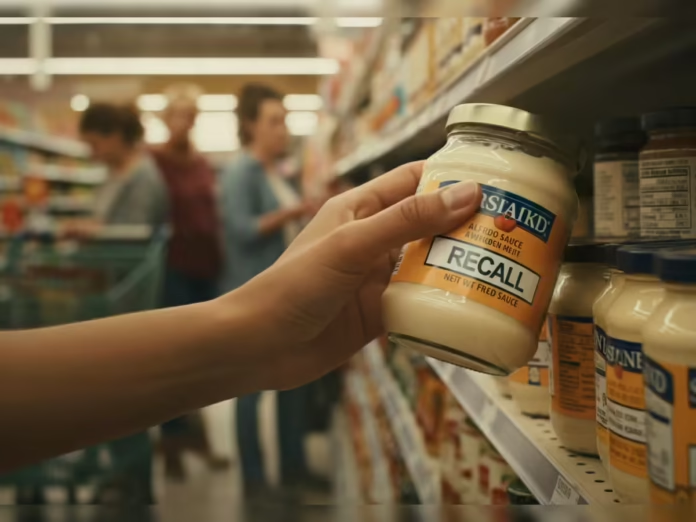

Consumers across much of the United States are being urged to check their refrigerators and pantry shelves following an alfredo sauce recall that has been classified among the most serious food safety actions issued this year. The affected product was distributed widely, reaching stores in 41 states, and regulators have elevated the recall to the highest risk category due to potential health concerns.
The action has sparked concern among shoppers because products linked to serious contamination risks can remain in homes long after they are removed from retail shelves. Food safety officials are emphasizing the importance of identifying affected items and taking immediate action to prevent possible illness.
Why the Recall Was Elevated
Food recalls occur regularly, but only a small number receive the highest hazard classification. Such designations are reserved for situations where consuming the product could result in severe medical complications or, in rare cases, death.
In this instance, investigators identified concerns that prompted authorities to determine the potential health risk was significant enough to warrant stronger public notification. As a result, retailers, distributors, and consumers have been advised to stop using the affected products immediately.
The upgraded classification reflects the seriousness of the issue rather than the number of illnesses reported. Safety agencies often take precautionary steps before widespread health impacts occur, aiming to remove potentially dangerous products from circulation as quickly as possible.
Distribution Reached a Large Portion of the Country
One factor drawing national attention is the scale of the distribution network involved. The recalled Alfredo sauce was shipped to stores across 41 states, making it one of the more widely distributed food recalls in recent months.
Because grocery chains often operate across multiple regions, consumers may have purchased the product while traveling or through online grocery delivery services. This broad reach increases the likelihood that affected containers may still be stored in homes.
Officials recommend reviewing product packaging carefully and comparing details with recall announcements to determine whether a particular item is included.
Understanding the Potential Health Risks
Food contamination can affect individuals differently depending on age, health status, and the nature of the contaminant involved.
Healthy adults may experience mild symptoms and recover without medical treatment. However, some groups face a higher risk of serious complications, including:
- Older adults
- Young children
- Pregnant women
- Individuals with weakened immune systems
- People undergoing certain medical treatments
Symptoms associated with foodborne illness can vary but often include nausea, vomiting, diarrhea, abdominal discomfort, fever, and dehydration. Severe cases may require hospitalization, particularly when vulnerable individuals are affected.
Medical experts generally advise seeking professional care if symptoms become persistent, severe, or are accompanied by signs of significant dehydration.
What Consumers Should Do Immediately
Anyone who believes they may have purchased the affected Alfredo sauce should take precautions without delay.
Recommended steps include:
- Stop consuming the product immediately.
- Check product packaging and identifying information.
- Dispose of affected containers according to local guidelines or follow retailer instructions regarding returns.
- Clean storage areas, utensils, and surfaces that may have come into contact with the sauce.
- Monitor for symptoms if the product was consumed recently.
Food safety specialists note that contaminated products may not display obvious warning signs. Appearance, smell, and taste are not reliable indicators of whether a food item is safe to consume.
Retailers Respond to Recall Notice
Stores receiving recall notifications typically begin removing affected products from shelves as soon as possible. Inventory systems are used to identify impacted batches, while notices may also be posted online and at store locations.
Many retailers additionally contact customers directly when purchase records are available through loyalty programs or digital receipts. These notifications can help consumers identify products that may already be in their homes.
Industry experts say rapid communication has become a critical part of modern food safety efforts, allowing recalls to reach consumers more effectively than in previous decades.
Food Safety Monitoring Continues to Expand
The latest recall highlights the growing sophistication of food safety monitoring systems throughout the supply chain.
Manufacturers, distributors, laboratories, and regulatory agencies now use advanced testing and tracking methods to detect potential problems earlier than ever before. While recalls can be alarming, they also demonstrate the effectiveness of surveillance systems designed to protect public health.
When a potential hazard is identified, companies often work with regulators to remove products before larger outbreaks occur. These actions can help reduce exposure and limit the number of people affected.
Food industry analysts note that transparency has become increasingly important, with consumers expecting prompt communication whenever a potential risk is discovered.
Why Recalls Matter to Consumers
Every food recall serves as a reminder that food safety extends beyond production facilities and retail stores. Consumers play an important role by staying informed and responding quickly when warnings are issued.
Checking recall notices regularly can help households avoid unnecessary health risks. Experts also recommend maintaining awareness of products stored in refrigerators, freezers, and pantries, especially items that may remain unused for extended periods.
The recent alfredo sauce recall demonstrates how quickly a routine grocery purchase can become a public health concern when contamination risks emerge. Prompt action remains the most effective way for consumers to protect themselves and their families.
As investigations continue and additional information becomes available, shoppers are encouraged to remain attentive to product safety alerts and follow guidance provided through official recall channels.