
News surrounding U.S. grocery safety gained significant attention this week after new retail alerts and federal notices confirmed several product recalls tied to items sold at Aldi supermarkets across the country. The updates span allergen concerns, contamination risks, and a major household product recall, creating a wave of consumer questions about what is safe to keep and what must be returned. With shoppers increasingly vigilant about food labeling and manufacturing standards, the subject of aldi recalls has become a pressing topic for families looking to protect their households and avoid preventable health issues.
Across American grocery stores, product safety plays a critical role in consumer trust. When multiple recalls appear within a short window, customers want clarity, not confusion. This report offers a comprehensive breakdown of each recall, why it matters, and how shoppers can respond promptly. Every detail provided here reflects verified recall announcements issued today, ensuring accuracy without speculation.
A Closer Look at the Holiday Chocolate Bark Recall
Seasonal confectionery often becomes a centerpiece of holiday shopping. However, recent findings revealed that certain batches of holiday chocolate bark were pulled from shelves due to undeclared peanuts. What makes this situation particularly concerning is not the ingredient itself but the mislabeling that accompanied it. Peanut allergens can trigger severe reactions in individuals with sensitivities, including anaphylaxis, making accurate labeling absolutely essential.
The affected products were part of a festive assortment typically purchased for gatherings, gifting, and general holiday enjoyment. Many families may already have these items stored in their kitchens, unaware of the potential health risks. Every package includes a UPC code, batch number, and best-by date, which shoppers should review immediately. Any product that matches recall identifiers should not be consumed under any circumstance. Returning the item to the store or disposing of it safely helps prevent accidental exposure, especially in households with vulnerable individuals such as children.
This recall also highlights a broader pattern seen in seasonal food production: high-volume manufacturing sometimes leads to labeling oversights. While the retailer has taken corrective steps, consumers should remain alert when purchasing or opening seasonal goods.
Frozen Spring Rolls Containing Undeclared Shrimp
Frozen foods offer convenience, but the most recent recall affecting Aldi’s frozen spring rolls demonstrates how even small packaging errors can create serious risks. These spring rolls were sold under the Fusia Asian Inspirations brand and were labeled as vegetable-based, but testing revealed that shrimp spring rolls may have been mixed into the same packaging. Because shrimp is one of the major food allergens requiring clear labeling, the discovery prompted an immediate recall.
For households with shellfish allergies, even trace amounts can be dangerous. Shoppers are advised to check the UPC and date codes on their packages before consuming the product. Because frozen foods are often bought in bulk, it is common for multiple packages to be stored for long periods, increasing the chances that affected items remain in home freezers.
The recall serves as a reminder that allergen contamination does not only occur during production but can also happen during packaging, storage, or distribution. As a result, retailers and manufacturers must maintain strict separation and quality-control protocols to prevent mix-ups between allergen-containing and allergen-free products.
Milk Allergen Found in Taco Dinner Kits
Another recall gaining attention involves taco dinner kits that include shells, seasoning, and small ingredient packets. Tests confirmed that certain lots contained milk despite the allergen not being disclosed anywhere on the packaging. Individuals with dairy allergies often rely heavily on ingredient panels to make safe choices, making undeclared milk particularly problematic.
These kits are especially common in family households because they provide quick weeknight meal options. Shoppers may have already used part of the kit without knowing the risk. Parents preparing meals for children with food sensitivities must take extra care to verify whether their kit matches the recalled lot codes.
Stores are accepting returns for affected products, and consumers are urged not to open or consume items that correspond to recall details. Even mild dairy allergies can escalate unpredictably, so caution is essential.
Pork Carnitas Recall Linked to Possible Metal Fragments
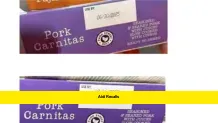
Physical contamination recalls do not occur as frequently as allergen-related ones, but when they do, they demand immediate attention. This week, pork carnitas sold at Aldi locations were flagged due to the potential presence of metal fragments. These fragments were connected to products manufactured on specific dates, prompting a detailed public health alert.
Metal contamination can cause choking hazards, dental damage, or internal injury depending on the size and sharpness of the fragment. Because carnitas are often used in tacos, burrito bowls, and sandwiches, families may purchase them with plans for multi-day meal prep. Anyone who recently bought this product should examine the production information printed on the packaging. If the product aligns with recall instructions, it must be discarded or returned without tasting or testing it.
Manufacturing facilities typically use heavy equipment capable of producing metal shavings or particles when machinery malfunctions or wears down. When a production line incident occurs, manufacturers typically pause operations, isolate affected batches, and work directly with regulatory teams to verify which units must be recalled.
Ambiano Pressure Cooker Recall Over Burn Hazard
Beyond food items, a significant household product recall also emerged, involving Ambiano electric pressure cookers sold exclusively at Aldi across several years. Reports indicated that lids on certain units could open while under pressure, allowing hot contents to burst out. Because pressure cookers reach extremely high temperatures, this malfunction poses a severe burn risk.
Tens of thousands of units are part of the recall, covering several model numbers. Consumers who own an Ambiano pressure cooker should immediately stop using it, unplug the device, and follow the return or refund instructions provided through the recall notice. Injuries associated with pressure cookers can be serious and require medical attention, reinforcing the importance of compliance.
Pressure cooker recalls are not unheard of, but they always draw a significant public response because these appliances are widely used for soups, stews, rice dishes, and fast weeknight meals. Many families use them several times a week, making it essential to spread awareness quickly when safety concerns arise.
How Shoppers Can Protect Themselves Right Now
With several recalls announced at once, the safest approach is to review products already purchased and remain attentive to future alerts. Here are key steps consumers should take:
1. Examine all product labels thoroughly.
Matching UPCs, lot codes, and best-by dates is the most reliable way to determine whether an item is affected. Visual similarity alone is not enough.
2. Avoid consuming items tied to any recall.
Do not attempt to inspect or taste a product to determine safety. If packaging details confirm involvement in a recall, the product should be returned or thrown away.
3. Monitor allergy-prone households carefully.
When allergens are involved, precautions must be immediate. Keep affected products out of reach of children or individuals with sensitivities.
4. Store refrigerated and frozen products properly.
If an affected product needs to be returned, keep it cold to avoid additional food safety issues during transport.
5. Keep packaging for reporting if injuries occur.
If someone experiences an adverse reaction or injury, having the original packaging helps medical teams and regulators identify the issue clearly.
Understanding Food and Product Recall Classifications
Federal agencies categorize recalls according to the level of risk posed:
- Class I recalls involve serious, potentially life-threatening hazards. These are the highest priority and require immediate action.
- Class II recalls involve temporary or medically reversible issues, though they still warrant caution.
- Class III recalls typically involve minor problems unlikely to cause adverse health outcomes.
These classifications help consumers judge the urgency of each recall. When allergen mislabeling or contamination is involved, recalls often fall into Class I or Class II categories. Consumers should never assume a product is safe without reviewing the exact recall notification.
Staying Updated as New Information Emerges
Retailers and regulatory agencies update recall information regularly. Because investigations may uncover new lot numbers or manufacturing lines, shoppers should stay aware of ongoing announcements. Checking your pantry, freezer, or storage shelves against current alerts can prevent accidental exposure to hazardous items.
Packaging identifiers — specifically UPCs, lot codes, and production dates — are the most dependable tools for assessing whether a product is safe. Relying solely on images, names, or descriptions is not recommended. As more shoppers adopt the habit of scanning labels routinely, retailers respond with improved transparency and quicker communication.
Final Overview
This series of nationwide recalls includes undeclared allergens, potential metal contamination, and a serious pressure cooker malfunction. Each issue represents a different category of consumer risk, but they all require immediate attention. Families who shop at Aldi or who recently purchased the items mentioned above should take time to compare packaging details with current recall instructions to ensure their homes remain safe.
These aldi recalls highlight the importance of staying informed, reading labels carefully, and responding swiftly whenever new safety notices are issued. With clear communication and proper action, consumers can protect their households and prevent unnecessary health concerns.