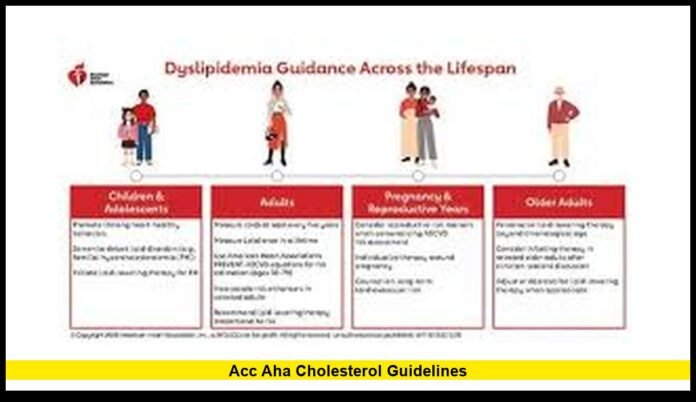

The acc aha cholesterol guidelines remain the leading framework used by physicians in the United States to evaluate and treat high cholesterol in 2026. Developed by the American College of Cardiology and the American Heart Association, these medical standards guide healthcare providers when assessing cardiovascular risk, recommending lifestyle changes, and prescribing medications that lower cholesterol levels.
Heart disease continues to rank among the most serious health threats for Americans. Elevated cholesterol contributes significantly to the development of atherosclerosis, a condition that narrows arteries and increases the risk of heart attacks and strokes. To address this issue, the ACC and AHA created detailed recommendations that help doctors identify high-risk patients and choose appropriate treatments.
These clinical guidelines play a central role in cardiology practices, primary care clinics, and preventive medicine across the United States.
Understanding the Organizations Behind the Guidelines
The American College of Cardiology represents cardiologists and cardiovascular specialists. It promotes research, clinical education, and improved treatment standards.
The American Heart Association focuses on public health, scientific research, and prevention programs related to heart disease and stroke.
Both organizations work together to produce evidence-based medical guidance that physicians use in daily practice.
When they release cholesterol management recommendations, healthcare providers across the country adopt them as standard clinical guidance.
Why Cholesterol Management Is Critical
Cholesterol plays an essential role in the body. It helps build cells and supports hormone production.
However, high cholesterol levels can cause serious health problems.
When cholesterol accumulates in artery walls, it forms plaque. This buildup narrows arteries and restricts blood flow.
Over time, plaque may rupture and trigger a blood clot. This can block blood flow to the heart or brain.
Potential consequences include:
- Heart attack
- Stroke
- Peripheral artery disease
Reducing harmful cholesterol levels lowers the likelihood of these events.
This is the main objective of modern cholesterol treatment strategies.
Types of Cholesterol That Affect Health
Cholesterol travels through the bloodstream in particles called lipoproteins.
Two main types play a major role in cardiovascular health.
| Type | Description |
|---|---|
| LDL (Low-Density Lipoprotein) | Often called “bad cholesterol” because it contributes to plaque buildup |
| HDL (High-Density Lipoprotein) | Known as “good cholesterol” because it helps remove excess cholesterol from the bloodstream |
High levels of LDL increase the risk of cardiovascular disease.
Higher levels of HDL help protect against plaque accumulation.
Doctors typically focus on lowering LDL cholesterol to reduce heart disease risk.
Risk Assessment in Modern Cholesterol Care
A major change in modern cholesterol management involves assessing a patient’s overall cardiovascular risk rather than focusing solely on cholesterol numbers.
Doctors calculate the probability that a patient will develop heart disease within the next ten years.
Several health factors influence this risk estimate.
Important considerations include:
- Age
- Blood pressure levels
- Total cholesterol and HDL cholesterol levels
- Smoking status
- Presence of diabetes
- Family history of cardiovascular disease
This method allows healthcare providers to tailor treatment to each individual.
People with higher calculated risk often receive more aggressive cholesterol-lowering therapy.
Key Patient Groups Identified for Treatment
The acc aha cholesterol guidelines identify several categories of patients who benefit most from cholesterol-lowering treatment.
These groups include individuals with the highest risk for cardiovascular disease.
Major patient categories include:
- People who already have cardiovascular disease
- Individuals with LDL cholesterol levels at or above 190 mg/dL
- Adults aged 40 to 75 who have diabetes
- Adults aged 40 to 75 with elevated calculated cardiovascular risk
Patients in these groups often receive stronger recommendations for medication.
Doctors monitor them closely to prevent serious cardiovascular events.
Statins as the Primary Treatment Option
Statins remain the most commonly prescribed medications for lowering cholesterol.
These drugs reduce cholesterol production in the liver. As a result, LDL cholesterol levels decrease.
Statins also help stabilize plaque within arteries, lowering the chance of plaque rupture.
Common statins prescribed in the United States include:
- Atorvastatin
- Rosuvastatin
- Simvastatin
- Pravastatin
- Lovastatin
These medications have been studied extensively and show clear benefits in reducing heart attacks and strokes.
Millions of Americans currently take statins as part of long-term cardiovascular prevention.
Different Levels of Statin Therapy
Doctors prescribe statins at different intensities depending on a patient’s risk level.
Statin therapy usually falls into three categories.
| Therapy Level | Expected LDL Reduction |
|---|---|
| High-intensity | About 50% reduction or more |
| Moderate-intensity | Approximately 30–49% reduction |
| Low-intensity | Less than 30% reduction |
High-intensity statins are commonly recommended for individuals with existing heart disease or extremely high cholesterol.
Moderate-intensity therapy may be used for patients with moderate risk.
Lifestyle Changes as the First Line of Defense
Although medications play an important role, lifestyle choices remain the foundation of cholesterol management.
Doctors encourage patients to adopt habits that support heart health.
Healthy lifestyle practices include:
- Eating balanced meals rich in fruits and vegetables
- Limiting saturated fats and processed foods
- Exercising regularly
- Maintaining a healthy body weight
- Avoiding tobacco use
These changes can significantly improve cholesterol levels and overall cardiovascular health.
Lifestyle adjustments often accompany medication therapy.
Dietary Patterns That Support Healthy Cholesterol
Nutrition has a strong impact on cholesterol levels.
Medical experts recommend dietary patterns that emphasize whole foods and healthy fats.
Popular heart-friendly diets include:
- Mediterranean-style diets
- Plant-based eating patterns
- Diets high in fiber and whole grains
Foods that support heart health include:
- Leafy vegetables
- Legumes and beans
- Fish rich in omega-3 fatty acids
- Nuts and seeds
- Olive oil
Reducing processed foods and saturated fats helps lower LDL cholesterol.
These dietary habits also improve overall metabolic health.
Additional Cholesterol-Lowering Therapies
Some patients require additional treatments beyond statins.
When LDL cholesterol remains elevated despite statin therapy, doctors may prescribe other medications.
Common additional options include:
- Ezetimibe
- PCSK9 inhibitors
Ezetimibe reduces cholesterol absorption in the small intestine.
PCSK9 inhibitors are injectable medications that significantly lower LDL cholesterol levels.
These drugs are typically used for patients with very high risk or inherited cholesterol disorders.
Monitoring Cholesterol Levels
Regular monitoring helps ensure treatment remains effective.
Doctors usually measure cholesterol through blood tests.
Typical monitoring steps include:
- Testing cholesterol levels before treatment
- Rechecking levels after therapy begins
- Adjusting medications when needed
Follow-up testing allows doctors to confirm that LDL levels are decreasing.
Monitoring also helps identify potential side effects from medications.
Consistent follow-up improves long-term outcomes for patients.
Shared Decision-Making Between Doctors and Patients
Modern medical care emphasizes collaboration between patients and healthcare providers.
Doctors discuss treatment options and risks with patients before starting therapy.
Patients may consider several factors during these discussions.
These include:
- Personal health goals
- Possible medication side effects
- Lifestyle changes they are willing to adopt
Shared decision-making helps patients feel more involved in their care.
This approach often leads to better treatment adherence.
Public Health Importance of Cholesterol Control
Heart disease remains one of the leading causes of death in the United States.
Millions of adults have high cholesterol levels without realizing it.
Routine screening allows doctors to identify individuals at risk before symptoms appear.
The acc aha cholesterol guidelines help standardize care across the healthcare system.
Doctors use these recommendations to prevent heart attacks, strokes, and other cardiovascular complications.
Early treatment and prevention strategies save lives.
Ongoing Research in Cardiovascular Medicine
Medical researchers continue to explore new strategies for lowering cholesterol and preventing heart disease.
Scientists study innovative therapies, genetic treatments, and improved medications.
Clinical trials also examine new approaches to lifestyle interventions.
As scientific understanding evolves, medical organizations review new evidence.
Future updates to cholesterol treatment recommendations may include additional therapies or refined risk assessment tools.
Continuous research helps improve prevention and treatment strategies for cardiovascular disease.
Heart health remains a priority for millions of Americans. Understanding how cholesterol affects the body can help people make informed decisions about their health.
Have you checked your cholesterol levels recently? Share your thoughts and join the discussion about heart health and prevention.