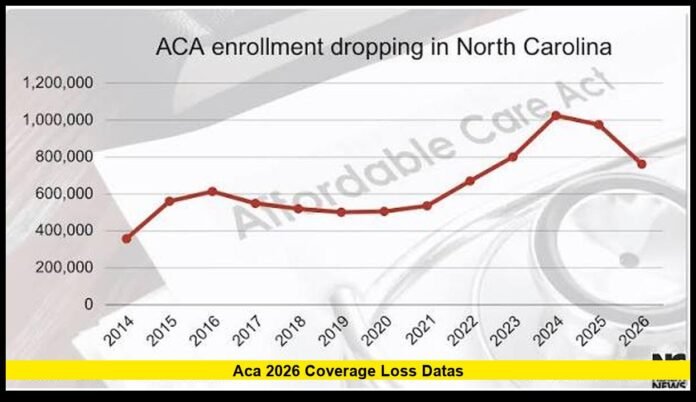

The latest aca 2026 coverage loss data is drawing nationwide attention as millions of Americans face a changing health insurance landscape. After several years of record enrollment in Affordable Care Act Marketplace plans, new federal policy changes, higher insurance costs, and updated eligibility requirements are beginning to reshape coverage across the country. While many households continue to receive financial assistance to purchase insurance, recent developments suggest that maintaining affordable coverage may become more difficult for some consumers throughout 2026 and beyond.
Healthcare experts have long emphasized that insurance enrollment is closely tied to affordability. When premiums rise or subsidy programs change, enrollment numbers often respond quickly. That trend is becoming increasingly visible as updated projections indicate that the number of uninsured Americans could gradually increase over the coming years unless additional policy changes are introduced.
A Turning Point for Affordable Care Act Enrollment
For much of the past several years, enrollment through the Affordable Care Act Marketplace reached unprecedented levels. Millions of individuals and families found affordable health insurance thanks to expanded financial assistance introduced during the COVID-19 pandemic. Those temporary measures significantly reduced monthly premiums, encouraging both new applicants and returning enrollees to sign up for coverage.
As those enhanced financial benefits expired, however, many consumers encountered noticeably higher monthly premiums when renewing their health insurance plans. While standard premium tax credits remain available for eligible applicants, the reduction in financial assistance has altered the overall affordability of Marketplace coverage for many households.
The shift has created a new chapter for the Affordable Care Act, with policymakers, insurers, and healthcare organizations carefully monitoring enrollment trends throughout 2026.
Why Enrollment Is Beginning to Decline
Health insurance decisions often come down to monthly affordability. Even modest premium increases can influence whether individuals keep existing coverage, shop for lower-cost alternatives, or decide to go without insurance altogether.
Several factors are contributing to lower enrollment.
One of the most significant is the expiration of enhanced premium subsidies that had temporarily lowered costs for millions of Americans. Without those larger subsidies, many households are paying considerably more each month than they did during previous enrollment periods.
Administrative changes have also affected enrollment. Updated verification requirements now require some applicants to provide additional documentation before receiving financial assistance or completing enrollment. While these measures are intended to improve program accuracy, they may also increase the complexity of applying for coverage.
Economic conditions remain another important factor. Inflation, higher household expenses, and increased living costs continue to pressure family budgets, making monthly insurance premiums more difficult to afford.
Marketplace Enrollment Remains Historically Strong
Despite recent declines, Affordable Care Act enrollment remains significantly higher than it was only a few years ago.
Millions of Americans continue relying on Marketplace plans for comprehensive health insurance, including individuals who are self-employed, work part-time, or do not have access to employer-sponsored coverage.
Marketplace plans continue to provide access to essential health benefits, preventive services, prescription drug coverage, and protections for individuals with pre-existing medical conditions.
Although enrollment has decreased from recent record highs, the Affordable Care Act continues to represent one of the largest sources of private health insurance coverage in the United States.
Rising Premiums Are Influencing Consumer Decisions
Premium costs remain one of the most important drivers of insurance enrollment.
Consumers who previously benefited from enhanced subsidies are now seeing larger monthly payments for comparable plans. While premium increases vary depending on age, income, geographic location, and plan selection, many households are experiencing noticeably higher healthcare expenses.
For middle-income families, these increases may represent hundreds or even thousands of dollars in additional annual costs.
As premiums rise, some consumers may choose lower-cost plans with higher deductibles, while others may delay purchasing insurance entirely.
Insurance experts note that healthier individuals are often the first to leave the Marketplace when premiums increase. If that trend continues, insurers could face higher average medical claims, placing additional upward pressure on future premiums.
Medicaid Changes Also Affect Coverage
Marketplace enrollment is only one part of the broader health insurance picture.
Medicaid eligibility reviews have resumed in many states following temporary pandemic protections that kept beneficiaries continuously enrolled.
As states complete eligibility redeterminations, some individuals are losing Medicaid coverage because they no longer qualify, while others are being removed due to incomplete paperwork or administrative issues.
Many former Medicaid recipients may transition to Marketplace coverage if they qualify for financial assistance. Others, however, could temporarily become uninsured if they miss enrollment deadlines or are unaware of available options.
This movement between Medicaid and Marketplace plans plays an important role in overall national insurance statistics.
What Federal Forecasts Suggest
Long-term federal projections indicate that the uninsured population could gradually increase over the next several years.
Several policy changes contribute to those forecasts, including reduced Marketplace financial assistance and evolving Medicaid enrollment requirements.
Although projections vary depending on economic conditions and future legislation, many analysts expect the number of uninsured Americans to rise compared with the unusually high coverage levels achieved during recent years.
These forecasts should not be interpreted as guaranteed outcomes. Insurance enrollment can change significantly if Congress modifies subsidy programs, states adopt new healthcare initiatives, or economic conditions improve.
Who Could Feel the Greatest Impact?
Coverage changes are unlikely to affect all Americans equally.
Self-employed workers who purchase insurance independently often experience the full impact of premium increases because they do not receive employer-sponsored health benefits.
Middle-income households may also face higher costs if their incomes reduce eligibility for financial assistance.
Older adults purchasing individual coverage could see larger premium increases than younger consumers because insurance pricing generally varies by age.
Families living in rural communities may encounter additional challenges if fewer insurers participate in their local Marketplace, limiting plan choices and competition.
Meanwhile, individuals with chronic medical conditions may continue prioritizing comprehensive health coverage despite higher premiums because consistent access to healthcare remains essential.
Insurers Are Closely Monitoring Enrollment Trends
Stable enrollment generally encourages insurers to remain in Marketplace regions, while declining participation or higher medical claims can influence pricing decisions for future plan years.
Many insurers are also investing in digital enrollment tools, customer support, and preventive care initiatives designed to improve consumer satisfaction and reduce long-term healthcare costs.
Competition among insurers remains an important factor in determining premium prices across many states.
Consumers Have More Choices Than They Realize
Although premium increases have created new challenges, consumers still have several options when shopping for health insurance.
Comparing plans during open enrollment remains one of the most effective ways to reduce costs. Different insurers often offer varying provider networks, deductibles, prescription coverage, and monthly premiums.
Individuals experiencing life changes such as marriage, childbirth, job loss, or relocation may qualify for special enrollment periods outside the standard enrollment window.
Consumers should also update income information whenever financial circumstances change because doing so may affect eligibility for premium tax credits.
Reviewing available plans annually can help households identify new options that better match their healthcare needs and budgets.
Long-Term Policy Questions Remain
Healthcare policy continues to evolve as lawmakers debate the future of the Affordable Care Act.
Potential legislative proposals could include adjustments to premium tax credits, Marketplace eligibility rules, Medicaid funding, enrollment procedures, or other healthcare reforms designed to improve affordability.
Because healthcare legislation often changes over time, insurers, healthcare providers, and consumers will continue monitoring federal and state policy developments closely.
Future congressional action could significantly influence Marketplace enrollment, insurance affordability, and the overall number of insured Americans during the remainder of the decade.
What the Latest Numbers Mean for Americans
The newest aca 2026 coverage loss data reflects an important transition rather than a sudden collapse of the Affordable Care Act.
Millions of Americans continue to depend on Marketplace coverage, and the program remains a central component of the nation’s healthcare system. However, rising premiums, changing financial assistance, and updated eligibility requirements are creating new obstacles for some consumers seeking affordable insurance.
For households preparing for future enrollment periods, reviewing available coverage options early, understanding subsidy eligibility, and comparing plans carefully will remain essential steps toward maintaining health insurance.
While enrollment trends may continue evolving, one fact remains clear: healthcare affordability will continue to shape insurance decisions across the United States throughout 2026 and the years ahead.