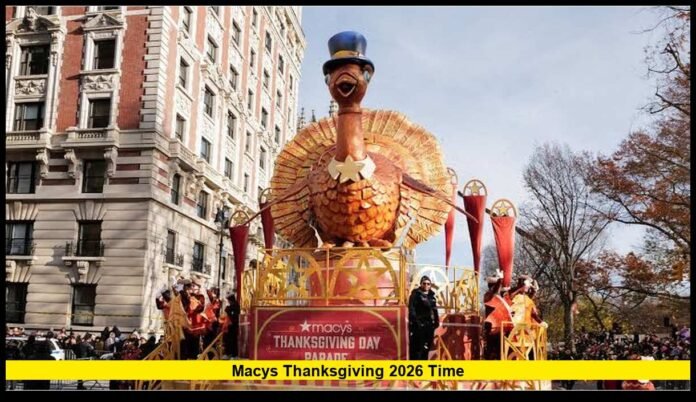

The Macy’s Thanksgiving 2026 time has changed following a major weather-related scheduling decision that affects one of the most recognizable Thanksgiving traditions in the United States. Instead of taking place on Thanksgiving Day, the historic Macy’s Thanksgiving Day Parade is scheduled to be held on Saturday, November 28, 2026, giving spectators and television viewers a new date to plan around.
The change is particularly significant because 2026 marks the parade’s 100th anniversary. The centennial celebration was expected to bring an especially memorable collection of giant balloons, elaborate floats, marching bands, performers, entertainers, and special attractions to New York City. However, dangerous weather conditions prompted organizers and city officials to reconsider the original schedule.
For millions of Americans who traditionally watch the parade while preparing Thanksgiving meals, the announcement means the familiar Thursday morning viewing routine will be different this year. Families planning to travel to New York City, attend the event in person, or watch from home will need to pay attention to the revised schedule.
The parade is now expected to begin at 8:30 a.m. Eastern Time on Saturday, November 28, with the celebration scheduled to continue through approximately noon. The move allows the centennial event to proceed while reducing the risks associated with severe weather expected on the original Thanksgiving date.
Why the Macy’s Thanksgiving Day Parade Was Postponed
The decision to postpone the 2026 parade was driven by weather concerns rather than a change in the event’s overall celebration plans. Forecasts for Thanksgiving Day indicated conditions that could create serious challenges for a large outdoor parade, particularly one featuring enormous helium balloons that require careful handling.
Wind is one of the most important factors organizers consider when determining whether giant parade balloons can safely travel through New York City streets. The balloons are large, highly visible, and vulnerable to strong gusts that can make them difficult for handlers to control. Heavy rain, wind, and potentially hazardous weather conditions can also create risks for performers, marching bands, spectators, workers, and emergency personnel.
The Macy’s Thanksgiving Day Parade is not an ordinary street event. It involves thousands of people moving through a tightly organized route, numerous vehicles, large inflatable characters, floats, performance groups, and extensive television production equipment. Weather conditions that might be manageable for a smaller gathering can become considerably more dangerous when applied to an event of this size.
Officials therefore faced the challenge of balancing the parade’s historical importance with public safety. Because 2026 marks the 100th edition of the celebration, canceling the event entirely would have been an especially disappointing outcome. Moving it to Saturday offered an opportunity to preserve the centennial celebration while allowing weather conditions to improve.
The postponement represents an unusual moment in the parade’s history. The event has endured many different circumstances over the decades, including wartime interruptions and weather-related adjustments. However, a weather-related postponement of the parade itself is an extraordinary development that makes the 2026 celebration particularly memorable.
The New Date for the 100th Macy’s Thanksgiving Day Parade
The parade was originally scheduled to take place on Thursday, November 26, 2026, in keeping with the traditional Thanksgiving Day calendar. That schedule has now been replaced by a Saturday event.
The revised date is Saturday, November 28, 2026. The change gives organizers additional time to prepare for the celebration while allowing the event to take place under conditions considered more suitable for a major outdoor production.
The Saturday scheduling decision also creates a different experience for viewers who have become accustomed to watching the parade during Thanksgiving morning. Traditionally, families turn on television coverage before the holiday meal, allowing the parade to become part of the day’s celebrations. In 2026, the centennial event will instead become a weekend spectacle.
For visitors traveling to New York City, the revised date may require changes to hotel reservations, transportation arrangements, sightseeing plans, and other holiday activities. People who originally planned to arrive for Thanksgiving Day may need to decide whether they can remain in the city until Saturday.
The schedule change could also affect families who were planning to attend the parade before traveling home. Because the event is now taking place two days after Thanksgiving, some visitors may have already made arrangements to leave New York by Friday. Those travelers should carefully review their plans if they hoped to experience the parade in person.
The centennial celebration remains an important milestone for Macy’s and New York City. The revised schedule does not diminish the significance of the event. Instead, the new date gives organizers a chance to continue the celebration while prioritizing the safety of everyone involved.
What Time Does Macy’s Thanksgiving Parade Start in 2026?
The updated parade schedule calls for the celebration to begin at 8:30 a.m. Eastern Time on Saturday, November 28.
The morning start time is similar to the traditional schedule used for previous Thanksgiving Day parades. Starting early allows the parade to travel through Manhattan during the morning hours, giving spectators an opportunity to watch the balloons, floats, marching bands, and performances before the event concludes around midday.
For people watching from home, the revised start time is important because the parade will no longer be airing on its usual Thanksgiving morning schedule. Viewers should check their local television listings and streaming availability before Saturday to ensure they are ready when coverage begins.
New York City is located in the Eastern Time Zone. People living in other parts of the United States should adjust their viewing plans accordingly.
West Coast viewers will need to account for the three-hour time difference. A parade beginning at 8:30 a.m. Eastern Time would begin at 5:30 a.m. Pacific Time. Central Time viewers would see the event begin at 7:30 a.m., while Mountain Time viewers would have an 6:30 a.m. start.
Because broadcast schedules may differ by television provider and platform, viewers should confirm the precise coverage schedule in their area. The parade’s official start time and the beginning of television coverage may not always be identical.
Macy’s Thanksgiving 2026 Time Across U.S. Time Zones
The revised morning schedule means viewers across the country will need to plan around their local time.
The parade’s announced start time is 8:30 a.m. Eastern Time. The corresponding times in the major U.S. time zones are:
- Eastern Time: 8:30 a.m.
- Central Time: 7:30 a.m.
- Mountain Time: 6:30 a.m.
- Pacific Time: 5:30 a.m.
For viewers in Alaska and Hawaii, the time difference is even greater. The parade may begin very early in the morning locally, making it useful to check television schedules for any regional broadcast arrangements or replay options.
The Saturday timing may be particularly convenient for some families because it creates an opportunity to watch the parade without competing with Thanksgiving meal preparation. Other viewers may find the early morning schedule less convenient, especially if they are traveling or recovering from a busy holiday.
Regardless of location, the parade remains a major national entertainment event. The centennial celebration is expected to attract considerable attention from viewers who want to see how Macy’s marks its 100th parade.
Why 2026 Is a Special Year for Macy’s Parade
The 2026 event is not simply another annual parade. It represents the 100th anniversary of the Macy’s Thanksgiving Day Parade, a tradition that has become deeply associated with the American holiday season.
The parade first began in 1924, when Macy’s employees and performers took part in a holiday procession through New York City. The original event was very different from the modern production, but its central purpose was similar: create a festive celebration that would bring people together and attract attention to the holiday season.
Over time, the parade became one of the most recognizable Thanksgiving events in the United States. Its giant character balloons, colorful floats, marching bands, celebrity performances, musical appearances, and Santa Claus finale helped transform it into a nationally televised tradition.
The 100th anniversary gives Macy’s an opportunity to celebrate the history of the parade while introducing new attractions and revisiting some of the most memorable elements from previous years.
The centennial celebration was expected to feature an especially large collection of balloons and entertainment. The event’s significance also extends beyond the department store itself. For New York City, the parade is a major holiday attraction that brings tourists, families, television crews, performers, and spectators into Manhattan.
A century of parades reflects the event’s ability to adapt to changing entertainment trends, technology, cultural interests, and circumstances. The 2026 celebration is another example of how the tradition continues despite unexpected challenges.
How to Watch the Macy’s Thanksgiving Day Parade in 2026
Television remains one of the most popular ways to experience the Macy’s Thanksgiving Day Parade. Millions of viewers watch from home each year because the broadcast provides close-up views of the balloons, floats, performances, marching bands, and other attractions that may be difficult to see from crowded streets.
The 2026 centennial celebration is expected to receive national television coverage, with NBC serving as the primary broadcast destination and Peacock providing a streaming option. Spanish-language viewers are also expected to have coverage through Telemundo.
The Saturday postponement means television viewers should pay particular attention to their local listings. Thanksgiving Day programming schedules were originally built around the Thursday parade, but the live event has been moved. Viewers should confirm the updated Saturday schedule through their television provider or streaming service.
For households that regularly watch the parade, the change may require adjusting familiar routines. Instead of watching while preparing Thanksgiving dinner, families may choose to make the Saturday morning event part of their post-holiday weekend.
The television broadcast also offers advantages for viewers who cannot travel to New York City. Camera coverage can capture the giant balloons from multiple angles, show performers more closely, and provide commentary about the parade’s history and attractions.
People who miss the live broadcast may also want to check whether their streaming platform or television provider offers replay options. Availability and replay timing can vary, so viewers should not assume the same schedule will apply across every service.
What Happened to the Original Thanksgiving Day Broadcast?
The postponement creates a significant change to the traditional television schedule. The parade is normally broadcast live on Thanksgiving morning, making it a central part of holiday programming.
With the 2026 parade moved to Saturday, the original Thursday morning schedule is no longer the live parade event. NBC is expected to provide a replay of the previous year’s parade on Thanksgiving morning rather than airing the 2026 centennial celebration live.
This arrangement allows viewers to maintain some of the familiar Thanksgiving morning entertainment while waiting for the centennial parade to take place later in the week.
The change may be particularly noticeable for families that have watched the parade together for many years. Some viewers may prefer the traditional Thanksgiving morning atmosphere, while others may welcome the opportunity to watch the centennial event without rushing through meal preparations or other holiday responsibilities.
The replay also offers a reminder of how important television has been to the parade’s growth. While the event originally attracted spectators along the streets of Manhattan, television helped turn it into a nationwide tradition that people could enjoy from their living rooms.
The 2026 schedule demonstrates that even a major annual broadcast can be adjusted when circumstances require a different approach.
The Parade Route Through Manhattan
The Macy’s Thanksgiving Day Parade traditionally travels through a major section of Manhattan, giving spectators opportunities to view the procession from several locations along the route.
The route generally begins in the Upper West Side area near Central Park West and proceeds south toward Midtown Manhattan. The parade eventually moves through the central city streets before reaching the area near Macy’s Herald Square, where the celebration concludes.
The route is one of the most recognizable parts of the parade experience. Giant balloons travel above the streets, floats move through the city, and performers interact with spectators gathered along the sidewalks.
The Manhattan setting creates a unique visual experience. The balloons appear against the backdrop of tall buildings, while the parade’s colorful attractions fill the streets with activity. The combination of New York City’s architecture and the parade’s elaborate production has helped make the event one of the most recognizable holiday spectacles in the country.
Spectators who plan to attend should review the latest official route information before traveling. Street closures, viewing areas, access restrictions, and security arrangements may change because of the revised date and other logistical considerations.
The Saturday schedule also means visitors should check transportation information carefully. Public transportation may operate under weekend schedules, and some streets will be closed to vehicles as the parade moves through Manhattan.
The Giant Balloons Remain a Major Attraction
The giant character balloons are among the most recognizable features of the Macy’s Thanksgiving Day Parade. These enormous inflatables have become a defining symbol of the event, attracting attention from spectators and television viewers alike.
Many balloons are based on popular characters from television, movies, animation, comic books, and other entertainment franchises. Their enormous size allows them to rise above the crowds and create a spectacle that is difficult to replicate at other events.
The balloons require extensive preparation. Teams of handlers guide them through the route, and their movement must be coordinated carefully to account for wind, buildings, street conditions, and the surrounding crowd.
Weather is especially important when giant balloons are involved. Strong winds can make balloons difficult to control, potentially creating hazards for handlers, spectators, and nearby structures. Rain and other adverse conditions can also complicate operations.
That is why the weather-related postponement was particularly significant for the 2026 event. The parade’s balloon attractions could not simply be treated like ordinary decorations. Their size and movement require strict safety considerations.
The centennial parade is expected to showcase a large collection of inflatables as part of the milestone celebration. The exact lineup and operational details may be adjusted as organizers prepare for the revised date.
For viewers, the balloons are likely to remain one of the most anticipated parts of the event. Many families have favorite characters that they look forward to seeing each year, while new balloons often attract attention from younger audiences.
Floats, Marching Bands and Musical Performances
The parade is much more than a procession of balloons. Its floats, marching bands, dance groups, performers, musical appearances, and entertainment segments contribute to the overall spectacle.
Floats are designed to create colorful and imaginative scenes that move through the streets of Manhattan. Some feature elaborate decorations, themed structures, characters, and special effects. The designs often reflect popular culture, seasonal themes, entertainment franchises, or creative concepts.
Marching bands from schools and communities across the United States are another important part of the parade. Their performances provide music, movement, and energy throughout the route. For many participating students, appearing in the Macy’s Thanksgiving Day Parade represents a major achievement.
Dance groups, cheerleaders, performance teams, and other entertainers add additional variety. The television broadcast allows viewers to see these performances closely, while spectators along the route experience the excitement as groups pass directly in front of them.
The centennial celebration was expected to include a special lineup of entertainment. However, the revised date could require adjustments to individual performers’ schedules. Viewers should therefore consider the final lineup subject to possible changes.
Even if some elements change, the parade’s central attractions are expected to remain the same: giant balloons, impressive floats, musical performances, marching bands, and a festive celebration designed to mark the holiday season.
The Importance of the Santa Claus Finale
Santa Claus traditionally appears near the end of the Macy’s Thanksgiving Day Parade, providing one of its most recognizable closing moments.
The arrival of Santa is often viewed as the symbolic beginning of the Christmas season. For many families, the parade’s final moments signal that Thanksgiving has passed and holiday celebrations are officially underway.
The Santa finale has become a powerful part of the parade’s identity. Children often look forward to seeing Santa arrive, while adults may associate the moment with memories of watching the parade during their own childhoods.
The 2026 centennial celebration is expected to retain the festive atmosphere that has made the event so popular. Although the date has changed, the parade’s holiday symbolism remains an important part of its appeal.
Because the event is now scheduled for Saturday, the Santa finale will take place later than it traditionally does. That change may give the centennial celebration a different place in the holiday weekend, but it does not remove the tradition’s significance.
What Spectators Should Know Before Attending in New York City
Anyone planning to watch the parade in person should prepare carefully. The event attracts large crowds, and the revised date may affect hotel availability, transportation, and other arrangements.
The most important step is to verify the latest official parade information before heading to Manhattan. Spectators should confirm the start time, route, viewing access, street closures, security procedures, and any restrictions that apply to their preferred viewing location.
Arriving early is generally important for people who want a good view. Popular viewing areas can become crowded well before the parade begins, particularly near major intersections and locations that offer unobstructed views.
Visitors should also consider the weather. Even if the conditions are better than those expected on Thanksgiving Day, late-November temperatures in New York City can be cold. Appropriate clothing, comfortable footwear, and preparation for changing conditions can make a significant difference during a long outdoor wait.
Travelers should think about transportation before arriving. The parade route will involve street closures, and driving directly into the affected areas may be difficult. Public transportation is often a practical option for reaching Manhattan during major events, although visitors should check current service schedules and any changes announced for the parade weekend.
People traveling with children may also want to establish a meeting point in case family members become separated. Large crowds can make it difficult to move quickly, and preparation can help make the experience more comfortable.
The Saturday postponement could create different crowd patterns than the traditional Thanksgiving Day event. Some visitors may be able to attend because they have more flexibility over the weekend, while others may be unable to remain in New York after Thanksgiving.
Spectators should not rely on outdated information from earlier parade schedules. Because the event has been rescheduled, details published before the announcement may no longer reflect the current arrangements.
How the Weather Decision Affects the Centennial Celebration
Weather has always been an important consideration for large outdoor events, but it becomes especially critical when a parade includes enormous balloons, extensive equipment, and thousands of participants.
The Macy’s Thanksgiving Day Parade requires coordination among organizers, city officials, law enforcement, transportation agencies, emergency personnel, television crews, balloon handlers, performers, and many other teams. Every part of the production depends on conditions that allow the event to move safely through the city.
Strong wind gusts can create problems for balloons even when other portions of the parade might still be able to operate. A balloon’s size and surface area make it vulnerable to wind forces. The people holding and guiding the balloons must be able to maintain control as the inflatables move through streets surrounded by buildings.
Rain and potentially flooding conditions can also complicate the event. Wet streets may affect vehicles and equipment, while poor weather can make waiting along the route uncomfortable or unsafe for spectators.
The decision to move the parade reflects the importance of considering the entire production rather than focusing only on whether individual performances could continue. A parade of this scale requires conditions that support the safe movement of all participants and attractions.
By moving the event to Saturday, organizers can preserve the centennial celebration while responding to the weather situation that affected Thanksgiving Day.
A Centennial Event That Will Be Remembered Differently
The 100th Macy’s Thanksgiving Day Parade was expected to be one of the most significant editions in the event’s history. The postponement has added an unexpected chapter to the celebration.
Instead of following the traditional Thanksgiving schedule, the centennial parade will take place during the holiday weekend. That change will likely become part of the event’s historical record, especially because weather-related postponements are extremely unusual for the parade.
The parade has experienced disruptions in the past. During World War II, it was canceled for several years because of wartime conditions. In other years, weather restrictions affected balloons or certain attractions, but the event’s ability to adapt has helped preserve the tradition over many decades.
The 2026 centennial therefore highlights the parade’s history of resilience. A schedule change may alter the timing, but the underlying tradition remains focused on bringing entertainment and holiday excitement to audiences.
The anniversary also provides an opportunity to reflect on how the parade has changed. Its early years were relatively different from today’s television-driven production. Modern audiences expect larger balloons, more elaborate floats, recognizable entertainment personalities, sophisticated broadcasts, and extensive production elements.
Despite those changes, the parade continues to serve a familiar purpose. It provides a public celebration that families can enjoy together and creates a shared holiday experience for people across the country.
Why the Saturday Schedule May Change Family Traditions
For many Americans, Thanksgiving morning has a familiar routine. Families may wake up early, turn on the television, prepare breakfast, begin cooking the holiday meal, and watch the parade while relatives arrive.
The 2026 postponement disrupts that schedule but creates a new opportunity for families to make the centennial parade part of their weekend.
Some households may watch the previous year’s parade replay on Thanksgiving morning before returning to the live centennial celebration on Saturday. Others may choose to record the Saturday broadcast or stream it later if the new schedule conflicts with travel or other commitments.
The change may also create more flexibility for people who traditionally attend Thanksgiving gatherings. Instead of trying to watch the parade and prepare a large meal simultaneously, families could enjoy the event after the holiday dinner has already taken place.
For viewers who live far from New York City, the revised date may not require any changes beyond adjusting the television schedule. For visitors and people attending in person, however, the postponement could have a larger impact on travel plans.
Hotels, transportation arrangements, restaurant reservations, and other holiday activities may need to be reconsidered. Travelers should review cancellation policies and check whether their existing reservations can accommodate the new parade date.
The Macy’s Thanksgiving Day Parade’s Place in American Culture
The parade has become more than a promotional event or holiday procession. It is a tradition that connects generations of viewers.
Parents who watched the parade as children may now watch it with their own children. Grandparents may remember earlier versions of balloons and floats, while younger viewers may recognize characters introduced in more recent years.
The event’s national television coverage allows people in different parts of the country to participate in the same celebration even if they never visit New York City. Families can watch the balloons pass through Manhattan while remaining at home, creating a shared experience that is part of the Thanksgiving holiday for many households.
The parade also reflects the changing nature of American entertainment. Its attractions frequently incorporate characters, franchises, musical performers, and themes that appeal to contemporary audiences. The event can introduce new entertainment while retaining recognizable traditions.
The centennial edition offers a chance to celebrate that evolution. A century of parades demonstrates how an event can remain popular by adapting to changing audiences while preserving the elements that make it distinctive.
The weather-related postponement may be unusual, but it also shows how the parade continues to evolve in response to circumstances. The celebration’s history is not limited to balloons and floats; it also includes the decisions that help keep the event operating safely.
What Viewers Should Expect From the 2026 Centennial Parade
The revised Saturday parade is expected to deliver the major attractions audiences associate with the Macy’s Thanksgiving Day Parade. The centennial celebration is designed to recognize the event’s history while continuing to provide the entertainment that has made it a holiday favorite.
Viewers can expect a combination of giant character balloons, colorful floats, marching bands, musical performances, entertainers, dance groups, and other attractions. The final lineup may be affected by the schedule change, so some details could be adjusted before the event takes place.
The 100th-anniversary celebration also carries additional significance because it marks a major milestone for an event that has remained part of American holiday culture for generations.
The Saturday broadcast will give viewers an opportunity to experience the centennial parade even if they cannot attend in person. For families, it may become a new holiday-weekend tradition, particularly for those who want to enjoy the parade without the pressure of preparing Thanksgiving dinner at the same time.
The weather postponement has changed the calendar, but the parade’s central appeal remains the same. Its combination of spectacle, entertainment, nostalgia, and seasonal excitement continues to attract audiences.
Macy’s Thanksgiving 2026 Time: The Updated Schedule at a Glance
The most important information for viewers is the revised schedule. The centennial parade will not take place on its original Thanksgiving Day date.
- Event: Macy’s Thanksgiving Day Parade 2026
- Edition: 100th anniversary celebration
- Original date: Thursday, November 26, 2026
- New date: Saturday, November 28, 2026
- Start time: 8:30 a.m. Eastern Time
- Expected end time: Approximately noon
- Location: Manhattan, New York City
- Primary television coverage: NBC
- Streaming: Peacock, subject to the updated schedule
- Spanish-language coverage: Telemundo, subject to broadcast arrangements
Viewers should confirm the final television and streaming schedule before Saturday, particularly if they plan to watch through a streaming service or regional television provider.
A Different Thanksgiving Weekend, but the Tradition Continues
The postponement of the 2026 Macy’s Thanksgiving Day Parade has created an unusual situation for one of America’s most familiar holiday traditions. The event will no longer take place on Thanksgiving morning, but the centennial celebration is still scheduled to move forward on Saturday.
The revised Macy’s Thanksgiving 2026 time gives families, visitors, and television audiences a new schedule to follow. With the parade beginning at 8:30 a.m. Eastern Time on November 28, viewers will have an opportunity to experience the 100th anniversary celebration during the holiday weekend.
The change is a reminder that public safety must remain a priority even when an event carries enormous historical and cultural importance. Severe weather can affect large outdoor productions, and organizers must consider the risks to performers, spectators, balloon handlers, employees, and everyone involved in making the parade possible.
For many Americans, the parade will still represent the excitement of the holiday season. Whether watched from the streets of Manhattan or from a television screen at home, the centennial celebration is expected to bring together the familiar sights and sounds that have defined the Macy’s Thanksgiving Day Parade for a century.
The Saturday event may be remembered as an unusual anniversary celebration, but it will also demonstrate the resilience of a tradition that continues to bring people together. The date has changed, the schedule has shifted, and the weather has introduced an unexpected challenge. Yet the celebration itself remains a major part of America’s holiday entertainment calendar.
The 100th Macy’s Thanksgiving Day Parade is now scheduled for Saturday, November 28, 2026, beginning at 8:30 a.m. Eastern Time.