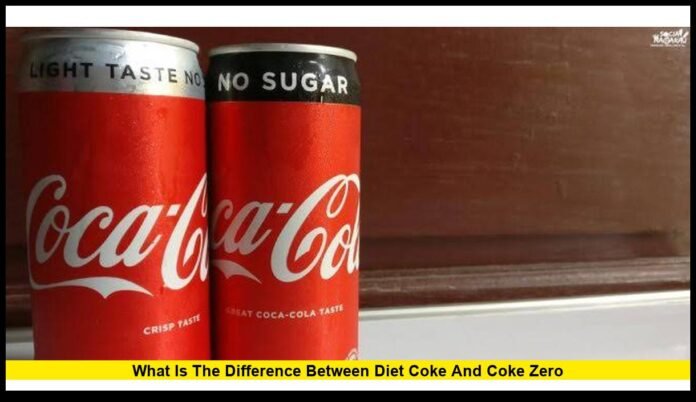

What is the difference between Diet Coke and Coke Zero? Both beverages offer consumers a cola option with zero sugar and zero calories, yet they are formulated to deliver different flavor experiences. Diet Coke has its own recognizable taste that has attracted loyal customers for decades, while Coca-Cola Zero Sugar is designed to resemble the flavor of classic Coca-Cola more closely. Their ingredient combinations and caffeine levels also differ, giving consumers several reasons to choose one over the other.
The distinction is important for shoppers who are comparing sugar-free beverages, looking for alternatives to regular soda, or simply deciding which cola tastes better. Although the nutrition labels are similar in many categories, the beverages are not identical. The sweeteners used, the amount of caffeine in each serving, and the flavor profile are among the most noticeable differences.
Both products continue to occupy an important place in the U.S. soft-drink market. Their zero-sugar positioning appeals to people who want to enjoy a carbonated beverage without consuming the sugar and calories found in traditional Coca-Cola. However, the best choice depends on individual taste, caffeine preferences, and the ingredients consumers want in their drinks.
## Diet Coke and Coca-Cola Zero Sugar Are Different Products
Diet Coke and Coca-Cola Zero Sugar are often placed side by side in grocery-store refrigerators because they share several characteristics. Both are carbonated cola beverages, both contain zero sugar, and both list zero calories per standard serving. Their similarities can make them appear interchangeable, but Coca-Cola created them with different flavor goals.
Diet Coke is a separate diet cola with its own flavor identity. It does not aim to replicate Coca-Cola Original Taste exactly. Instead, it has developed a recognizable taste that many consumers associate specifically with Diet Coke.
Coca-Cola Zero Sugar takes a different approach. The product is designed to deliver a flavor closer to the company’s original cola while removing sugar and calories. This positioning makes it particularly appealing to consumers who enjoy regular Coca-Cola but want a zero-sugar alternative.
The difference in taste is one reason Coca-Cola continues to market both products. Diet Coke serves consumers who prefer its distinctive flavor, while Coke Zero Sugar attracts people who want a more traditional Coca-Cola-style taste.
## The Main Differences at a Glance
Consumers can compare the beverages using several practical categories, including nutrition, sweeteners, caffeine, and flavor.
| Feature | Diet Coke | Coca-Cola Zero Sugar |
|---|---|---|
| Calories per 12-ounce serving | 0 | 0 |
| Sugar per serving | 0 g | 0 g |
| Total carbohydrates | 0 g | 0 g |
| Sodium | 40 mg | 40 mg |
| Caffeine | 46 mg | 34 mg |
| Main sweetener | Aspartame | Aspartame and acesulfame potassium |
| Flavor profile | Distinct Diet Coke flavor | Designed to resemble original Coca-Cola |
| Original launch | 1982 | 2005 as Coca-Cola Zero |
| Name update | Diet Coke | Renamed Coca-Cola Zero Sugar in 2016 |
| Caffeine-free variety | Available | Available |
The comparison shows that the two drinks are nutritionally similar in several major areas. Their calorie and sugar values are identical in a standard serving, while caffeine and sweetener formulation provide clearer differences.
Consumers who choose either beverage to avoid sugar will receive a similar nutritional result. The decision is more likely to depend on taste and other product characteristics.
## Diet Coke Has a Flavor Identity of Its Own
Diet Coke was introduced in 1982 and became one of Coca-Cola’s most recognizable diet beverages. Its flavor was developed as a separate product experience rather than as a direct imitation of traditional Coca-Cola.
The beverage has a taste that longtime consumers often recognize immediately. Some describe it as crisp, lighter, or more distinctive than other diet colas. These descriptions reflect personal preferences, but they help explain why Diet Coke has maintained a loyal customer base.
Many consumers continue purchasing Diet Coke because they enjoy its particular flavor. They may not be looking for a drink that tastes exactly like regular Coca-Cola. Instead, they prefer the taste that Diet Coke has offered throughout its product history.
Its established identity also means that changing to another zero-sugar cola can be noticeable. Someone who regularly drinks Diet Coke may find that Coke Zero Sugar has a different sweetness profile, aftertaste, or overall cola flavor.
For these consumers, Diet Coke’s unique flavor is not a disadvantage. It is one of the reasons they choose the product.
## Coca-Cola Zero Sugar Focuses on the Original Coca-Cola Taste
Coca-Cola Zero Sugar was introduced in 2005 under the name Coca-Cola Zero. It was developed to provide a zero-sugar beverage that closely resembled Coca-Cola Original Taste.
The product’s name changed in 2016 to Coca-Cola Zero Sugar. The updated name emphasized the absence of sugar and reinforced the beverage’s position as an alternative to regular Coca-Cola.
Its central selling point is its flavor positioning. Consumers who want the familiar Coca-Cola taste but do not want sugar may find Coke Zero Sugar more appealing than Diet Coke.
However, the product does not contain the same ingredients as traditional Coca-Cola. Regular Coke uses sugar as its sweetener in the U.S., while Coke Zero Sugar uses high-intensity sweeteners. Those differences mean the taste is not necessarily identical for every consumer.
Some people find Coke Zero Sugar close to the original. Others notice differences in sweetness, mouthfeel, or the way the flavor develops after drinking it.
## Why the Two Products Taste Different
Flavor differences come from more than the name on the package. The sweetener combination, flavor formulation, acidity, and other ingredients all contribute to the taste of a cola.
Diet Coke primarily uses aspartame as its sweetener. Coca-Cola Zero Sugar uses a combination of aspartame and acesulfame potassium, and current U.S. ingredient information also lists stevia extract.
High-intensity sweeteners provide sweetness without the sugar and calories associated with traditional sugar-sweetened beverages. However, different sweeteners can create different flavor characteristics.
Sweetness can be perceived differently depending on the formulation. Some consumers notice differences in the initial taste, while others focus on the aftertaste or the overall balance between sweetness and cola flavor.
The products are also formulated with different flavor goals. Diet Coke maintains its own flavor identity, while Coke Zero Sugar is intended to resemble Coca-Cola Original Taste more closely.
These differences explain why someone may enjoy one beverage but not the other, even though both have zero calories and zero sugar.
## Ingredients Found in Diet Coke
The standard U.S. Diet Coke ingredient list includes carbonated water, caramel color, aspartame, phosphoric acid, potassium benzoate, natural flavors, citric acid, and caffeine.
Each ingredient serves a particular purpose in the beverage.
Carbonated water provides the liquid base and carbonation. The bubbles create the familiar fizzy sensation that consumers expect from cola.
Caramel color gives Diet Coke its dark appearance. Phosphoric acid contributes acidity and helps establish the beverage’s flavor profile.
Aspartame supplies sweetness without adding the sugar or calories found in conventional sweetened soda. Natural flavors contribute to the cola taste, while citric acid adds to the beverage’s acidic balance.
Potassium benzoate is used as a preservative to help protect the product’s taste. Caffeine is included in the standard version and contributes to the beverage’s stimulating effect.
The formulation allows Diet Coke to deliver a sweet cola experience without sugar. Consumers who want the product without caffeine can purchase the separately marketed caffeine-free version.
Ingredient information may be updated over time, so shoppers should review the label on the specific package they buy.
## Ingredients Found in Coca-Cola Zero Sugar
Coca-Cola Zero Sugar has a different ingredient combination that supports its flavor formulation.
The standard U.S. ingredient information includes carbonated water, caramel color, phosphoric acid, aspartame, potassium benzoate, natural flavors, potassium citrate, acesulfame potassium, caffeine, and stevia extract.
Carbonated water creates the drink’s fizz. Caramel color gives it the familiar dark cola appearance, while phosphoric acid contributes to its acidic flavor.
Aspartame and acesulfame potassium are high-intensity sweeteners used in the zero-sugar formulation. Stevia extract is also listed in the current U.S. ingredient information.
Potassium citrate is included in the formulation, while natural flavors contribute to the overall cola taste. Potassium benzoate helps protect the product’s taste, and caffeine is present in the standard caffeinated version.
The different sweetener combination is an important formulation distinction between Coke Zero Sugar and Diet Coke.
Consumers who have ingredient preferences or dietary restrictions should read the label rather than assume that both products have identical ingredients.
## Aspartame and Other Sweeteners Explained
Aspartame is the primary sweetener in Diet Coke and is also included in Coca-Cola Zero Sugar. It is a high-intensity sweetener that provides sweetness in relatively small quantities.
Coke Zero Sugar also uses acesulfame potassium. This ingredient is another high-intensity sweetener used in many food and beverage products. The product’s sweetener combination contributes to its flavor profile.
The use of high-intensity sweeteners allows both beverages to provide sweetness without adding sugar. This is the main reason they can have zero calories and zero grams of sugar in their standard nutrition information.
Consumers may notice that beverages made with different sweetener combinations have different tastes. Sweetener formulation can affect how sweetness is experienced and how the flavor remains after swallowing.
People who prefer one product over another may be responding to these differences, even if they cannot identify the specific ingredient responsible.
## Caffeine Content: Diet Coke Has More
Caffeine is a practical difference for consumers who drink soda regularly.
A standard 12-ounce Diet Coke contains approximately 46 milligrams of caffeine. Coca-Cola Zero Sugar contains approximately 34 milligrams in the same serving size.
| Beverage | Caffeine per 12 ounces |
|---|---|
| Diet Coke | 46 mg |
| Coca-Cola Zero Sugar | 34 mg |
| Difference | 12 mg |
Diet Coke therefore contains approximately 12 milligrams more caffeine than Coke Zero Sugar in a standard 12-ounce serving.
The difference may be relevant for people who drink several cans a day or who are trying to monitor caffeine intake. Consumers who also drink coffee, tea, energy drinks, or other caffeinated beverages should consider their total consumption.
Caffeine sensitivity varies among individuals. Some people may notice effects from relatively modest amounts, while others may consume caffeine without experiencing noticeable changes.
Neither standard product is caffeine-free. Consumers who want to avoid caffeine should select the specific caffeine-free product.
## Nutrition Facts Are Nearly Identical
The nutrition comparison is one of the simplest aspects of the two beverages.
Both Diet Coke and Coca-Cola Zero Sugar list zero calories, zero grams of sugar, zero grams of total carbohydrates, zero grams of fat, and zero grams of protein in a standard 12-ounce serving.
Both also list approximately 40 milligrams of sodium per 12-ounce serving.
| Nutrition information | Diet Coke | Coke Zero Sugar |
|---|---|---|
| Serving size | 12 oz | 12 oz |
| Calories | 0 | 0 |
| Total fat | 0 g | 0 g |
| Sodium | 40 mg | 40 mg |
| Total carbohydrates | 0 g | 0 g |
| Total sugars | 0 g | 0 g |
| Added sugars | 0 g | 0 g |
| Protein | 0 g | 0 g |
The figures make clear that neither product has a calorie or sugar advantage over the other.
Consumers choosing a zero-sugar cola to reduce sugar from beverages can select either product. The nutrition labels show the same basic calorie and sugar values for a standard serving.
Serving size remains important. A larger bottle contains more beverage than a standard 12-ounce can, so consumers should consider the amount they actually drink.
## Can Either Drink Help Reduce Sugar Consumption?
Both beverages can provide an alternative to sugar-sweetened soda for consumers who want to reduce sugar from their drinks.
Regular Coca-Cola contains sugar and calories, while Diet Coke and Coke Zero Sugar use high-intensity sweeteners. Replacing a sugar-sweetened beverage with a zero-sugar option can reduce the sugar and calories consumed from that particular drink.
However, the choice between Diet Coke and Coke Zero Sugar does not produce a major difference in sugar or calorie intake because both contain zero sugar and zero calories per standard serving.
The beverages should not be viewed as substitutes for a balanced diet. They do not provide meaningful amounts of fiber, protein, or essential nutrients.
Water and other unsweetened beverages remain useful choices for everyday hydration. Consumers can include zero-sugar soda in their beverage preferences while considering their overall dietary habits.
## What Consumers Should Know About Aspartame and PKU
Both products contain aspartame, which means they contain phenylalanine.
People with phenylketonuria, or PKU, have a genetic condition that affects the body’s ability to process phenylalanine. Individuals with PKU must follow specific dietary restrictions to manage the condition.
Aspartame-containing products carry warnings for people with PKU. Both Diet Coke and Coca-Cola Zero Sugar include information identifying phenylalanine.
Consumers with PKU should follow their medical dietary instructions and avoid products that conflict with those restrictions.
People who have questions about artificial sweeteners or their individual dietary needs can discuss them with a qualified healthcare professional.
## Caffeine-Free Versions Offer Another Choice
Diet Coke and Coca-Cola Zero Sugar are both available in caffeine-free versions in the U.S. market.
Caffeine-free Diet Coke provides the Diet Coke flavor without caffeine. Caffeine-free Coca-Cola Zero Sugar offers the zero-sugar Coca-Cola-style flavor without caffeine.
These products can appeal to consumers who want to avoid caffeine or who prefer to limit their intake later in the day.
The caffeine-free products are separate formulations. Shoppers should look for the caffeine-free label when purchasing rather than assume the standard zero-sugar products contain no caffeine.
## Which Beverage Should Consumers Choose?
Diet Coke may be the better choice for consumers who prefer its distinctive flavor. Its taste is different from regular Coca-Cola, and many people choose it specifically because they enjoy that unique profile.
Coca-Cola Zero Sugar may appeal to consumers who want a zero-sugar cola that resembles the taste of original Coca-Cola more closely. Its formulation is designed around that flavor goal.
Caffeine may also affect the decision. Diet Coke contains more caffeine per 12-ounce serving than Coke Zero Sugar. Consumers looking for slightly less caffeine may prefer Coke Zero Sugar, although the difference is modest.
People who want no caffeine should consider the caffeine-free versions of either beverage.
Ingredient preferences can also play a role. Diet Coke primarily uses aspartame, while Coke Zero Sugar uses a combination of sweeteners. Consumers who want to compare the formulations should review the ingredient labels carefully.
## Availability and Packaging in the U.S. Market
Both beverages remain widely available across the United States through supermarkets, convenience stores, grocery retailers, restaurants, vending machines, and other outlets.
Coca-Cola sells the products in different package formats, including individual cans, bottles, multipacks, and larger containers. Availability and package sizes can vary by retailer and region.
Consumers may also find caffeine-free products in selected stores. The exact packaging and availability may depend on local distribution.
The products are not limited to one type of consumer or occasion. Some people purchase individual bottles for convenience, while others buy multipacks for home use.
Their continued availability gives consumers the opportunity to choose based on flavor preference, package size, and product formulation.
## The Final Comparison: Similar Nutrition, Different Experience
Diet Coke and Coca-Cola Zero Sugar share the most important nutritional characteristics. Both contain zero sugar and zero calories in a standard 12-ounce serving, and their sodium values are similar.
Their differences are more noticeable in taste, ingredients, and caffeine content. Diet Coke has a distinctive flavor that has developed a loyal audience since its introduction in 1982. Coke Zero Sugar was introduced in 2005 and is designed to deliver a taste closer to Coca-Cola Original Taste.
Diet Coke contains approximately 46 milligrams of caffeine per 12 ounces, while Coke Zero Sugar contains approximately 34 milligrams. Their sweetener formulations also differ, with Diet Coke primarily using aspartame and Coke Zero Sugar using a combination of sweeteners.
For consumers, the choice does not need to be complicated. Those who enjoy Diet Coke’s flavor may prefer to continue drinking it, while people seeking a zero-sugar cola closer to original Coca-Cola may choose Coke Zero Sugar.
Ultimately, both beverages offer a zero-sugar cola option, and the best choice comes down to personal taste, caffeine preference, and the ingredients that consumers feel comfortable choosing.
Meta Description: Compare Diet Coke and Coke Zero by taste, ingredients, caffeine, calories, sweeteners, nutrition facts, and availability.
Tags: Diet Coke, Coke Zero, Coca-Cola Zero Sugar, Diet Coke vs Coke Zero, zero sugar soda, cola comparison, caffeine content, artificial sweeteners, nutrition facts, Coca-Cola, NGos.# Diet Coke and Coke Zero: How Two Sugar-Free Colas Offer Different Experiences
Diet Coke and Coke Zero Sugar have become two familiar choices for Americans who want a cola without sugar, but their differences go beyond the names printed on the cans. Both products contain zero calories and zero grams of sugar per standard 12-ounce serving. Their taste profiles, sweetener combinations, and caffeine levels, however, create different experiences for consumers.
Diet Coke has a flavor identity that has remained recognizable since its introduction in 1982. Coca-Cola Zero Sugar entered the market later, with a specific focus on reproducing the taste of original Coca-Cola without sugar. That distinction helps explain why consumers may enjoy one product while finding the other less appealing.
For shoppers, understanding the difference can make the decision easier. The nutrition labels are similar, but the flavor and formulation details may influence which beverage becomes a regular purchase.
## The Taste Difference Is the Most Important Distinction
For many consumers, taste is the reason they choose Diet Coke or Coke Zero Sugar. The two beverages are not designed to taste exactly alike, despite sharing a zero-sugar and zero-calorie profile.
Diet Coke is known for its lighter, distinctive flavor. It has a taste that stands apart from Coca-Cola Original Taste and has built a following among consumers who prefer that particular diet-cola experience.
Coca-Cola Zero Sugar, by comparison, is positioned around a flavor closer to traditional Coca-Cola. The company created the product to offer the familiar cola experience without the sugar found in the original beverage.
This does not mean every consumer will agree that Coke Zero Sugar tastes exactly like regular Coke. The products use different sweeteners from the sugar found in the original formula. That can affect sweetness, flavor balance, aftertaste, and the overall sensation of drinking the beverage.
Some consumers may find Coke Zero Sugar a closer match to regular Coca-Cola. Others may prefer Diet Coke because its flavor is familiar and unique.
The taste distinction is subjective. The best way to decide between the two is to compare them directly, preferably chilled and served in the same type of glass or container.
## Diet Coke’s Longstanding Position in the American Soda Market
Diet Coke arrived in 1982 and established a place in the soft-drink market as a diet cola with a flavor identity separate from traditional Coca-Cola.
The product’s history is important because it explains why Diet Coke continues to have a dedicated audience. It was not introduced simply as a temporary alternative or a renamed version of another beverage. It developed its own brand recognition, taste expectations, and customer loyalty.
Consumers who have purchased Diet Coke for many years may associate its flavor with everyday routines, meals, social occasions, or personal preferences. For those customers, the beverage’s distinct taste is part of its appeal.
The brand continues to be sold in the United States in different package formats. Retailers commonly carry cans, bottles, multipacks, and larger containers, although the exact selection can vary.
Diet Coke also has caffeine-free options for consumers who want to retain its flavor while avoiding caffeine.
Its longstanding presence means that many consumers do not compare Diet Coke with other beverages solely on nutritional values. They may simply prefer its taste and continue buying it because it meets their expectations.
## Coca-Cola Zero Sugar Was Created for a Different Consumer Preference
Coca-Cola Zero was introduced in 2005. In 2016, the company changed its name to Coca-Cola Zero Sugar, emphasizing the product’s sugar-free positioning.
The beverage was designed to deliver a flavor closer to Coca-Cola Original Taste without the sugar and calories. That goal distinguishes it from Diet Coke, which maintains its own taste profile.
Coke Zero Sugar is particularly relevant to consumers who enjoy traditional Coca-Cola but are looking for a zero-sugar alternative. Its branding and formulation focus on providing a familiar cola-style experience.
However, the beverage does not contain the same sweetener used in regular Coca-Cola. In the United States, original Coca-Cola is sweetened with high-fructose corn syrup, while Coke Zero Sugar uses high-intensity sweeteners.
Consequently, the taste may be similar for some consumers but not identical. People may notice different sweetness characteristics, mouthfeel, or aftertaste.
The product’s positioning is clear: it is intended to provide a Coca-Cola-style flavor without sugar, rather than simply being another version of Diet Coke.
## Sweetener Formulation Helps Explain the Flavor Difference
The sweeteners used in the two beverages are an important part of their formulation.
Diet Coke uses aspartame as its primary sweetener in the standard U.S. product. Coca-Cola Zero Sugar uses a blend that includes aspartame and acesulfame potassium. The current U.S. ingredient information also lists stevia extract in the standard formulation.
These ingredients allow the beverages to provide sweetness without sugar. High-intensity sweeteners can deliver a sweet taste using smaller quantities than conventional sugar.
However, sweeteners do not necessarily taste identical. Their characteristics can influence how sweetness is perceived, how the flavor develops, and what consumers experience after swallowing.
The different formulations help Coca-Cola maintain separate taste profiles for Diet Coke and Coke Zero Sugar.
Consumers who prefer a particular beverage may not be able to identify the precise ingredient responsible for the difference. Nevertheless, the sweetener combination is one factor that distinguishes the two products.
Ingredient labels are useful for shoppers who want to compare the formulations directly. The labels also provide important information for people who have dietary restrictions or need to avoid particular ingredients.
## What Is in a Standard Can of Diet Coke?
The standard U.S. Diet Coke ingredient list includes carbonated water, caramel color, aspartame, phosphoric acid, potassium benzoate, natural flavors, citric acid, and caffeine.
Each ingredient has a role in the beverage’s overall formulation.
Carbonated water provides the base and the bubbles that create its familiar fizzy texture. Caramel color gives the soda its dark appearance, while phosphoric acid contributes to the acidic flavor balance.
Aspartame provides sweetness without adding sugar or calories. Natural flavors contribute to the cola taste, while citric acid adds acidity to the formulation.
Potassium benzoate is used to protect the beverage’s taste. Caffeine is included in the standard version and contributes to its characteristic flavor and stimulating effect.
The combination creates the distinctive Diet Coke experience. While some ingredients also appear in Coca-Cola Zero Sugar, the overall formulations are different.
Consumers can review the ingredient list on the can or bottle for the product they purchase. That is particularly important because ingredient declarations can be updated and may differ among product varieties.
## Coca-Cola Zero Sugar Has a Different Ingredient Combination
Coca-Cola Zero Sugar shares some ingredients with Diet Coke, but its standard U.S. ingredient list includes additional components.
The ingredients include carbonated water, caramel color, phosphoric acid, aspartame, potassium benzoate, natural flavors, potassium citrate, acesulfame potassium, caffeine, and stevia extract.
The product uses aspartame and acesulfame potassium as part of its sweetener combination. Stevia extract is also included in the current U.S. formulation listed by Coca-Cola.
Potassium citrate is another ingredient that appears in Coke Zero Sugar’s formulation. The product’s other components contribute to its appearance, flavor, acidity, carbonation, and taste protection.
Although the ingredient lists share several components, the different sweetener combination and formulation help explain why Coke Zero Sugar has its own flavor profile.
Consumers who want to compare ingredients should examine the labels rather than rely on the product names. A beverage marketed as zero sugar does not necessarily use the same sweeteners as another zero-sugar product.
## Caffeine Content Could Matter to Regular Soda Drinkers
Caffeine provides another measurable difference between Diet Coke and Coke Zero Sugar.
A 12-ounce can of Diet Coke contains approximately 46 milligrams of caffeine. A 12-ounce can of Coca-Cola Zero Sugar contains approximately 34 milligrams.
The difference is 12 milligrams per standard serving.
| Product | Caffeine in 12 ounces |
|---|---|
| Diet Coke | 46 mg |
| Coca-Cola Zero Sugar | 34 mg |
| Difference | 12 mg |
For someone drinking a single can, the difference may not be especially significant. However, consumers who drink several servings daily may want to consider it.
Caffeine consumption can add up across beverages. Coffee, tea, energy drinks, chocolate, and other sodas may also contribute to daily caffeine intake.
People respond to caffeine differently. Some are more sensitive to its effects, while others may not notice the same response from similar amounts.
Diet Coke’s higher caffeine content may appeal to people who prefer its flavor and do not mind the difference. Consumers looking for slightly less caffeine in their cola may choose Coke Zero Sugar.
The amount should not be confused with a caffeine-free product. Both standard beverages contain caffeine.
## Caffeine-Free Products Provide an Alternative
Consumers who prefer avoiding caffeine can choose caffeine-free versions of both products.
Caffeine-Free Diet Coke is sold as a separate product. It retains the Diet Coke flavor profile while removing caffeine from the formulation.
Coca-Cola Zero Sugar Caffeine Free is also available. It offers the zero-sugar cola experience without caffeine.
These alternatives can be useful for consumers who want to limit caffeine throughout the day or prefer a beverage without it during evening hours.
The caffeine-free versions are distinct products. Shoppers should look for the specific caffeine-free label when purchasing because the standard Diet Coke and Coke Zero Sugar products contain caffeine.
Package availability may vary by retailer and region, so consumers may find different sizes or product formats depending on where they shop.
## Nutrition Facts: Both Products Deliver Zero Calories and Sugar
The standard nutrition labels show that Diet Coke and Coke Zero Sugar are very similar in their major nutritional categories.
A 12-ounce serving of either beverage lists:
- Zero calories
- Zero grams of total fat
- Zero grams of total carbohydrates
- Zero grams of sugar
- Zero grams of added sugar
- Zero grams of protein
- Approximately 40 milligrams of sodium
Coca-Cola Zero Sugar also lists approximately 60 milligrams of potassium per 12-ounce serving, while Diet Coke does not provide a significant amount of potassium on its standard nutrition label.
The nutritional comparison is straightforward. Both drinks provide a sugar-free and calorie-free cola option in the standard serving size.
Consumers who choose one beverage over the other for calorie reduction do not receive a major advantage from selecting Diet Coke rather than Coke Zero Sugar, or vice versa.
The labels are nearly identical in the main categories that consumers often check when comparing diet beverages.
## Why Zero Calories Does Not Mean a Beverage Is Nutritionally Complete
The zero-calorie designation is useful for consumers who want to compare energy intake from beverages. However, it does not mean the drink provides the nutrients found in water, milk, or other beverages with nutritional value.
Diet Coke and Coca-Cola Zero Sugar are primarily beverages for refreshment and enjoyment. They do not provide meaningful amounts of fiber, protein, vitamins, or minerals.
Consumers can include zero-sugar sodas in their beverage preferences, but the drinks should not replace water or other beverages that contribute to hydration and nutrition.
The products also do not automatically make a person’s overall diet healthier. Dietary habits involve the full range of food and drink consumed throughout the day.
For shoppers who are reducing sugar from beverages, both products offer the same basic benefit. Their zero-sugar labels allow consumers to select a cola without the sugar content found in traditional Coca-Cola.
## How the Two Colas Compare With Regular Coca-Cola
Regular Coca-Cola contains sugar and calories, unlike Diet Coke and Coke Zero Sugar.
A standard 12-ounce can of Coca-Cola Original Taste contains approximately 39 grams of sugar and 140 calories. Diet Coke and Coca-Cola Zero Sugar list zero sugar and zero calories per standard serving.
This difference is one reason zero-sugar colas appeal to consumers who want to reduce sugar from beverages.
Replacing a sugar-sweetened soda with a zero-sugar option can reduce the sugar and calories consumed from that particular drink. However, the nutritional difference between Diet Coke and Coke Zero Sugar themselves is minimal in terms of calories and sugar.
The two products therefore serve a similar purpose for consumers seeking sugar-free cola. Their main distinctions are flavor, sweeteners, caffeine, and individual preferences.
Consumers should consider their overall dietary habits rather than treating a particular soda as a weight-management solution.
## Weight Management and Everyday Beverage Choices
Diet Coke and Coca-Cola Zero Sugar are often considered by consumers who want to reduce calories from beverages. Because both contain zero calories per standard serving, neither has a clear calorie advantage over the other.
Someone replacing regular soda with either product may reduce the calories and sugar consumed from drinks. That change can be part of an overall dietary approach, but it does not determine weight changes by itself.
Weight management depends on many factors, including overall food intake, physical activity, sleep, health conditions, and individual circumstances.
Diet Coke and Coke Zero Sugar are not marketed as weight-loss treatments. They are zero-sugar beverages that provide an alternative to traditional sugar-sweetened cola.
For consumers deciding between them, the choice is more practical than nutritional. The product they prefer in taste may be the one they are more likely to select consistently.
## Aspartame and Dietary Considerations
Aspartame is used in both Diet Coke and Coca-Cola Zero Sugar. It is a high-intensity sweetener that provides sweetness without the sugar and calories associated with traditional sweetened soda.
Aspartame is permitted for use in foods and beverages under established U.S. regulatory conditions. Consumers may encounter it in several diet and reduced-sugar products.
People with phenylketonuria, or PKU, need special dietary guidance because aspartame contains phenylalanine. Both Diet Coke and Coke Zero Sugar include warnings identifying phenylalanine.
Individuals with PKU should follow their prescribed dietary restrictions and carefully check product labels.
Consumers who have questions about sweeteners or how a product fits their individual dietary needs can discuss them with a healthcare professional.
## Packaging and Availability Across the United States
Both beverages are available in a range of package sizes across the U.S. market. Depending on the retailer, shoppers may find individual cans, bottles, multipacks, and larger containers.
Smaller cans may suit consumers who want a more limited serving, while larger bottles can be convenient for home use. Multipacks are also common for consumers who regularly purchase one of the beverages.
Availability can vary by store, region, and package format. Some retailers may stock more sizes of Diet Coke than Coke Zero Sugar, while others may offer a wider range of Coke Zero Sugar packages.
Caffeine-free versions are also available separately, although product selection can vary.
Consumers comparing products should check the package size, ingredient list, and nutrition label. A larger container represents a different amount of beverage than a standard 12-ounce can, so comparisons should use equivalent serving sizes.
## The Consumer Choice Comes Down to Flavor and Preference
Diet Coke may be the preferred option for someone who enjoys its lighter, distinctive flavor. Its taste has developed a loyal following, and some consumers specifically seek out Diet Coke rather than other diet colas.
Coca-Cola Zero Sugar may be more appealing to someone who wants a zero-sugar beverage with a flavor closer to traditional Coca-Cola. The product’s formulation and marketing focus on that familiar cola experience.
Caffeine can influence the decision as well. Diet Coke contains approximately 46 milligrams per 12-ounce serving, compared with 34 milligrams in Coke Zero Sugar.
Consumers who want no caffeine can select a caffeine-free version of either product.
Ingredient preferences may also matter. Diet Coke primarily uses aspartame, while Coke Zero Sugar uses a combination of sweeteners. Those differences may contribute to the flavor distinction that consumers notice.
## The Bottom Line on Diet Coke and Coke Zero Sugar
Diet Coke and Coca-Cola Zero Sugar have similar nutrition profiles, but their taste and formulations are different. Both contain zero calories and zero sugar per standard 12-ounce serving, making them alternatives to traditional sugar-sweetened cola for consumers seeking to reduce sugar from beverages.
Diet Coke has a lighter, distinctive flavor and contains approximately 46 milligrams of caffeine per 12 ounces. Coke Zero Sugar is designed to resemble Coca-Cola Original Taste more closely and contains approximately 34 milligrams of caffeine per 12-ounce serving.
Their sweetener formulations also differ. Diet Coke primarily uses aspartame, while Coke Zero Sugar uses aspartame and acesulfame potassium, with stevia extract listed in its current U.S. ingredient information.
Neither product is universally better. The decision depends on which flavor consumers prefer, how much caffeine they want, and their ingredient considerations.
For cola fans, the best choice is ultimately the one that delivers the flavor they enjoy most—whether that is Diet Coke’s distinctive taste or the more traditional Coca-Cola-style experience offered by Coke Zero Sugar.