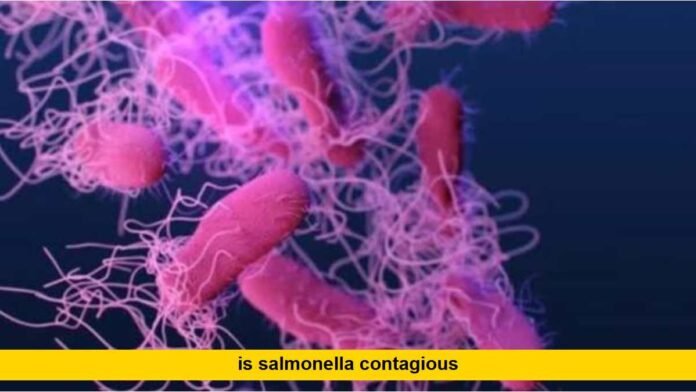

Salmonella is a bacterial infection that can cause diarrhea, fever, stomach cramps, nausea, and other digestive symptoms. Is salmonella contagious? Yes, the bacteria can spread from an infected person to another person, especially when contaminated hands, food, or surfaces allow bacteria to enter someone’s mouth. While contaminated food remains a major source of infection, direct and indirect transmission can also happen in homes, childcare facilities, schools, and other shared environments.
Salmonella infections can affect anyone, regardless of age or general health. Many people recover within several days, but the illness can sometimes become severe, particularly among infants, older adults, and people with weakened immune systems. Knowing how the bacteria spread, how long a person may remain infectious, and what steps to take during recovery can help reduce the risk of passing the infection to others.
What Is Salmonella Infection?
Salmonella is a group of bacteria that can infect the intestinal tract and cause an illness called salmonellosis. The bacteria are commonly found in the intestinal systems of humans and animals and can be released through feces. When the bacteria contaminate food, water, hands, or surfaces, people may become infected after accidentally swallowing them.
Salmonella is one of the common causes of bacterial foodborne illness in the United States. Infections can occur after eating contaminated foods, drinking contaminated water, or having contact with infected animals. The bacteria may also spread between people when hygiene practices are inadequate.
Not every Salmonella infection produces noticeable symptoms. Some people develop significant diarrhea and fever, while others may experience mild illness or remain unaware that they are infected. Even when symptoms are limited or absent, an infected person may still shed bacteria through their stool.
This makes hygiene particularly important because someone who feels healthy may unknowingly contaminate food or household surfaces.
How Does Salmonella Spread?
Salmonella primarily spreads through the fecal-oral route. This means bacteria from the feces of an infected person or animal can enter another person’s mouth. Transmission may happen through contaminated food, water, hands, objects, or contact with animals.
Contaminated food is a major source
Food contamination is one of the most common ways people acquire Salmonella. Bacteria may contaminate food during farming, processing, transportation, storage, or preparation.
Foods that may be associated with Salmonella infection include raw or undercooked poultry, eggs, meat, unpasteurized milk, contaminated produce, sprouts, and foods that have come into contact with contaminated surfaces.
Food does not necessarily look spoiled when it contains Salmonella. It may appear normal, smell fresh, and taste unchanged. This is why safe cooking temperatures, refrigeration, and proper food-handling practices are more reliable than appearance or smell.
Person-to-person transmission
Salmonella can spread between people when bacteria from an infected person’s stool contaminate their hands and subsequently reach another person’s mouth.
For example, someone who has diarrhea may use the bathroom, fail to wash their hands adequately, and then touch a kitchen surface, prepare food, or handle shared objects. Another person may become infected after touching the contaminated item and then eating without washing their hands.
Transmission may also occur when caregivers change diapers, assist someone with bathroom activities, or clean contaminated areas without following appropriate hygiene procedures.
Contaminated surfaces and household objects
Salmonella can contaminate surfaces and objects, especially when they come into contact with infected stool, raw food, animal waste, or contaminated liquids.
Bathroom fixtures, toilet handles, faucets, door handles, kitchen counters, cutting boards, utensils, and refrigerator surfaces may become contaminated.
People can reduce their risk by cleaning and disinfecting frequently touched areas, washing their hands regularly, and keeping food-preparation areas clean.
Contact with animals
Animals may carry Salmonella without showing signs of illness. Poultry, reptiles, amphibians, cattle, and other animals can carry bacteria in their intestinal systems.
Infection may occur after touching an animal, its feces, cage, bedding, feeding equipment, tank, or other contaminated materials. Small reptiles, turtles, snakes, lizards, and backyard poultry are particularly important sources of potential exposure.
Handwashing after touching animals or cleaning their habitats is essential, even when the animals appear healthy.
What Are the Symptoms of Salmonella?
Salmonella infection usually affects the digestive system. Symptoms may begin within hours or several days after exposure, and their severity can vary from person to person.
Common symptoms include:
- Diarrhea.
- Fever.
- Stomach cramps.
- Nausea.
- Vomiting.
- Headache.
- Weakness and fatigue.
- Loss of appetite.
Some people may develop more severe symptoms, including bloody diarrhea, intense abdominal pain, or dehydration. The illness can be particularly difficult for people who already have underlying health conditions.
Because symptoms can resemble those caused by other gastrointestinal infections, it may not be possible to identify Salmonella based on symptoms alone. Medical testing may be necessary to confirm the infection.
When Do Symptoms Usually Begin?
Symptoms commonly develop within approximately 12 to 72 hours after infection, although the timing can vary. A person may not immediately realize that a particular meal, animal contact, or other exposure caused the illness.
In many cases, the infection lasts around four to seven days. Some people may recover sooner, while others may experience symptoms for longer.
Diarrhea and vomiting can cause substantial fluid loss. Drinking fluids and monitoring for dehydration are important during recovery.
How Long Can Someone With Salmonella Spread the Infection?
A person may continue to spread Salmonella while bacteria are being released in their stool. The risk is generally greatest when someone has active diarrhea because bacteria can contaminate hands, bathroom surfaces, clothing, and other objects.
However, the end of symptoms does not necessarily mean that the bacteria have completely disappeared from the body.
Some people may continue shedding Salmonella for days or weeks after they feel better. Young children may sometimes shed bacteria for longer periods. For this reason, handwashing and careful hygiene should continue after diarrhea has stopped.
People who work in food service, healthcare, childcare, or other environments involving close contact or food preparation may need to follow specific workplace or public health requirements before returning.
Can Someone Spread Salmonella Without Feeling Sick?
Yes. Some infected people may experience mild symptoms or no noticeable symptoms at all. Nevertheless, they may still carry and shed bacteria in their stool.
This creates a potential transmission risk because an individual may continue with normal daily activities without realizing that they are infected.
For example, an asymptomatic person could contaminate food while preparing a meal if they do not wash their hands thoroughly after using the bathroom. People eating that food may subsequently become infected.
The possibility of asymptomatic transmission reinforces the importance of routine handwashing and safe food handling, regardless of whether someone feels ill.
Who Is Most Vulnerable to Severe Salmonella Illness?
Most people recover from Salmonella infection, but certain groups have a greater risk of serious illness or complications.
Higher-risk individuals include:
- Infants and young children.
- Adults aged 65 and older.
- People with weakened immune systems.
- Individuals with certain chronic medical conditions.
- People who may be more vulnerable to dehydration.
Children and infants
Young children can become dehydrated quickly because diarrhea and vomiting may cause significant fluid loss. Parents and caregivers should monitor children for reduced urination, dry mouth, unusual sleepiness, dizziness, and a lack of tears when crying.
Infants and young children with suspected Salmonella infection should receive medical advice, particularly if they have persistent diarrhea, fever, vomiting, or signs of dehydration.
Older adults and people with weakened immune systems
Older adults and people with weakened immune systems may have a greater risk of complications. In some cases, Salmonella can move beyond the intestines and enter the bloodstream, potentially causing serious illness.
People in these groups should seek medical advice if they develop concerning symptoms rather than waiting for the infection to improve.
How to Prevent Salmonella From Spreading at Home
When someone has Salmonella, household members can take several practical steps to lower the chance of infection.
Wash hands with soap and water
Handwashing is one of the most effective ways to prevent the spread of bacteria. Wash hands thoroughly for at least 20 seconds, particularly:
- After using the bathroom.
- After changing diapers.
- Before eating or preparing food.
- After handling raw meat, poultry, or eggs.
- After touching animals or animal habitats.
- After cleaning contaminated surfaces.
Hands should be washed carefully, including the palms, backs of the hands, fingertips, areas around the nails, and between the fingers.
Avoid preparing food for others while sick
Anyone experiencing diarrhea or other active gastrointestinal symptoms should avoid preparing or serving food to others.
An infected person may unintentionally transfer bacteria from their hands to food, utensils, kitchen counters, or containers. If possible, another household member should handle meal preparation until the sick person has recovered.
Clean bathroom and kitchen surfaces
Frequently touched surfaces may become contaminated during illness. Clean and disinfect bathroom fixtures, toilet handles, faucets, door handles, countertops, kitchen surfaces, and other shared objects.
Use cleaning and disinfecting products according to their instructions, including recommended contact times.
Handle laundry and personal items carefully
Wash clothing, towels, and other items that may have been contaminated with stool or other bodily fluids.
Avoid sharing towels and washcloths during illness. Keep contaminated items away from food-preparation areas and wash hands after handling them.
Take care during diaper changes
Diaper-changing areas can become contaminated with Salmonella. Caregivers should wash their hands before and after diaper changes, clean the changing surface, dispose of diapers properly, and avoid touching food until their hands have been washed.
How to Reduce the Risk of Salmonella From Food
Food safety remains an important part of preventing infection.
Cook poultry, meat, eggs, and other foods thoroughly. Use a food thermometer when appropriate instead of relying only on appearance. Keep raw meat and poultry separate from ready-to-eat foods to prevent cross-contamination.
Wash fruits and vegetables under clean running water before eating or preparing them. Refrigerate perishable foods promptly and avoid leaving them at room temperature for extended periods.
People should also be cautious with raw or unpasteurized milk, undercooked eggs, and other foods that may carry harmful bacteria.
These practices can reduce the risk of Salmonella and other foodborne illnesses.
What Should You Do If You Have Salmonella?
If you suspect an infection, focus on hydration, rest, and avoiding activities that could expose other people.
Stay hydrated
Diarrhea and vomiting can cause the body to lose water and electrolytes. Drink fluids regularly and consider oral rehydration solutions if you are experiencing significant fluid loss.
If you cannot keep fluids down, are urinating very little, or feel increasingly weak or dizzy, seek medical care.
Rest and monitor your symptoms
Many uncomplicated infections improve without specific treatment. Rest and monitor whether symptoms are getting better or worse.
Avoid preparing food for others while you are sick and continue practicing careful hand hygiene even after you begin feeling better.
Do not take antibiotics without medical advice
Antibiotics are not routinely necessary for every Salmonella infection. Many otherwise healthy people recover through supportive care alone.
Healthcare professionals may prescribe antibiotics in certain cases, including severe infections, bloodstream infections, or situations involving people at higher risk of complications. Taking antibiotics unnecessarily may have disadvantages, so treatment decisions should be made by a healthcare professional.
When Should You Seek Medical Attention?
Medical evaluation is important when symptoms become severe or when a person may be at risk of complications.
Seek medical advice if you experience:
- Bloody diarrhea.
- Severe or worsening abdominal pain.
- Persistent fever.
- Repeated vomiting.
- Inability to keep fluids down.
- Signs of dehydration.
- Dizziness or fainting.
- Very little urination.
- Confusion or unusual weakness.
- Diarrhea that lasts longer than expected or does not improve.
Infants, older adults, and people with weakened immune systems should seek medical advice promptly if they develop symptoms that may indicate Salmonella infection.
How Is Salmonella Diagnosed and Treated?
Healthcare professionals may use a person’s symptoms, medical history, and possible exposure to determine whether Salmonella infection is suspected. A stool test may be used to confirm the presence of Salmonella bacteria.
Additional tests may be necessary if a person has severe illness or if healthcare professionals suspect the bacteria have spread beyond the digestive system.
Treatment depends on the patient’s condition. Most uncomplicated infections improve with fluids, rest, and supportive care. More serious infections may require medical treatment, including antibiotics or hospital care.
The appropriate treatment depends on factors such as the person’s age, overall health, severity of symptoms, and whether complications have developed.
Frequently Asked Questions
Can Salmonella spread from one person to another?
Yes. Salmonella can spread between people when bacteria from an infected person’s stool contaminate hands, food, or surfaces and are subsequently swallowed by another person.
Can you catch Salmonella from sharing a bathroom?
It is possible. Bathroom surfaces may become contaminated, especially if someone has diarrhea. Thorough handwashing and regular cleaning of frequently touched surfaces help reduce the risk.
Can Salmonella spread through the air?
Salmonella is not generally considered an airborne infection. It primarily spreads when bacteria are swallowed through contaminated food, water, hands, or objects.
Can you spread Salmonella after recovering?
Yes. Some people continue shedding bacteria in their stool after symptoms disappear. Maintaining good hygiene during recovery is important.
Is Salmonella contagious through kissing?
Salmonella is not typically transmitted through ordinary kissing. The main transmission route involves bacteria entering the mouth through contaminated hands, food, water, or contact involving fecal contamination.
Can pets carry Salmonella?
Yes. Some pets and animals, particularly reptiles, amphibians, and poultry, may carry Salmonella without appearing sick. Washing hands after handling animals or cleaning their habitats is important.
How long does Salmonella infection last?
Many people recover within four to seven days. However, the duration varies, and some people may experience longer-lasting symptoms or complications.
Should someone with Salmonella stay home?
People with active diarrhea or other significant symptoms should generally stay home from work, school, childcare, and activities where they could expose others. Certain occupations may have specific return requirements.
Does everyone with Salmonella need antibiotics?
No. Many uncomplicated infections resolve without antibiotics. Healthcare professionals may recommend antibiotics for severe illness or for people at greater risk of complications.
Final Thoughts
Salmonella is a bacterial infection that can spread through contaminated food, water, animals, hands, and surfaces. Although many people recover within several days, the bacteria may continue to be shed after symptoms have disappeared, making continued hygiene important during recovery.
Is salmonella contagious? It is, but the risk of spreading the infection can be reduced through thorough handwashing, safe food preparation, cleaning shared surfaces, avoiding food handling while sick, and taking additional precautions around vulnerable people.
Anyone experiencing severe diarrhea, bloody stools, persistent fever, repeated vomiting, or signs of dehydration should seek medical attention. Recognizing symptoms early and following appropriate prevention measures can help protect both the infected person and those around them.
Have you experienced Salmonella infection or dealt with a foodborne illness in your household? Share your experience in the comments and stay updated for more important health information.