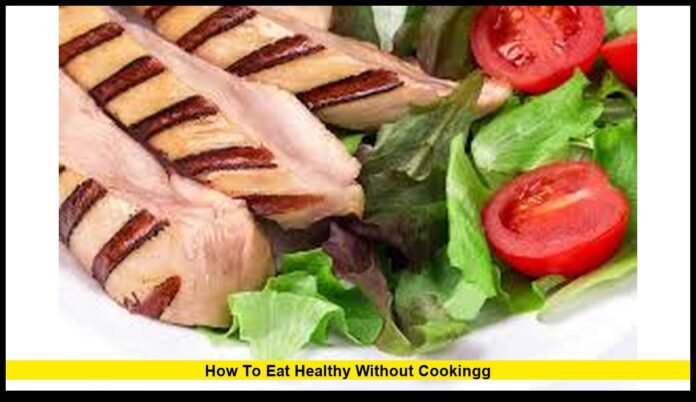

Eating well does not have to mean spending hours in the kitchen. Learning how to eat healthy without cooking can help you enjoy balanced meals even when you have a busy schedule, limited cooking skills, little energy, or no access to a full kitchen. With the right groceries, you can put together satisfying breakfasts, lunches, dinners, and snacks using simple ingredients that require little or no preparation.
From Greek yogurt and fresh fruit to canned beans, ready-to-eat chicken, whole-grain wraps, and bagged salads, plenty of nutritious foods are available without needing to turn on the stove. The key is to combine ingredients that provide protein, fiber, healthy fats, vitamins, and minerals.
This guide explains how to build nutritious no-cook meals, what foods to keep on hand, and how to make healthy eating easier without relying on complicated recipes.
Why Choose Healthy Meals That Require No Cooking?
Cooking at home can be useful, but it is not the only way to eat well. No-cook meals offer flexibility and convenience while helping you make thoughtful food choices.
Save time: Ready-to-eat ingredients can turn into a meal in just a few minutes, making them useful for busy workdays and hectic evenings.
Reduce kitchen stress: You do not need advanced cooking skills, multiple pots, or complicated instructions to assemble a balanced meal.
Make grocery shopping easier: A small collection of versatile ingredients can work across breakfasts, lunches, dinners, and snacks.
Manage food expenses: Canned beans, oats, peanut butter, seasonal fruit, and whole-grain bread can be affordable alternatives to frequent restaurant meals or delivery.
Support consistent eating habits: Keeping convenient, nutritious options available makes it easier to eat when you are hungry rather than skipping meals because preparing food feels overwhelming.
The Basic Formula for a Balanced No-Cook Meal
One of the simplest ways to eat well without cooking is to combine a few food groups rather than searching for a complete recipe.
1. Include a Source of Protein
Protein helps build and maintain muscles and contributes to feeling satisfied after a meal.
Convenient options include:
- Plain Greek yogurt
- Cottage cheese
- Canned tuna or salmon
- Ready-to-eat cooked chicken
- Canned chickpeas, black beans, or kidney beans
- Hummus
- Nuts and seeds
- Peanut or almond butter
- Cheese
- Ready-to-eat hard-boiled eggs
Choose different protein sources throughout the week to add variety to your diet.
2. Add Fruits or Vegetables
Produce provides essential vitamins, minerals, fiber, and other beneficial nutrients.
Easy choices include apples, bananas, oranges, grapes, berries, baby carrots, cucumbers, cherry tomatoes, bagged salad greens, and pre-cut vegetables.
Frozen fruit can also be useful for smoothies, while canned fruit packed in water or its own juice offers another convenient option.
3. Choose Fiber-Rich Carbohydrates
Carbohydrates provide energy, and whole grains can contribute fiber and important nutrients.
Keep these options available:
- Whole-grain bread
- Whole-wheat tortillas
- Whole-grain crackers
- Ready-to-eat oatmeal prepared by soaking it overnight
- Whole-grain cereal with little added sugar
- Whole-grain pita bread
- Ready-to-eat whole grains, when available
Pairing carbohydrates with protein and healthy fats can make a meal more satisfying.
4. Include Healthy Fats
Unsaturated fats support normal body functions and help your body absorb certain vitamins.
Avocado, olive oil, nuts, seeds, and nut butters are convenient choices. Add a small handful of nuts to yogurt, spread peanut butter on whole-grain toast, or drizzle olive oil over a bean salad.
You do not need every food group in identical amounts at every meal. Aim for variety and balance across your day.
Best Foods to Keep at Home for No-Cook Eating
A well-stocked kitchen makes healthy choices easier, even if you rarely cook.
Protein-Rich Foods
Greek yogurt, canned beans, canned fish, hummus, cottage cheese, nuts, seeds, and ready-to-eat chicken are useful staples.
Check labels on prepared meats and packaged foods because sodium levels can vary considerably. If you eat canned beans, rinsing them can help reduce some of their sodium.
Fruits and Vegetables
Buy produce that fits your routine. Whole apples and bananas require little preparation, while washed salad greens, baby carrots, and pre-cut vegetables reduce the amount of work involved.
Frozen and canned produce can also be nutritious choices. Look for options without added sugar and, where possible, choose lower-sodium vegetables.
Whole Grains
Whole-grain bread, tortillas, crackers, cereal, and ready-to-eat grain pouches provide convenient foundations for meals.
Check the ingredient list and Nutrition Facts label when comparing packaged products. Options higher in fiber and lower in added sugar are often useful everyday choices.
Dairy and Fortified Alternatives
Milk, plain yogurt, cottage cheese, and fortified soy beverages can contribute protein and calcium. Other plant-based beverages may contain less protein, so compare their nutrition labels if you use them as a regular substitute for milk.
Convenient Flavor Boosters
Lemon juice, vinegar, salsa, mustard, herbs, spices, and lower-sodium dressings can make simple ingredients more appealing.
A little seasoning can transform beans, sandwiches, wraps, and salads without requiring cooking.
Easy Healthy Breakfasts Without Cooking
Breakfast can be quick, filling, and nutritious without a frying pan or oven.
Greek Yogurt With Fruit and Nuts
Add plain Greek yogurt to a bowl, then top it with berries, sliced banana, nuts, and seeds.
This combination provides protein, fiber, and healthy fats. Choose unsweetened yogurt and adjust the toppings to your preferences.
Overnight Oats
Combine rolled oats with milk or a fortified alternative in a covered container. Refrigerate overnight, then add fruit, cinnamon, chia seeds, or nut butter before eating.
The oats soften as they absorb liquid, eliminating the need to cook them. Prepare a portion the night before for a convenient breakfast.
Whole-Grain Toast With Peanut Butter
Spread peanut butter on whole-grain bread and serve it with a banana or apple.
This breakfast combines carbohydrates, protein, and unsaturated fats. Choose peanut butter with little or no added sugar when possible.
Cottage Cheese and Fresh Fruit
Pair cottage cheese with peaches, berries, pineapple, or sliced apples.
It is a simple option for mornings when you want protein without preparing a full meal. Compare labels if you are trying to limit sodium.
A Quick Breakfast Smoothie
Blend a banana, frozen berries, plain yogurt, milk or fortified soy beverage, and a spoonful of nut butter or seeds.
A smoothie can be useful when you need breakfast on the go. Keep added sweeteners optional, since fruit already provides sweetness.
Healthy No-Cook Lunch Ideas
Lunch does not have to come from a restaurant or a microwave. A few ready-to-eat ingredients can provide a satisfying midday meal.
Chickpea and Vegetable Wrap
Spread hummus over a whole-wheat tortilla. Add rinsed chickpeas, spinach, cucumber, shredded carrots, and sliced avocado.
Roll the tortilla tightly and serve it with a piece of fruit. This meal combines plant-based protein, fiber, vegetables, and healthy fats.
Tuna Salad Sandwich
Mix canned tuna with plain Greek yogurt or a small amount of mayonnaise, mustard, and black pepper. Place it on whole-grain bread with lettuce and tomato.
For a convenient alternative, serve the tuna mixture in a whole-grain pita or over salad greens.
Choose tuna products that fit your dietary needs, and follow recommendations for limiting exposure to mercury, particularly during pregnancy.
Ready-Made Salad With Added Protein
Start with bagged salad greens and add canned beans, canned salmon, ready-to-eat chicken, or hard-boiled eggs.
Include cherry tomatoes, cucumber, avocado, and a simple olive oil and vinegar dressing. Add whole-grain crackers or bread if you want a more substantial lunch.
Black Bean and Avocado Bowl
Combine rinsed black beans, canned corn, chopped tomatoes, avocado, and salsa in a bowl.
Add lime juice, cilantro, or your preferred seasoning. Eat the mixture as a bowl or spoon it into a whole-grain tortilla.
Hummus and Protein Snack Plate
Arrange hummus, whole-grain crackers, baby carrots, cucumber slices, cheese, and nuts on a plate.
This is a practical alternative to a traditional lunch when you prefer several small foods instead of one large dish. Adjust the portions to your appetite and nutritional needs.
Simple No-Cook Dinners for Busy Evenings
Dinner can be nutritious without requiring a complicated recipe. Focus on combining a protein source, produce, and a grain or other satisfying carbohydrate.
Rotisserie Chicken Salad
Use ready-to-eat rotisserie chicken with bagged greens, cherry tomatoes, cucumber, and avocado.
Finish with a light dressing and whole-grain bread. Rotisserie chicken can save time, but check the label or product information for sodium when possible.
Mediterranean Chickpea Salad
Combine chickpeas, cucumber, tomatoes, red onion, feta cheese, and olives. Add olive oil, lemon juice, and black pepper.
Serve the salad with whole-grain pita bread. You can prepare a larger batch and refrigerate portions for later meals, provided you store it safely.
Salmon and Avocado Toast
Place canned salmon on whole-grain toast and top it with avocado, lemon juice, and black pepper.
Add a side of sliced vegetables or fruit to make the meal more varied. This is a useful option when you want seafood without preparing raw ingredients.
Turkey and Vegetable Wrap
Fill a whole-grain tortilla with ready-to-eat turkey, spinach, sliced tomato, cucumber, and hummus or avocado.
Add a side of fruit or raw vegetables. If you use deli turkey frequently, compare sodium levels and vary your protein choices throughout the week.
A No-Cook Grain Bowl
Use a ready-to-eat whole-grain pouch or another grain that has already been safely prepared and chilled. Add canned beans, chopped vegetables, avocado, and a dressing you enjoy.
If the grain needs heating, use the microwave according to the package instructions. This makes it a nearly no-cook option rather than a completely cold meal.
Healthy Snacks That Require Almost No Preparation
Snacks can help bridge the gap between meals when you are hungry. Choose options that provide useful nutrients instead of relying exclusively on sweets or salty packaged foods.
Try these combinations:
- Apple slices with peanut butter
- Plain yogurt with berries
- Carrots and cucumbers with hummus
- Whole-grain crackers with cheese
- A banana with a handful of nuts
- Cottage cheese with fruit
- Roasted chickpeas that are ready to eat
- Trail mix with nuts, seeds, and dried fruit
- Whole-grain toast with avocado
- A hard-boiled egg with cherry tomatoes
Portion sizes depend on your appetite, activity, and individual needs. You do not have to eliminate favorite snack foods to eat healthfully; focus on creating a balanced overall pattern.
How to Eat Healthy Without Cooking on a Budget
Convenience does not always have to be expensive. A little planning can help reduce food waste and make nutritious meals more affordable.
Buy versatile staples. Oats, canned beans, peanut butter, whole-grain bread, and seasonal fruit can be used in several different meals.
Compare unit prices. A larger package may offer better value, but only buy it if you can use the food before it spoils.
Choose store brands. Generic canned beans, yogurt, nuts, and whole-grain products may cost less than national brands while serving the same purpose.
Use frozen produce. Frozen fruit and vegetables can last longer than fresh items and reduce waste when you cannot shop frequently.
Build meals around beans. Chickpeas, lentils, and other beans provide plant-based protein and fiber. Combine them with vegetables, grains, and simple seasonings.
Limit unnecessary convenience purchases. Pre-cut ingredients can be worth the extra cost when they help you eat consistently, but whole fruit, canned beans, and basic staples may be cheaper alternatives.
Plan a few combinations instead of a strict menu. Buying ingredients that work across multiple meals gives you flexibility and helps prevent unused food from accumulating.
How to Choose Healthier Packaged Foods
Packaged food can be part of a healthy eating pattern. The goal is to compare options rather than assume every prepared product is unhealthy.
Check the Nutrition Facts label for:
- Sodium: Canned soups, deli meats, sauces, and prepared meals can contain substantial amounts.
- Added sugars: Flavored yogurt, cereal, granola, and sweetened beverages may contain more added sugar than expected.
- Fiber: Whole grains, beans, fruit, and vegetables can help increase fiber intake.
- Protein: Compare products when choosing yogurt, milk alternatives, snack foods, or prepared meals.
- Serving size: The nutrition information applies to the stated serving, which may be smaller than the amount you normally eat.
Choose foods based on your overall dietary needs, budget, preferences, and any guidance from your healthcare professional.
A Simple Seven-Day No-Cook Meal Plan
The following sample plan demonstrates how to vary meals without cooking. Some options may require opening packages, washing produce, assembling ingredients, or using previously prepared foods.
| Day | Breakfast | Lunch | Dinner |
|---|---|---|---|
| Monday | Greek yogurt, berries, and nuts | Chickpea and vegetable wrap | Rotisserie chicken salad |
| Tuesday | Overnight oats with banana | Tuna sandwich and cucumber | Mediterranean chickpea salad |
| Wednesday | Peanut butter toast and apple | Black bean and avocado bowl | Salmon and avocado toast |
| Thursday | Cottage cheese and fruit | Hummus and protein snack plate | Turkey and vegetable wrap |
| Friday | Fruit and yogurt smoothie | Ready-made salad with chicken | Bean and vegetable tortilla |
| Saturday | Whole-grain cereal with milk | Salmon pita with greens | Chickpea, tomato, and avocado bowl |
| Sunday | Overnight oats with seeds | Cheese, hummus, vegetables, and crackers | Ready-to-eat chicken and salad wrap |
Use the plan as a flexible guide rather than a strict set of rules. Swap ingredients based on availability, dietary restrictions, appetite, and personal preferences. Add snacks when needed, and include enough food to meet your individual energy requirements.
How to Make Healthy Eating a Sustainable Habit
A practical routine is usually more useful than a complicated meal plan that is difficult to maintain.
Keep your favorite easy foods visible. Store fruit, yogurt, and ready-to-eat vegetables where you can easily find them.
Make a short grocery list. Start with a few proteins, fruits, vegetables, whole grains, and flavor boosters. Expand the list as you discover combinations you enjoy.
Repeat meals when convenient. You do not need a different recipe every day. Repeating a simple breakfast or lunch can save time and reduce decision fatigue.
Make gradual improvements. If your usual lunch is a sandwich and chips, consider adding fruit or vegetables and choosing whole-grain bread. Small adjustments can build over time.
Keep backup meals available. Shelf-stable foods such as canned beans, canned fish, whole-grain crackers, nuts, and nut butter can help when the refrigerator is nearly empty.
Be flexible about preparation. Washing an apple, opening a can of beans, or assembling a wrap counts as a practical way to feed yourself. Healthy eating does not require elaborate preparation.
Food Safety Tips for No-Cook Meals
Meals that do not require cooking still need safe handling, especially when they contain dairy products, meat, seafood, or prepared grains.
- Refrigerate perishable foods promptly and keep your refrigerator at 40°F or below.
- Do not leave perishable foods at room temperature for more than two hours, or more than one hour when temperatures exceed 90°F.
- Follow package storage instructions for ready-to-eat meats, dairy products, canned foods after opening, and prepared salads.
- Wash fresh produce under running water before eating or cutting it.
- Keep raw foods separate from ready-to-eat ingredients to avoid cross-contamination.
- Follow the product’s use-by guidance and discard food that has been stored improperly or shows signs of spoilage.
When in doubt, follow official food-safety guidance rather than relying on smell or appearance alone.
Frequently Asked Questions
Can you eat healthy without cooking at all?
Yes. You can build balanced meals using ready-to-eat foods such as fruit, vegetables, yogurt, canned beans, canned fish, hummus, nuts, whole-grain bread, and prepared chicken. Variety and overall nutritional balance matter more than whether you cooked the food yourself.
What are the healthiest foods to eat without cooking?
Useful options include fruits, vegetables, plain Greek yogurt, beans, nuts, seeds, canned fish, cottage cheese, hummus, and whole grains. Combining several of these foods can provide protein, fiber, healthy fats, vitamins, and minerals.
How can I eat healthy without cooking or spending much money?
Build meals around affordable staples such as oats, canned beans, peanut butter, whole-grain bread, seasonal fruit, and store-brand yogurt. Compare unit prices and buy only quantities you can use before they spoil.
Can I lose weight without cooking?
It is possible to manage your weight without cooking. Choose satisfying meals that include protein, fiber-rich foods, produce, and appropriate portions. Weight changes depend on multiple factors, including overall energy intake, activity, health, medications, and individual circumstances.
What can I eat when I have no kitchen?
Depending on your access to refrigeration, options may include whole fruit, peanut butter, nuts, whole-grain crackers, canned beans, tuna pouches, shelf-stable milk, and ready-to-eat meals. If you do not have a refrigerator, pay close attention to storage instructions and choose products that are safe to keep at room temperature.
Are prepackaged meals healthy?
Some are nutritious and convenient, while others contain high amounts of sodium, saturated fat, or added sugar. Compare nutrition labels, consider serving sizes, and choose products that fit your needs.
How do I get enough protein without cooking?
Include foods such as Greek yogurt, cottage cheese, canned beans, hummus, nuts, seeds, canned fish, and ready-to-eat chicken. Eating a variety of protein sources throughout the day can help you meet your individual needs.
Is eating the same no-cook meals every day okay?
Repeating meals can make life easier, but eating a variety of foods helps provide a broader range of nutrients. Rotate fruits, vegetables, protein sources, and whole grains whenever practical.
Final Thoughts
Learning how to eat well without cooking can make nutritious food more accessible, even when time, energy, money, or kitchen equipment is limited. You can create satisfying meals with everyday ingredients, from yogurt and fruit at breakfast to bean wraps, salads, and ready-to-eat protein at lunch or dinner.
Start with a few foods you enjoy, keep convenient options available, and build meals around protein, produce, whole grains, and healthy fats. Consistency matters more than perfection, and even small improvements can help you develop a routine that works for your lifestyle.
What are your favorite healthy meals that require little or no cooking? Share your ideas and keep checking back for more practical ways to make everyday eating easier.