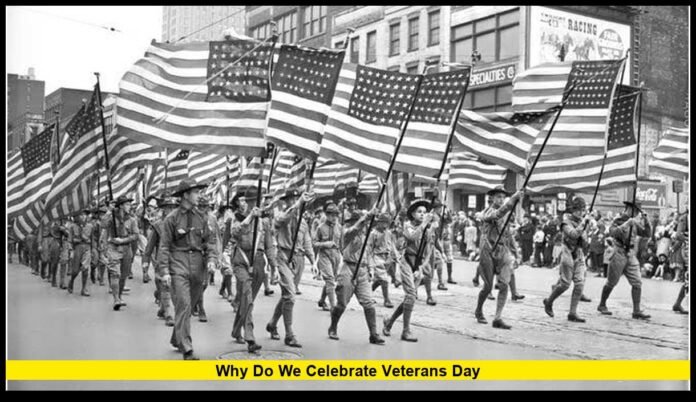

Why do we celebrate Veterans Day? The United States observes Veterans Day every November 11 to recognize the men and women who have served in the nation’s armed forces. The holiday honors military veterans for their dedication, commitment, and contributions to national security. It also gives Americans an opportunity to acknowledge the personal responsibilities, challenges, and sacrifices associated with military service.
Veterans Day has a history that stretches back more than a century. Its origins connect to the end of fighting in World War I, when an armistice took effect on November 11, 1918. What began as Armistice Day eventually became a national holiday recognizing veterans from every generation of American military history.
Today, the observance includes former service members who served during major international conflicts as well as those who completed their military careers during peacetime. Their responsibilities covered a wide range of occupations, including combat operations, aviation, medical services, transportation, engineering, communications, intelligence, and national defense.
For many Americans, November 11 is a time to thank veterans personally, attend community celebrations, participate in educational programs, and reflect on the importance of military service. The holiday also encourages families to preserve military history and helps younger generations understand why veterans deserve recognition.
Why Do We Celebrate Veterans Day Every November 11?
Americans celebrate Veterans Day because military veterans have played an important role in protecting the United States and supporting its national interests. Their service contributes to the country’s defense, military readiness, and security responsibilities.
Serving in the armed forces involves commitments that often affect nearly every part of a person’s life. Military personnel may relocate several times, spend long periods away from their families, complete demanding training, and accept assignments in unfamiliar environments. Some face dangerous conditions, while others support essential military operations through specialized duties.
Veterans Day recognizes these contributions without limiting appreciation to individuals who participated in combat.
The holiday honors people who served in different military branches, occupations, and generations. It also recognizes veterans who completed their service during periods when the United States was not directly involved in a major war.
November 11 gives the country a shared opportunity to express gratitude. It brings together government institutions, veterans organizations, schools, businesses, families, and local communities around a common purpose: recognizing American military service.
The observance also reminds people that veterans remain part of American communities after leaving the military. Many continue their careers in education, healthcare, public service, business, technology, and other industries.
Their contributions do not end when they return to civilian life.
The Historical Origins of Veterans Day
The history of Veterans Day begins with World War I, a conflict that caused widespread destruction and affected countries across Europe and other regions.
The United States entered the war in 1917, and American military personnel joined Allied forces in operations against Germany and its partners. The conflict involved extensive fighting, significant military casualties, and enormous disruption to civilian life.
After years of war, an armistice agreement between the Allied nations and Germany took effect on November 11, 1918.
The agreement stopped the fighting on the Western Front at 11 a.m. That moment became associated with the 11th hour of the 11th day of the 11th month.
Although the armistice ended the fighting, it did not itself constitute the final peace settlement. Nevertheless, November 11 became an important date for remembering the end of the conflict and recognizing the people who served.
The United States initially observed the anniversary as Armistice Day.
President Woodrow Wilson and the First Observance
President Woodrow Wilson recognized the importance of the first anniversary of the armistice in 1919. His message encouraged Americans to reflect on the historical significance of November 11 and remember those who had served during World War I.
The first observance emphasized remembrance, national reflection, and the hope for lasting peace.
Over time, communities developed their own traditions. Public gatherings, ceremonies, church services, and other activities helped establish November 11 as an important annual occasion.
The holiday initially focused on World War I veterans, but the country’s military history soon created a reason to recognize a much larger group.
How Armistice Day Became a Federal Holiday
In 1926, Congress passed a resolution calling for an annual observance of November 11. The resolution recognized the importance of remembering the armistice and its connection to the end of World War I.
Congress later approved legislation establishing Armistice Day as a federal legal holiday in 1938.
At that time, the observance primarily honored veterans of World War I.
However, the United States experienced another major global conflict during World War II. Millions of Americans served in the armed forces, and many more joined the military during the Korean War.
These events changed the meaning of the national observance. A holiday dedicated only to World War I veterans no longer reflected the broader population of Americans who had served their country.
Why Did the United States Change Armistice Day to Veterans Day?
The United States changed the name of Armistice Day to Veterans Day to recognize American military veterans from all generations.
After World War II and the Korean War, the country had millions of additional former service members. Their experiences covered different military branches, conflicts, assignments, and periods of national service.
Raymond Weeks, a World War II veteran from Birmingham, Alabama, became an important supporter of the idea that November 11 should recognize all American veterans.
He promoted a national observance that would include veterans from every war rather than focusing exclusively on World War I.
His efforts helped build public support for changing the holiday’s name.
In 1954, Congress approved legislation changing Armistice Day to Veterans Day. President Dwight D. Eisenhower signed the legislation, establishing the modern name and broader purpose of the holiday.
The change represented an important development in the country’s approach to recognizing military service.
Instead of limiting the observance to the anniversary of a particular conflict, the United States created a day dedicated to honoring all its military veterans.
The new name also reflected the country’s recognition that military service takes many forms and that veterans from different periods deserve appreciation.
Why Is November 11 So Important to Veterans Day?
November 11 carries historical significance because it marks the date when the World War I armistice took effect in 1918.
The agreement became effective at 11 a.m., which explains the connection to the familiar description of the 11th hour on the 11th day of the 11th month.
This timing remains central to the identity of Veterans Day.
Unlike holidays that take place on a designated Monday, Veterans Day retains November 11 as its official annual date. The date may fall on different weekdays, but its historical meaning remains unchanged.
The connection to World War I also gives the holiday a broader message. It reminds Americans of the human consequences of war and the importance of recognizing those who serve in the military.
The date also provides a consistent national occasion for communities to organize ceremonies and educational activities.
In 2026, Veterans Day falls on Wednesday, November 11. Federal agencies and communities will observe the holiday according to their respective schedules.
Who Is Honored on Veterans Day?
Veterans Day recognizes American military veterans who served in the United States Armed Forces.
The observance includes veterans from different generations, military branches, occupations, and assignments. Their experiences may differ considerably, but the holiday recognizes their contribution through military service.
The six branches represented in the modern U.S. military include the Army, Navy, Air Force, Marine Corps, Space Force, and Coast Guard.
Each branch performs distinct responsibilities that contribute to national defense and military operations.
Army Veterans
Army veterans served in a wide range of roles, including ground operations, logistics, engineering, communications, intelligence, medical services, and transportation. Their work supports military readiness and operations in different environments.
Navy Veterans
Navy veterans contributed to maritime security, naval operations, ship maintenance, aviation, logistics, and other responsibilities. Their service supported American interests at sea and in international operations.
Air Force Veterans
Air Force veterans served in aviation, air defense, intelligence, aircraft maintenance, transportation, communications, and other specialized areas.
Marine Corps Veterans
Marine Corps veterans supported expeditionary operations, security missions, combat assignments, aviation, logistics, and other military responsibilities.
Coast Guard Veterans
Coast Guard veterans contributed to maritime safety, law enforcement, coastal security, search and rescue, and military operations.
Space Force Veterans
Space Force veterans served in responsibilities connected to military space operations, satellite systems, space-based capabilities, and related national security missions.
Veterans Day also recognizes people who served in different historical periods, including World War I, World War II, the Korean War, the Vietnam War, the Persian Gulf War, and more recent military operations.
Importantly, combat experience is not a requirement for the holiday’s broader recognition. Many veterans performed essential duties away from battlefields.
Their contributions remain an important part of American military history.
Veterans Day and Memorial Day: Understanding the Difference
Veterans Day and Memorial Day are two important American holidays, but they recognize different aspects of military service.
Veterans Day honors people who have served in the U.S. military. Memorial Day specifically honors military personnel who died while serving their country.
Veterans Day takes place every November 11, while Memorial Day falls on the last Monday in May.
The difference matters because the holidays carry separate historical and commemorative purposes.
Veterans Day recognizes the service of living veterans and the broader contributions of former military personnel. Communities often organize appreciation ceremonies, parades, school activities, and public gatherings.
Memorial Day focuses on remembering those who died in military service. Families and communities may visit cemeteries, place American flags on graves, attend memorial ceremonies, and participate in other commemorative activities.
Both holidays encourage Americans to recognize the responsibilities and consequences of military service.
They also provide opportunities to preserve the stories of service members and recognize the families affected by military commitments.
Understanding the distinction helps people observe both holidays respectfully without confusing their meanings.
How Americans Celebrate Veterans Day
Veterans Day is observed through public ceremonies, community gatherings, school activities, and personal expressions of appreciation. The way people celebrate depends on local traditions, but the central purpose remains the same: recognizing those who have served in the American military.
National Veterans Day Ceremony
One of the country’s most prominent observances takes place at Arlington National Cemetery in Virginia. The annual national ceremony honors veterans from different generations and military branches.
The program traditionally includes a wreath-laying at the Tomb of the Unknown Soldier, followed by a ceremony in the Memorial Amphitheater. Veterans organizations participate in ceremonial activities, and public officials deliver remarks recognizing military service.
The national event provides a moment for Americans to reflect on the responsibilities veterans have accepted and the contributions they have made to the country.
Veterans Day Parades
Parades are a familiar part of Veterans Day celebrations in many American communities. Local officials, veterans organizations, military groups, school bands, and residents may participate.
Some events feature color guards, marching bands, historical displays, and military vehicles. These activities allow communities to recognize veterans publicly and introduce younger generations to military traditions.
Parade schedules vary. Some communities hold events on November 11, while others schedule celebrations on nearby dates to accommodate local arrangements.
School and College Programs
Educational institutions frequently organize Veterans Day assemblies and classroom activities. Students may study the history of the holiday, discuss the role of military service, and learn about veterans from their communities.
Some schools invite former service members to speak about their experiences. Others organize art projects, essays, musical performances, and displays honoring veterans.
These programs help students understand that Veterans Day is not simply another day off from school. It is an opportunity to learn about the people behind the country’s military history.
Community Gatherings and Volunteer Activities
Community centers, libraries, veterans organizations, and local governments may host recognition ceremonies or educational events.
Some residents volunteer with organizations that serve veterans and their families. Others attend memorial programs, help with community projects, or express appreciation to veterans they know personally.
These activities show that honoring veterans does not require a formal ceremony. Thoughtful gestures and continued community involvement can also make the occasion meaningful.
Why Veterans Day Matters to American Families
Military service can affect entire families, not just the individuals who wear the uniform. Service members may spend months away from home, relocate for assignments, or experience demanding schedules that require family members to adapt.
Veterans Day gives relatives an opportunity to recognize these experiences and appreciate the commitment involved in military service.
For some families, the holiday is a chance to celebrate a parent, spouse, grandparent, sibling, or friend who served. For others, it provides an opportunity to preserve memories of relatives who have passed away after completing their military careers.
Family histories can offer valuable insight into American history. Old photographs, letters, military records, and personal recollections may help younger relatives understand the circumstances in which previous generations served.
However, every veteran has a different story. Some are comfortable discussing their military experiences, while others prefer to keep those memories private. Respecting those preferences is an important part of showing appreciation.
Veterans Day encourages families to recognize service without making assumptions about what any individual experienced.
How Veterans Contribute After Military Service
The contributions of veterans continue after they leave active military duty. Many use the knowledge and skills they developed during service in civilian employment, education, entrepreneurship, and public service.
Military experience can involve leadership, teamwork, logistics, technical training, problem-solving, and the ability to work under demanding conditions. Veterans may apply these skills in industries ranging from healthcare and transportation to manufacturing, cybersecurity, construction, and education.
Some veterans establish businesses or become involved in community organizations. Others pursue additional education, enter public service, or support military families and fellow veterans.
At the same time, transitioning from military life to civilian employment can involve challenges. Veterans may need to translate military qualifications into civilian credentials, adjust to a different workplace culture, or identify services that fit their individual circumstances.
Recognizing veterans means appreciating their military service while also acknowledging their diverse experiences after leaving the armed forces.
Veterans Day can encourage communities to learn more about employment programs, educational opportunities, and other forms of support available to former service members.
How to Honor Veterans on November 11
Americans can observe Veterans Day in simple, practical ways. The most appropriate approach depends on personal circumstances, local opportunities, and the preferences of the veterans involved.
Here are several meaningful ways to participate:
- Thank a veteran: Offer a sincere expression of appreciation to a veteran in your family, workplace, or community.
- Attend a local ceremony: Participate in a Veterans Day event organized by a city, school, or veterans organization.
- Learn about military history: Read about the origins of Veterans Day and the experiences of veterans from different periods.
- Support veteran-serving organizations: Consider volunteering or donating to a reputable organization that assists veterans and their families.
- Listen respectfully: Give veterans the opportunity to share their experiences if they wish to do so.
- Recognize military families: Acknowledge the contributions and responsibilities of family members who support service personnel.
- Help preserve local history: Participate in oral history projects or community programs that document veterans’ experiences.
People should avoid assuming that every veteran wants public attention or wishes to discuss military service. Respectful appreciation allows individuals to participate in the holiday in ways that suit them.
It is also important to remember that support for veterans should not be restricted to November 11. Community involvement throughout the year can help former service members access opportunities and maintain meaningful connections.
Is Veterans Day a Federal Holiday?
Yes. Veterans Day is a federal holiday in the United States, observed annually on November 11.
Federal employees generally receive the holiday according to the official federal schedule. Many federal offices close, and some public services may operate under modified arrangements.
However, the holiday does not automatically require every private business, school, or organization to close. Employers and local institutions follow their own schedules, subject to applicable laws and employment policies.
Some businesses remain open, while others modify their hours or offer special promotions to veterans. Public transportation and local government services may also operate under holiday schedules.
For 2026, the federal holiday falls on Wednesday, November 11. Anyone planning to visit a government office, attend a ceremony, or use a particular service should confirm the relevant schedule beforehand.
Latest Veterans Day Updates for 2026
As the November 11 observance approaches, preparations for Veterans Day 2026 include the national ceremony at Arlington National Cemetery and community events across the country.
The 2026 national observance is scheduled for Wednesday, November 11, at 11 a.m. Eastern Time in the Memorial Amphitheater at Arlington National Cemetery.
The published program includes a musical prelude at 10:30 a.m., a wreath-laying ceremony at the Tomb of the Unknown Soldier, a parade of colors by veterans organizations, and remarks from dignitaries. The event is free and open to the public, with seating available on a first-come, first-served basis.
Attendance at the wreath-laying ceremony is limited to official participants under the announced arrangements. Visitors attending the public ceremony should review current security procedures and transportation information before arriving.
The Veterans Day National Committee has also selected 48 regional sites across 24 states to participate in official 2026 observances. These sites help communities organize activities that recognize veterans beyond the national ceremony.
Local celebrations may include parades, public gatherings, school programs, and recognition events. Individual communities determine their own schedules and arrangements.
Another important detail for 2026 is the official Veterans Day poster. The design recognizes the nation’s upcoming 250th anniversary and connects symbols of America’s early history with the generations of veterans who have defended the country.
These activities reflect the continuing national focus on military service, historical remembrance, and public appreciation.
Frequently Asked Questions
Q1. Why do we celebrate Veterans Day on November 11?
A: November 11 marks the date in 1918 when the armistice ending fighting on the Western Front during World War I took effect. The United States later adopted the date to honor military veterans from all generations.
Q2. Who started Veterans Day?
A: Veterans Day developed from Armistice Day, first observed nationally in 1919 under President Woodrow Wilson. Raymond Weeks helped promote the idea of a holiday honoring all American veterans, and President Dwight D. Eisenhower signed the legislation changing the name in 1954.
Q3. Is Veterans Day for living veterans or deceased veterans?
A: Veterans Day primarily recognizes all American military veterans, including those who are living and those who have died after their service. Memorial Day has a more specific focus on military personnel who died while serving.
Q4. What is the difference between Veterans Day and Memorial Day?
A: Veterans Day honors people who served in the U.S. armed forces. Memorial Day honors military personnel who died in service to their country. Veterans Day occurs on November 11, while Memorial Day falls on the last Monday in May.
Q5. Do schools and businesses close on Veterans Day?
A: Some schools, businesses, and government offices close, while others remain open. Federal offices generally observe the holiday, but private employers and local institutions determine their own schedules under applicable rules.
Final Thoughts: The Lasting Importance of Veterans Day
Understanding why we celebrate Veterans Day helps explain why November 11 remains an important date in American life. The holiday connects the history of World War I with a continuing national commitment to recognizing everyone who has served in the U.S. armed forces.
Its purpose extends beyond parades, ceremonies, and a federal day off. Veterans Day offers an opportunity to learn about military history, recognize the contributions of former service members, and appreciate the responsibilities that come with serving the country.
In 2026, Americans will observe the holiday on Wednesday, November 11. National and regional ceremonies will provide opportunities for communities to recognize veterans, while families and individuals can express appreciation in their own ways.
The most meaningful observances combine gratitude with understanding. Every veteran has an individual story, and recognizing those differences helps preserve the true meaning of the holiday.
Veterans Day also reminds Americans that appreciation can continue throughout the year through respectful engagement, community support, and efforts to ensure that veterans have opportunities to thrive after military service.
How will you honor American veterans on November 11? Share your thoughts in the comments and stay updated for more U.S. holiday news, history, and important national observances.
Meta Description
Why do we celebrate Veterans Day? Learn about its history, November 11 traditions, national importance, and ways to honor American veterans.
Tags
Why Do We Celebrate Veterans Day, Veterans Day 2026, Veterans Day History, Veterans Day Meaning, November 11, American Veterans, Veterans Day Traditions, Veterans Day Ceremony, Memorial Day vs Veterans Day, Federal Holidays,