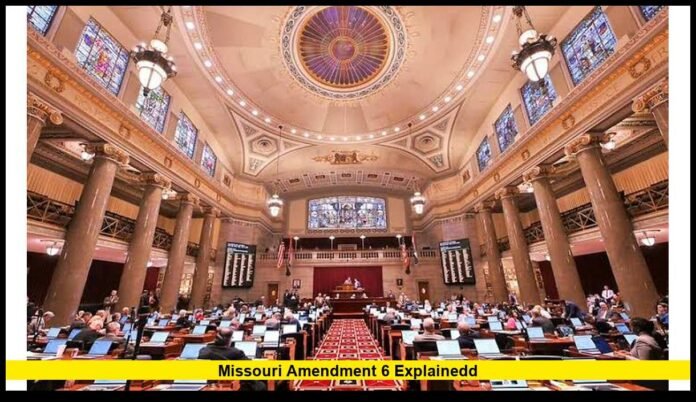

Missouri Amendment 6 explained is a major election issue for residents voting on November 3, 2026. The proposed constitutional amendment would strengthen protections for citizen-led ballot initiatives, establish new limits on legislative efforts to change certain voter-approved laws, and create a process for challenging ballot summaries in court. Its central purpose is to protect direct public participation in Missouri’s lawmaking system while changing how lawmakers can respond to policies approved by voters.
The measure raises an important question about the state’s political future: should decisions made directly by voters receive additional constitutional protection against changes by the legislature?
For Missouri residents, the answer could influence how future ballot measures operate and how much authority elected representatives retain over citizen-approved policies.
What Missouri Amendment 6 Would Change
The proposed amendment focuses on Missouri’s initiative and referendum system. These constitutional procedures allow citizens to participate directly in state policymaking.
Through an initiative petition, residents can propose a state law or constitutional amendment. A referendum gives voters an opportunity to reject certain legislation passed by the General Assembly.
Amendment 6 would recognize these petition rights as fundamental rights under the Missouri Constitution. It would also establish restrictions intended to prevent lawmakers from weakening the initiative and referendum process.
Another major provision would make it harder for legislators to reverse certain decisions made through statewide elections.
The proposal covers citizen-initiated laws and constitutional amendments enacted on or after January 1, 2010. It also addresses legislative efforts to pass laws similar to measures that voters rejected through referendum.
The 80% Rule Is a Major Part of the Proposal
One of the most important features is the proposed supermajority requirement.
Under Amendment 6, at least 80% of the members of both the Missouri House and Senate would need to approve referring certain proposed changes involving covered voter-approved measures back to voters.
This is substantially higher than the support generally needed for ordinary legislative action.
The requirement would apply separately to each chamber. Approval in the House would not be enough if the Senate failed to reach the required percentage.
For example, a chamber with 100 members would need 80 affirmative votes to meet an 80% threshold. This is an illustration of the percentage, not a statement about the actual size of either chamber.
The proposal would not automatically make every voter-approved law permanent. Instead, it would establish a more demanding route for certain legislative changes.
The electorate would retain the final decision on a covered proposal referred to voters through the process.
Why Citizen Initiative Rights Matter
Missouri’s initiative system gives residents an opportunity to propose policies without depending entirely on elected officials.
This is particularly important when citizens believe the legislature has not addressed an issue they consider important.
However, qualifying an initiative requires considerable organization. Petition sponsors must prepare the proposal, follow legal procedures, and collect enough valid signatures from eligible voters.
Amendment 6 would strengthen the constitutional position of this process by recognizing initiative and referendum rights as fundamental.
It would also restrict legislative efforts to weaken citizens’ ability to use these procedures.
The proposal does not remove the existing petition requirements. Citizens would still need to meet the applicable signature thresholds before their initiatives could qualify for the ballot.
Existing Petition Requirements Would Remain
Missouri currently uses different signature percentages for proposed state laws and constitutional amendments.
| Proposal type | Required signatures |
|---|---|
| State law initiative | 5% of legal voters in two-thirds of congressional districts |
| Constitutional amendment initiative | 8% of legal voters in two-thirds of congressional districts |
Amendment 6 would preserve these requirements.
It would also retain the existing statewide majority-vote standard for approving citizen initiatives.
This means the proposed 80% threshold should not be confused with the number of votes citizens need to approve an initiative. The higher percentage concerns specific legislative referrals involving covered measures, not the general voter-approval standard.
How Ballot Summary Lawsuits Could Affect Voters
Amendment 6 would allow courts to revise ballot summaries through lawsuits, adding another legal safeguard to Missouri’s election process.
A ballot summary gives voters a short explanation of a proposed measure. Its wording can influence how people understand the proposal, particularly when the constitutional language is complex.
The proposed change would provide a legal route to challenge summaries that parties believe are misleading or inaccurate. Courts could then consider whether revisions are appropriate under the applicable law.
This provision would not guarantee that every challenge succeeds. The outcome would depend on the circumstances and the court’s decision.
The issue matters because voters need clear information to evaluate ballot questions. At the same time, legal challenges could add another stage to disagreements over election language.
Arguments Supporting Amendment 6
Supporters believe the amendment would protect the public’s ability to make decisions directly through elections.
Their central argument is that laws approved by voters should not be easily reversed by lawmakers acting through the ordinary legislative process.
Supporters also emphasize the value of protecting petition rights and ensuring that ballot summaries accurately describe proposed measures.
They argue that the proposed 80% threshold would encourage broader agreement before lawmakers seek to change covered voter-approved policies.
Concerns About the Proposed Restrictions
Opponents may question whether the proposed supermajority requirement would make it too difficult to correct problems in existing laws.
State policies sometimes need adjustments as circumstances change. A high legislative threshold, followed by a public vote, could make certain revisions more complicated and time-consuming.
The amendment could also limit the flexibility of elected representatives when a majority supports changing a covered measure but cannot secure the required 80% approval in both chambers.
These concerns reflect the central trade-off: protecting voter decisions more strongly could also make some future legislative changes harder.
Would Amendment 6 Increase Taxes?
The official ballot summary states that state and local governmental entities estimate no costs or savings from the measure. It also states that passage would not increase or decrease taxes.
Amendment 6 does not directly change tax rates or establish a new tax. Its focus is the constitutional process for citizen initiatives, referendums, and legislative changes to covered measures.
Any financial consequences associated with future policies would depend on the substance of those policies, rather than an automatic tax change under Amendment 6.
What Happens if Voters Reject the Amendment?
If voters reject the measure, the proposed constitutional changes would not take effect through this ballot question.
Missouri’s existing initiative and referendum system would remain in place. Citizens would continue to be able to propose qualifying laws and constitutional amendments under current rules.
The proposed 80% requirement would not become part of the Constitution through Amendment 6, and the additional restrictions described in the proposal would not take effect.
What Missouri Voters Should Know Before Election Day
The measure appears on Missouri’s November 3, 2026, general election ballot. Voters should distinguish its proposed legislative restrictions from the existing requirements for citizen petitions.
The key points are straightforward:
- A yes vote supports stronger constitutional protections for initiative and referendum rights.
- The proposal would establish an 80% legislative threshold in both chambers for referring covered changes to voters.
- Existing signature requirements and the statewide majority-vote standard would remain.
- Courts would have a route to revise ballot summaries through lawsuits.
- The official fiscal summary estimates no costs or savings for state and local governments.
Ultimately, Missouri Amendment 6 explained comes down to whether voters want additional constitutional safeguards for laws approved directly by the public. The decision could shape how Missouri handles citizen-led measures and legislative responses to them in the years ahead.
Do you believe Missouri should make voter-approved laws harder to change? Share your thoughts in the comments.