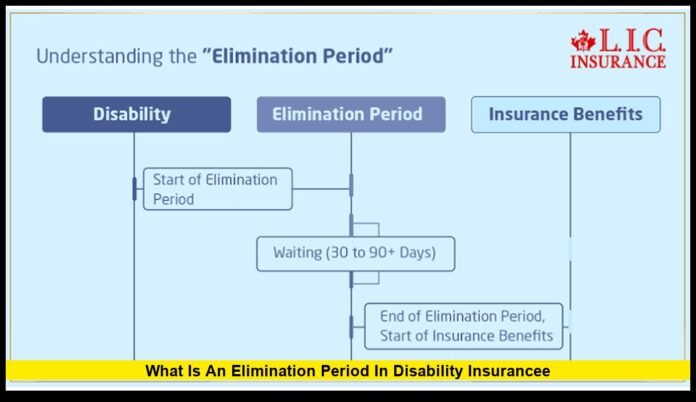

Understanding what is an elimination period in disability insurance helps American workers prepare for the financial consequences of an illness or injury that prevents them from working. This waiting period determines when a policyholder may become eligible for disability income benefits under the terms of a policy. The length of the period can influence insurance costs, household savings requirements, and the timing of financial support. Before choosing coverage, workers should understand how insurers calculate the waiting period, how it differs between short-term and long-term policies, and what conditions must be satisfied before benefits become payable.
What Is an Elimination Period?
An elimination period is the specified time a person must satisfy after the onset of a qualifying disability before disability insurance benefits can become payable. Insurers use this provision to establish when income replacement may begin after a covered illness or injury affects someone’s ability to work.
The waiting period varies by insurance contract. Some policies have relatively short periods, while many long-term disability plans require 90 or 180 days of qualifying disability. Other arrangements may offer different options depending on the insurance provider and the type of coverage.
For example, a worker with a 90-day elimination period generally must satisfy the policy’s disability requirements for the required period before becoming eligible for payments. The insurer must also determine whether the claim meets all other contractual conditions.
This provision matters because losing the ability to work does not necessarily mean disability payments will start immediately. Workers may need to rely on savings, paid leave, or other available benefits while waiting for their disability claims to qualify for payment.
The elimination period also differs from the time an insurer spends processing a claim. Even after a person satisfies the waiting requirement, the company may need to complete its review before issuing payments.
Why Disability Insurance Has an Elimination Period
Disability insurance protects a portion of a worker’s income when a qualifying medical condition prevents them from performing covered work duties. The elimination period establishes a threshold before the insurer begins paying benefits.
A waiting period can help insurers manage the cost of coverage. Policies with longer elimination periods generally expose insurers to fewer immediate benefit payments than otherwise comparable policies with shorter periods.
For policyholders, this arrangement creates a trade-off. A longer period may reduce premiums, but the insured person must be financially prepared to manage a longer stretch without disability income payments.
The provision also encourages people to consider how they would handle a temporary loss of earnings. Even a relatively brief absence from work can create financial pressure for households that depend on regular paychecks.
When comparing plans, consumers should evaluate the waiting period alongside the monthly benefit, maximum benefit duration, disability definition, exclusions, and premium. The shortest waiting period is not automatically the best choice for every worker.
How an Elimination Period Works
The elimination period generally begins when a qualifying disability starts under the policy’s terms. The insurer may examine medical records, employment information, and other evidence to determine when the disability began and whether it meets the contract’s definition.
Although procedures differ between insurers, the process commonly follows these steps.
- A medical condition affects the worker’s ability to work. The illness or injury must meet the disability requirements established by the policy.
- The qualifying period begins. The insurer applies the elimination period stated in the contract.
- The policyholder provides documentation. Medical evidence and claim forms help establish the disability and relevant dates.
- The required period is completed. The claimant must satisfy the contract’s rules for the entire waiting period.
- The insurer evaluates eligibility. The company reviews the evidence and determines whether the policy’s requirements have been met.
- Payments may begin. If the claim qualifies, benefits become payable according to the contract’s payment provisions.
Completing the waiting period does not automatically guarantee approval. The insurer may still need evidence that the claimant meets the applicable definition of disability and all other eligibility requirements.
Policyholders should also distinguish between becoming eligible for benefits and receiving the first payment. The insurer’s review, payment schedule, and administrative procedures may affect when money reaches the claimant.
Common Elimination Periods in Disability Insurance
Disability insurance policies may offer several waiting-period options. The available choices depend on the product, insurer, employer plan, and policy terms.
| Elimination period | General meaning |
|---|---|
| 7 days | A relatively short waiting period, if offered |
| 14 days | Approximately two weeks of qualifying disability |
| 30 days | Approximately one month |
| 60 days | Approximately two months |
| 90 days | Approximately three months |
| 180 days | Approximately six months |
| 365 days | Approximately one year, if offered |
These examples describe common durations rather than a universal list of available options. Not every insurer offers every period, and the exact calculation depends on the policy.
A 30-day period may be appealing to a worker who needs access to potential benefits sooner. A 90-day period may suit someone who has sufficient savings or access to other income during the initial months of disability.
A 180-day period can reduce premiums in some otherwise comparable plans, but it may require a substantial financial reserve. Workers should estimate their expenses before selecting a longer waiting period.
It is also important to determine whether the contract counts calendar days or applies other rules. Some policies require consecutive days of disability, while others contain provisions addressing interruptions or recurrent conditions.
Short-Term Disability Insurance and Its Waiting Period
Short-term disability insurance generally provides temporary income replacement when a covered illness or injury prevents an employee from working.
The elimination period for short-term coverage may range from several days to a few weeks, depending on the plan. Some policies offer relatively quick access to benefits, while others require a longer qualifying period.
The coverage may help eligible workers manage an absence associated with surgery, recovery from an injury, or another qualifying medical condition. The policy determines the circumstances that qualify, the required documentation, and the amount of income replacement.
Short-term disability plans also establish a maximum period for benefit payments. That duration varies by policy and should not be confused with the elimination period.
For example, a plan might require a short waiting period before benefits become payable and then provide eligible payments for a limited number of weeks or months. The actual schedule depends on the contract.
Employees should check whether their employer provides short-term disability insurance automatically, offers it as an optional benefit, or requires workers to meet particular enrollment conditions.
Paid sick leave is not necessarily the same as disability insurance. Sick leave is an employment benefit, while disability coverage is governed by the terms of the applicable insurance policy or benefit plan.
Long-Term Disability Insurance and Longer Waiting Periods
Long-term disability insurance is designed to provide income protection when a qualifying disability continues for an extended period.
Many employer-sponsored long-term disability plans use a 90-day or 180-day elimination period. Some individual policies offer different options.
A longer waiting period means the policyholder must satisfy the required period before long-term benefits become payable. This can create a significant financial gap if the worker has no other source of income.
Some employers offer short-term and long-term disability coverage together. Short-term benefits may help replace income while the long-term policy’s elimination period runs. However, the two policies may have different eligibility standards, definitions of disability, and payment rules.
A worker should not assume that approval for short-term benefits automatically establishes eligibility for long-term coverage. Each policy may require its own claim review and supporting documentation.
Long-term policies may provide benefits for a specified number of years or until a contractual age limit, depending on the plan. Workers should compare this benefit duration with the waiting period to understand both when payments may begin and how long they may continue.
How the Elimination Period Affects Insurance Premiums
The waiting period can influence the price of disability insurance. When other coverage features remain comparable, policies with longer elimination periods generally have lower premiums than policies with shorter periods.
This relationship reflects the division of financial risk between the insurer and the policyholder. With a longer waiting period, the worker assumes responsibility for more of the initial income loss.
However, the size of the premium difference varies. Insurers consider factors such as age, occupation, health history, benefit amount, coverage duration, and underwriting rules.
A shorter waiting period may be worth the additional cost for someone who has limited emergency savings or substantial monthly obligations. A longer period may be reasonable for someone who can comfortably manage expenses during an extended absence from work.
Consumers should request comparable quotes instead of comparing policies with different benefit amounts or coverage provisions. This helps them understand how much the elimination period contributes to the overall cost.
The decision should focus on financial protection, not just the lowest monthly premium. A policy that appears affordable may leave a household exposed to an income gap it cannot comfortably absorb.
How to Choose the Right Elimination Period
Selecting an appropriate waiting period requires an honest assessment of savings, expenses, employer benefits, and financial responsibilities.
1. Calculate Your Emergency Savings
Start by determining how much money you could access if you stopped receiving your regular paycheck.
Include housing, groceries, utilities, transportation, debt payments, health insurance, and other essential costs. Then estimate how long your available savings could cover these expenses without disability benefits.
A longer elimination period may be manageable when you have substantial liquid savings. If your savings are limited, a shorter period may offer greater financial protection.
Avoid counting money that you cannot readily access or that you have already committed to other essential expenses.
2. Review Your Employer’s Benefits
Employees should review the benefits available through their workplace before purchasing additional coverage.
Check whether your employer provides short-term disability insurance, long-term disability insurance, paid sick leave, or other income-replacement benefits.
Determine when each benefit begins, how long it can continue, and whether payments affect other benefits. Some plans coordinate coverage, but the rules differ.
If your employer provides only long-term disability coverage with a 180-day elimination period, you may need another strategy to manage the initial months without payments.
3. Compare Different Premium Options
Request quotes for policies with different elimination periods while keeping other features as similar as possible.
Compare the monthly premium, benefit amount, maximum payment duration, and definition of disability. Examine exclusions and any provisions that could limit payment eligibility.
A shorter waiting period may cost more, but it can reduce the length of time you must finance your own expenses. A longer period may save money on premiums but require a larger emergency reserve.
The best choice depends on which combination of cost and protection fits your circumstances.
4. Consider Your Employment Situation
Your occupation and income structure can affect your ability to manage a disability.
Employees may have access to workplace benefits, while self-employed workers may need to arrange their own coverage and savings.
Business owners should consider ongoing operating expenses, contractual commitments, and the possibility of reduced business revenue during a disability.
Households that rely heavily on one person’s income may also have less flexibility to absorb a long waiting period. These considerations can help determine how much financial risk is reasonable to retain.
5. Read the Policy Before Enrolling
Do not select coverage based only on a salesperson’s summary or a premium estimate.
Review the actual policy or benefits certificate. Confirm the elimination period, disability definition, benefit amount, payment duration, exclusions, and claim notification requirements.
Ask the insurer to clarify any provision you do not understand. Written explanations can help you compare plans and reduce misunderstandings when filing a claim.
Calculating the Financial Gap During the Waiting Period
A simple household budget can show how much money you may need before disability payments become available.
Consider a worker whose essential expenses total $3,200 each month.
| Expense calculation | Estimated amount |
|---|---|
| Monthly essential expenses | $3,200 |
| Approximate expenses over three months | $9,600 |
| Approximate expenses over six months | $19,200 |
These figures are budgeting illustrations. They do not predict the exact date benefits will become payable or the amount an insurer will pay.
To estimate your potential funding gap, subtract dependable income and accessible savings that you can realistically use during the waiting period.
For example, paid leave or other eligible benefits could reduce the amount you need to cover personally. Additional medical costs, debt obligations, or business expenses could increase it.
The calculation can help you decide whether a 30-day, 90-day, or 180-day waiting period is financially manageable.
It is also sensible to account for uncertainty. A disability may affect more than employment income, particularly if it creates additional transportation, caregiving, or treatment-related expenses.
What Happens During the Elimination Period?
During the elimination period, disability income benefits generally are not payable for the days used to satisfy the waiting requirement.
The policyholder may need to rely on savings, paid leave, or other eligible income sources. Depending on the contract, certain premium obligations may continue during this time.
A waiver-of-premium provision may be available under some policies, but it is subject to specific conditions. Do not assume that premiums automatically stop when a disability begins.
Policyholders should also keep track of medical appointments, work absences, and communications with the insurer. Accurate records can help establish when the disability started and whether the waiting period has been satisfied.
Contacting the insurer early is often useful because some policies require notification within specified time limits. Waiting until the elimination period ends to begin the claim process may create avoidable complications.
Does the Waiting Period Include Weekends and Holidays?
The answer depends on the contract’s wording.
Some policies calculate the elimination period using calendar days. Others may apply specific rules governing qualifying days, consecutive disability, or interruptions in the period.
Workers should not assume that a 30-day elimination period means 30 working days or that every policy treats weekends and holidays identically.
Check the definitions and provisions in the policy. If the calculation is unclear, ask the insurer to explain how it applies to your situation.
Keeping medical documentation and employment records can also help resolve questions about the disability’s start date.
Can Benefits Be Paid Retroactively?
Whether an insurer pays benefits for any period before the elimination period ends depends on the policy’s payment provisions.
The waiting period generally identifies when benefits can become payable, but the contract determines how the insurer calculates the first payment and which days qualify for benefits.
Policyholders should not assume that every day of disability will be reimbursed once the waiting period has been completed.
Review the policy’s provisions for benefit commencement, payment calculations, and qualifying disability days. If you are filing a claim, ask the insurer to explain the applicable rules in writing.
Elimination Period vs. Benefit Period
These two provisions address different aspects of disability coverage.
The elimination period determines how long the policyholder must wait before benefits can become payable. The benefit period establishes how long payments may continue, subject to the policy’s conditions.
For example, a policy might have a 90-day elimination period and a maximum benefit period lasting several years. The first provision establishes the initial waiting requirement; the second determines the maximum duration of payments.
A short elimination period does not necessarily mean a policy provides long-lasting protection. Likewise, a lengthy benefit period does not remove the need to finance expenses before payments begin.
Consumers should examine both provisions when comparing coverage.
Elimination Period vs. Waiting Period for Coverage Eligibility
The terms elimination period and waiting period can refer to different requirements depending on the context.
In disability insurance, an elimination period usually refers to the time a qualifying disability must satisfy before benefits can become payable.
An employer-sponsored plan may also impose an eligibility waiting period before a new employee’s coverage begins. That is a separate requirement.
For example, a worker may need to complete an employment eligibility period before disability insurance becomes effective. After coverage starts, the policy may impose an additional 90-day elimination period following a qualifying disability.
Understanding this distinction helps prevent confusion about when insurance coverage starts and when disability payments may begin.
What to Do When Filing a Disability Insurance Claim
Workers who become unable to work should review their policy and contact the insurer or benefits administrator promptly.
A well-organized claim can help establish the relevant dates and provide evidence of eligibility.
Follow these practical steps:
- Confirm the policy requirements. Review the disability definition, elimination period, notification rules, and documentation requirements.
- Request the claim forms. Contact the insurer or employer’s benefits department for the correct paperwork.
- Obtain medical documentation. Ask your treating medical professional to document the condition and relevant work limitations.
- Record important dates. Keep track of the onset of disability, medical appointments, and work absences.
- Submit complete information. Fill out the forms accurately and respond to reasonable requests for additional documentation.
- Save all correspondence. Keep copies of claim forms, medical records, letters, and submission confirmations.
- Follow up on the claim. Ask whether the insurer needs additional information and when you can expect the next update.
Do not assume that completing the elimination period guarantees payment. The insurer must still determine whether the claim satisfies the policy’s terms.
Why a Disability Claim May Be Denied
An insurer may deny a claim even when the policyholder has satisfied the elimination period.
Possible reasons include insufficient medical evidence, failure to meet the contractual definition of disability, incomplete documentation, or an exclusion that applies to the condition.
If your claim is denied, read the insurer’s decision carefully. Identify the reason for the denial, the policy provisions involved, and the deadline for an appeal.
Additional medical records, employment documentation, or other relevant evidence may help address the issues identified by the insurer.
Depending on the policy and circumstances, you may also seek information from your state insurance department or consult a qualified legal professional. Employer-sponsored plans may follow specific claim and appeal procedures under applicable law.
Keep copies of all decisions and submissions so you can track the process and meet any relevant deadlines.
Frequently Asked Questions About Disability Insurance Elimination Periods
Is a 90-day elimination period a good choice?
It may be appropriate if you can cover essential expenses for approximately three months without disability payments. Your savings, employer benefits, household income, and premium options should guide the decision.
Does a longer elimination period usually reduce premiums?
Generally, yes, when other policy features are comparable. However, actual premiums depend on underwriting, coverage details, and the insurer’s pricing.
Can short-term disability cover the long-term elimination period?
It may help if you have an eligible short-term policy that provides payments during that time. Check both contracts to understand their eligibility requirements and coordination rules.
Does the elimination period restart after returning to work?
It depends on the contract. Some policies contain provisions addressing recurrent disabilities, interrupted periods, or new claims. Ask the insurer how your policy handles these circumstances.
Can an insurer deny benefits after the waiting period ends?
Yes. The claimant must meet all applicable policy requirements, not merely complete the elimination period.
Is the elimination period the same as claim-processing time?
No. The elimination period is a contractual requirement. Claim-processing time refers to the insurer’s review and administration of the claim. Both can affect when payments arrive.
Final Considerations for Policyholders
An elimination period can substantially influence the value and affordability of disability insurance. A shorter period may provide earlier access to eligible benefits, while a longer period may lower premiums but require greater financial preparation.
Before choosing coverage, compare waiting periods, monthly benefit amounts, maximum payment duration, disability definitions, and exclusions. Review your savings and available workplace benefits to determine how comfortably you could manage a loss of income.
Careful planning can help you select a policy that fits your financial responsibilities and provides appropriate protection when a qualifying disability prevents you from working.
Share your questions about disability insurance in the comments, and stay informed about important income-protection developments.