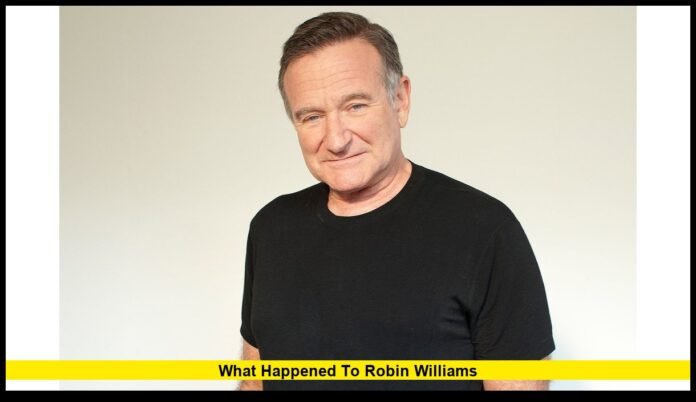

What happened to Robin Williams continues to draw attention from fans who remember the legendary comedian for his extraordinary humor, emotional performances and unforgettable characters. Williams died on August 11, 2014, at age 63, but the medical findings that emerged after his death changed public understanding of his final months. His family has continued to preserve his legacy, and a major development in August 2026 brought renewed attention to his life, his children and concerns about artificial intelligence recreating his voice and likeness.
Williams built a remarkable career in American entertainment, moving effortlessly between stand-up comedy, television and Hollywood films. He could make an audience laugh within seconds, yet he also delivered dramatic performances that explored grief, loneliness, friendship and the complexity of human relationships.
Behind that public success, however, Williams faced serious health challenges. He had received a diagnosis of Parkinson’s disease before his death, and a postmortem examination later revealed widespread Lewy body pathology in his brain. His wife, Susan Schneider Williams, subsequently discussed how the neurological disease had affected him.
His death was officially ruled a suicide caused by asphyxia due to hanging. The findings also revealed why his final months had been medically complicated, prompting broader conversations about neurological disorders and mental health.
More than a decade later, Williams remains a significant figure in American popular culture. His films continue to reach new audiences, while his family works to protect his memory and preserve authentic representations of the man behind the performances.
What Happened to Robin Williams on August 11, 2014?
Robin Williams died at his home in Tiburon, California, on August 11, 2014. He was 63 years old. His death shocked audiences across the United States and around the world.
Emergency personnel responded after authorities received a report concerning an unresponsive person at the residence. Williams was pronounced dead at the scene.
The Marin County coroner investigated the circumstances surrounding his death. Following a forensic examination, authorities determined that he had died by suicide, with the official cause recorded as asphyxia due to hanging.
The announcement prompted widespread tributes from actors, comedians, filmmakers and fans. People remembered Williams for his rapid-fire delivery, physical comedy and ability to transform an ordinary scene into an unforgettable moment.
His death also raised questions about the health difficulties he had faced privately. Williams had experienced depression and anxiety, and his wife later disclosed that he had received a Parkinson’s disease diagnosis.
The medical picture became clearer after his death. A postmortem examination revealed extensive Lewy body pathology, a finding that helped explain the complicated symptoms he had experienced during his final months.
The distinction matters because the circumstances of his death and the disease affecting his brain represent related but separate aspects of his story. The coroner established the cause and manner of death, while the postmortem findings provided additional medical information.
Williams’ death remains painful for many fans because his career centered so often on bringing laughter and comfort to others. His story also illustrates why a person’s public image cannot reveal the full extent of their private health struggles.
Robin Williams’ Cause of Death: What Authorities Confirmed
The official cause of Williams’ death was asphyxia due to hanging. The Marin County coroner classified the death as a suicide after completing the investigation.
Authorities also conducted toxicology testing. The final findings reported no alcohol or illicit drugs in his system. Prescription medications were present at therapeutic concentrations.
Those results helped address questions about his previous struggles with substance use. Williams had spoken publicly about addiction earlier in his life, making it important to distinguish his past experiences from the findings surrounding his death.
His family indicated that he had maintained his sobriety during the period leading up to the tragedy. The toxicology results did not support claims that alcohol or illicit drugs caused his death.
However, the medical findings did not provide a simple explanation for every aspect of his final months. Williams had faced multiple challenges, including depression, anxiety, movement symptoms and a neurological disease that had not been fully understood by his family.
It is important not to reduce his death to a single psychological or medical explanation. The official investigation established how he died, but no public account can reconstruct every factor that contributed to his final decision.
The later discovery of Lewy body pathology changed how many people understood his health. His widow explained that the neurological condition had affected him profoundly and that its symptoms had been difficult to interpret while he was alive.
His story continues to encourage more informed conversations about neurological disease, mental health and the importance of taking changes in behavior or functioning seriously.
What Is Lewy Body Dementia, and How Did It Affect Robin Williams?
One of the most important developments in understanding Williams’ final years was the discovery of extensive Lewy body pathology in his brain.
Before his death, Williams had received a diagnosis of Parkinson’s disease. His wife publicly disclosed that diagnosis shortly after his death. The subsequent examination revealed a more extensive pattern of Lewy body disease than the family had understood during his lifetime.
Lewy body dementia is a progressive neurological condition associated with abnormal deposits of a protein called alpha-synuclein. These deposits, known as Lewy bodies, can interfere with the brain’s normal functioning.
The condition can affect several areas of daily life. Unlike illnesses that primarily affect memory, Lewy body dementia may involve movement, attention, perception, sleep and emotional well-being.
Common symptoms can include:
- Changes in thinking and attention: A person may experience confusion, difficulty concentrating or fluctuations in alertness.
- Movement difficulties: Stiffness, slowed movement and balance problems may occur.
- Sleep disturbances: Some people experience unusual movements or behaviors during sleep.
- Visual hallucinations: Some patients see people, objects or other things that are not present.
- Mood changes: Depression, anxiety and other psychological symptoms may accompany the neurological condition.
Not everyone with Lewy body dementia develops every symptom. The pattern, severity and timing can vary from person to person.
The disease can also be difficult to diagnose because its symptoms overlap with those of other neurological conditions. A patient may first experience movement problems, while another may develop noticeable changes in thinking or perception.
Williams’ case brought public attention to these complexities. His widow described how his symptoms had affected him and explained why the medical findings after his death provided a different understanding of his final months.
The discovery did not change the official cause of death. Instead, it provided important information about the illness affecting his brain and helped explain some of the difficulties he had experienced.
Why Was the Disease So Difficult to Recognize?
Lewy body disease can produce symptoms that resemble several different medical conditions. Changes in sleep, movement, attention and mood may occur together, making it difficult to identify one clear explanation.
Symptoms can also fluctuate. A person may appear relatively alert at one time and confused at another. Movement difficulties may develop alongside changes in perception or thinking.
Williams had received a Parkinson’s disease diagnosis before his death. The extensive Lewy body pathology discovered during the postmortem examination revealed additional information about the neurological process affecting him.
Doctors can diagnose Lewy body dementia through medical history, clinical assessment and appropriate testing. However, identifying the precise underlying brain pathology can remain difficult in some cases.
Williams’ experience highlights the importance of considering the full range of symptoms when evaluating a neurological condition. It also demonstrates why families may struggle to understand what is happening when several symptoms appear at once.
His case should not be interpreted as evidence that everyone with Parkinson’s disease will develop dementia. Parkinson’s disease and dementia with Lewy bodies are related, but they remain distinct clinical diagnoses.
Robin Williams and Parkinson’s Disease: Understanding His Diagnosis
Williams’ Parkinson’s disease diagnosis became public in August 2014, shortly after his death. His wife, Susan Schneider Williams, disclosed that he had been living with the condition.
Parkinson’s disease is a progressive disorder that affects the nervous system. It commonly causes movement symptoms such as stiffness, slowed movement, tremors and difficulties with balance.
The condition can also involve symptoms that are less visible. Some people experience anxiety, depression, sleep problems or changes in cognitive functioning.
Williams’ diagnosis initially provided a medical explanation for some of the difficulties he had experienced. However, the postmortem examination revealed extensive Lewy body pathology, prompting a broader understanding of his neurological illness.
Parkinson’s disease and dementia with Lewy bodies share important biological features. Both are associated with abnormal alpha-synuclein deposits in the brain, but their typical clinical patterns differ.
Dementia with Lewy bodies generally involves cognitive changes that occur before or around the same time as significant movement problems. Parkinson’s disease dementia typically develops after a person has already experienced Parkinson’s disease for some time.
Clinicians consider the timing of symptoms, the patient’s medical history and other findings when distinguishing these conditions.
Williams’ experience involved a complex combination of neurological and psychological symptoms. His case helped bring greater attention to the fact that neurological diseases can affect more than movement alone.
It is equally important to recognize that Parkinson’s disease affects people differently. Many patients live with the condition for years, and not everyone develops dementia or experiences the same complications.
What Did Susan Schneider Williams Say About Her Husband’s Final Months?
Susan Schneider Williams became an important voice in explaining her husband’s medical history after his death.
She described the difficulty of watching Williams experience changes in his health without fully understanding their cause. His symptoms involved several aspects of functioning, and the family did not initially know how extensively the neurological disease had affected him.
After the postmortem findings became available, Schneider Williams discussed the role of Lewy body disease in his final months. Her account helped explain why the symptoms had been so difficult to interpret.
She also emphasized the devastating impact of the illness. The neurological changes affected a man whose career had depended on his quick thinking, expressive movement and remarkable ability to connect with people.
Williams had spent decades entertaining audiences through spontaneous comedy and emotionally detailed performances. Yet those public abilities did not mean he was protected from serious neurological disease.
Schneider Williams’ account helped move public discussion beyond assumptions based on his career or previous struggles with addiction. It encouraged people to consider the medical evidence and the difficulties families face when a disease produces overlapping symptoms.
In subsequent years, she became an advocate for Lewy body dementia awareness. Her efforts have helped explain the condition and encourage more people to recognize its effects.
Her perspective remains important because it connects the medical findings with the lived experience of caring for someone whose condition can be difficult to understand.
The family’s experience also demonstrates the value of accurate medical information. When the symptoms of neurological illness resemble other conditions, families may face uncertainty even while seeking professional care.
Was Depression Responsible for Robin Williams’ Death?
Depression was among the health challenges Williams experienced before his death. His wife and representatives discussed his struggles with depression and anxiety after the tragedy.
However, it would be inaccurate to say that depression alone explains his death. The later medical findings revealed extensive Lewy body pathology, which provided important context for understanding his final months.
Depression is a serious medical condition that can affect mood, concentration, energy and daily activities. It may occur independently or alongside neurological illnesses and other health problems.
People with neurological conditions can experience psychological symptoms alongside changes in movement, sleep, perception and cognition. These overlapping problems can complicate both diagnosis and treatment.
Williams’ experience encouraged conversations about mental health while also highlighting the importance of investigating possible neurological causes when symptoms change.
His death should not be treated as a simple story about a person who appeared happy but was secretly suffering. That interpretation overlooks the complexity of his medical history and the uncertainty surrounding individual circumstances.
The official findings establish that Williams died by suicide. His postmortem examination also revealed significant neurological disease, and his widow later explained how profoundly it had affected him.
His story reminds people that mental health concerns deserve serious attention. It also reinforces the importance of seeking qualified medical help when a person experiences distress, major behavioral changes or symptoms that interfere with daily life.
In the United States, people experiencing emotional distress or a mental health crisis can call or text 988 to reach the Suicide & Crisis Lifeline. The service offers free, confidential support around the clock.
Robin Williams’ Children Revive His Instagram Account in 2026
A significant recent development in Williams’ story occurred in August 2026, when his children reactivated his official Instagram account.
Zak, Zelda and Cody Williams announced the decision through a joint statement posted on the account on August 17. The announcement came during the year Williams would have turned 75.
The siblings explained that they wanted to create a space for authentic memories of their father. The account would allow fans to revisit genuine photographs, videos, stories and moments from his life.
Their decision also addressed concerns about artificial intelligence. Modern AI tools can create convincing imitations of a person’s voice and appearance, sometimes without permission from the person or their family.
Zelda Williams had previously criticized AI-generated videos that recreated her father’s voice and likeness. She asked people to stop sending her such material because it caused distress.
The renewed account offers an alternative to artificial recreations by emphasizing genuine material from Williams’ life and career. It also allows his children to play a more active role in protecting how the public remembers him.
The issue extends beyond Williams. Families of deceased performers increasingly face questions about how AI tools should use a person’s image, voice and existing recordings.
These technologies can produce content that appears authentic even when the person never created or approved it. That raises questions about consent, ownership and the responsibility to respect someone’s memory.
For Williams’ fans, the account’s return provides another way to reconnect with his work and personality. For his children, it offers an opportunity to preserve authentic memories in a digital environment where synthetic content is becoming increasingly common.
The 2026 development does not change the circumstances of his death. Instead, it represents a new chapter in his family’s ongoing efforts to protect his legacy.
Robin Williams’ Most Memorable Movies and Career Achievements
Williams built a career that reached far beyond comedy clubs. His work across television and film established him as one of the most versatile performers of his generation.
His best-known movies include Good Will Hunting, Dead Poets Society, Mrs. Doubtfire, Jumanji and Good Morning, Vietnam.
Each production revealed a different part of his talent. Some highlighted his energetic humor, while others explored emotional vulnerability, personal responsibility and the challenges of human relationships.
In Good Will Hunting, Williams portrayed therapist Sean Maguire, a character who helps a gifted young man confront painful experiences and reconsider his future. Williams won the Academy Award for Best Supporting Actor for the role.
Dead Poets Society featured him as English teacher John Keating, whose teaching encourages students to think independently and engage more deeply with literature and life.
In Mrs. Doubtfire, he played a father who disguises himself as a housekeeper to remain close to his children after a divorce. The film combined physical comedy with themes of family separation and parental love.
Jumanji introduced audiences to a fantasy adventure built around a mysterious board game. His performance helped give the story an emotional center alongside its action and suspense.
Williams also became famous through the television series Mork & Mindy. His portrayal of an extraterrestrial character demonstrated his improvisational skill and helped establish his place in American popular culture.
His achievements were not limited to one genre. He could shift between comedy and drama while maintaining a distinctive screen presence.
For many fans, his legacy rests on that versatility. His work continues to attract new audiences because it combines entertainment with recognizable human experiences.
Why Robin Williams’ Legacy Still Matters Today
Williams remains an influential figure because his performances connected with people across generations. His characters often combined humor with empathy, making audiences laugh while encouraging them to reflect on difficult subjects.
His work also demonstrated that comedy and drama do not have to exist separately. A character could be funny, vulnerable, frightened and compassionate within the same story.
His career continues to be celebrated through film screenings, repeat viewings and discussions of his most memorable performances. Younger audiences can discover his work through films that remain part of American entertainment culture.
At the same time, his medical history has become an important part of public awareness about Lewy body disease. His story has helped people understand that neurological illness may affect thinking, movement, perception and mood rather than memory alone.
His family’s efforts to preserve authentic material have added another dimension to his legacy. The renewed Instagram account reflects their desire to keep his real voice and memories separate from unauthorized digital imitations.
Williams’ life cannot be reduced to the circumstances of his death. His health struggles deserve serious consideration, but they do not erase his achievements or the joy he brought to audiences.
Likewise, his success should not obscure the seriousness of the illness he faced. Remembering him fully means recognizing both his remarkable career and the human difficulties that existed beyond the spotlight.
Frequently Asked Questions
1. What happened to Robin Williams?
Robin Williams died on August 11, 2014, at age 63. The Marin County coroner ruled his death a suicide caused by asphyxia due to hanging. A postmortem examination later revealed extensive Lewy body pathology in his brain.
2. What was Robin Williams’ official cause of death?
The official cause was asphyxia due to hanging. The coroner classified his death as a suicide following a forensic investigation.
3. Did Robin Williams have Lewy body dementia?
A postmortem examination revealed widespread Lewy body pathology in his brain. His widow later discussed the neurological disease and its effects during his final months.
4. Did Robin Williams have Parkinson’s disease?
Yes. His wife disclosed that he had received a Parkinson’s disease diagnosis before his death. Subsequent medical findings revealed extensive Lewy body pathology, providing additional insight into his neurological symptoms.
5. Was alcohol involved in Robin Williams’ death?
The final toxicology findings reported no alcohol or illicit drugs in his system. Prescription medications were present at therapeutic concentrations.
6. How old was Robin Williams when he died?
Williams was 63 when he died on August 11, 2014. He was born on July 21, 1951, in Chicago, Illinois.
7. Who was Robin Williams’ wife when he died?
Susan Schneider Williams was his wife at the time of his death. She later spoke publicly about his health challenges and advocated for greater awareness of Lewy body disease.
8. Why did Robin Williams’ children reactivate his Instagram account in 2026?
His children, Zak, Zelda and Cody Williams, reactivated the account in August 2026 to share authentic memories of their father and address concerns about AI-generated imitations of his voice and likeness.
9. What are Robin Williams’ most famous movies?
His best-known films include Good Will Hunting, Mrs. Doubtfire, Dead Poets Society, Jumanji and Good Morning, Vietnam. He won an Academy Award for his performance in Good Will Hunting.
10. What can people learn from Robin Williams’ story?
His experience highlights the complexity of neurological illness and the importance of mental health awareness. It also demonstrates why symptoms involving mood, movement, sleep and cognition require careful medical evaluation.
Conclusion
Robin Williams left behind a remarkable body of work that continues to entertain and inspire audiences. His death in 2014 was officially ruled a suicide, while the medical findings that followed revealed the significant role of Lewy body disease in his final years. His family’s efforts to preserve authentic memories, including the revival of his Instagram account in 2026, demonstrate how strongly they remain committed to protecting his legacy. His story continues to encourage conversations about neurological illness, mental health and the importance of treating people with compassion.
Which Robin Williams movie or performance do you remember most fondly? Share your thoughts in the comments and stay updated on the latest developments surrounding his life and lasting legacy.