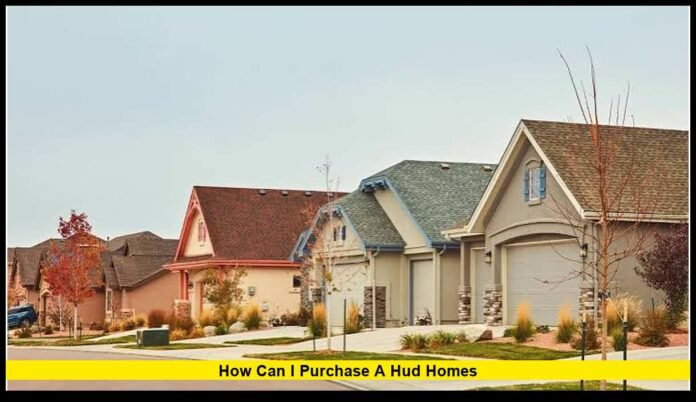

For Americans looking to become homeowners without exceeding their budgets, government-owned real estate can offer another option. Understanding how can i purchase a hud home starts with learning how the U.S. Department of Housing and Urban Development sells foreclosed properties, who can place bids, and what buyers should check before committing to a purchase.
HUD homes are generally properties acquired by the federal government following foreclosure on mortgages insured by the Federal Housing Administration. These properties are subsequently offered for sale under specific procedures that determine how buyers submit offers and complete transactions.
Although some HUD properties may be attractively priced, purchasing one requires careful planning. Buyers need to evaluate the home’s condition, arrange suitable financing, understand bidding restrictions, and prepare for expenses beyond the advertised price.
Where Buyers Can Find HUD Properties
The first step is identifying homes that are officially available for purchase. HUD-owned residential properties are listed through the government’s designated property sales system, with individual listings providing information about pricing, eligibility, and bidding deadlines.
Buyers should review listings regularly because availability can change quickly. A property that appears suitable may have specific restrictions affecting who can submit an offer or when bidding is permitted.
Working with a real estate broker registered to handle HUD transactions is essential. The broker can help arrange viewings, explain listing requirements, and submit an offer through the appropriate electronic bidding process.
Financing Options for HUD Homebuyers
Buyers can explore several ways to finance a HUD property, depending on their qualifications and the home’s condition.
- FHA mortgage: Eligible borrowers may qualify for a down payment as low as 3.5%, subject to applicable credit and underwriting requirements.
- Conventional mortgage: This option may suit buyers whose financial profiles and selected properties meet lender requirements.
- FHA 203(k) rehabilitation loan: Eligible buyers may finance a qualifying purchase and approved renovation expenses through a rehabilitation mortgage.
- Cash purchase: Buyers with sufficient funds can make an offer without obtaining a mortgage.
A lender should evaluate the property’s condition before the buyer commits to a financing plan. Homes with significant structural damage or other serious deficiencies may not qualify for standard mortgage financing.
Buyers should also account for earnest money, closing expenses, insurance, taxes, and repair costs when calculating how much cash they need.
Why Property Inspections Matter
HUD properties are generally sold as is, meaning buyers should not expect the government to correct defects before closing.
A home inspection can help identify problems involving the roof, foundation, plumbing, electrical systems, heating, and other essential components. Buyers should also investigate possible water damage, pest issues, and local building-code concerns.
Inspection access and deadlines depend on the transaction requirements. Buyers should clarify these details with their broker before submitting an offer.
A lower asking price may not represent good value if repairs are extensive. Comparing estimated renovation costs with similar homes in the neighborhood can help buyers make a more informed decision.
Who Gets Priority When Bidding?
HUD uses designated listing periods that can give eligible owner-occupants priority over investors. Under the standard exclusive listing policy for HUD-owned properties, the initial priority period is generally 15 days for properties marketed as insured or insured with escrow and five days for properties marketed as uninsured, subject to applicable program rules and exceptions.
Once the relevant exclusive period ends, other eligible buyers, including investors, may be allowed to participate.
Offers are evaluated under HUD’s procedures, and the highest offer does not necessarily guarantee acceptance. The amount HUD would receive after applicable costs and the terms of the listing can influence the decision.
Anyone researching how can i purchase a hud home should therefore check the property’s current eligibility status and bidding deadline rather than assume every listing follows an identical schedule.
Special Programs Worth Exploring
Certain homebuyers may qualify for programs that offer additional opportunities.
The Good Neighbor Next Door program, for example, provides eligible law enforcement officers, teachers, firefighters, and emergency medical technicians the opportunity to purchase certain designated properties at a 50% discount from the list price.
Participants must meet the program’s requirements, including applicable employment and principal-residence obligations. Eligible homes are limited, and the discount does not apply to every HUD property.
State and local housing agencies may also offer down payment assistance or other homeownership support. Buyers should confirm whether a particular program can be combined with their intended mortgage.
What Happens After an Offer Is Accepted?
An accepted bid starts the contractual process. Buyers must submit the required paperwork, provide the earnest money deposit, finalize financing, satisfy applicable conditions, and prepare for closing.
Deadlines can be strict, so buyers should keep in contact with their broker and lender throughout the transaction.
Before signing closing documents, review the purchase price, settlement statement, loan terms, title information, insurance arrangements, and any remaining contractual obligations.
The Bottom Line
HUD homes can provide another route into the U.S. housing market, but success depends on preparation rather than price alone. Buyers who research available properties, obtain financing guidance, inspect homes carefully, and understand the bidding process are better positioned to evaluate their options.
The right property should fit both the buyer’s budget and their long-term housing needs. Careful planning can help turn a government-owned property listing into a realistic homeownership opportunity.