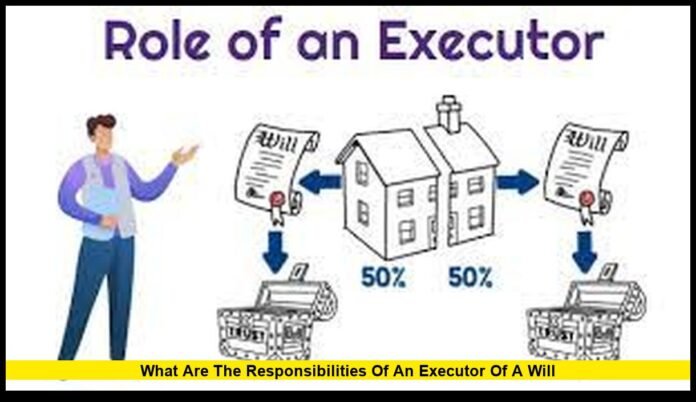

Understanding what are the responsibilities of an executor of a will is essential for anyone appointed to manage a deceased person’s estate. An executor is responsible for handling legal paperwork, identifying and protecting property, addressing outstanding debts, managing tax obligations, and distributing inheritances according to the will. In the United States, these duties are governed by state probate laws, the terms of the will, and applicable court orders.
Being named an executor is an important commitment. The person must manage the estate carefully, make decisions in the beneficiaries’ interests, and ensure that the deceased person’s financial affairs are handled properly. The role can involve working with banks, government agencies, attorneys, accountants, creditors, and family members.
Some estates are relatively straightforward, while others involve real estate, business interests, unpaid obligations, complicated tax matters, or disagreements among beneficiaries. Each situation requires careful attention to deadlines, documentation, and legal requirements.
What Does an Executor of a Will Do?
An executor is the individual named in a will to administer the deceased person’s estate. The executor’s primary responsibility is to carry out the will’s valid instructions while complying with applicable law.
In many cases, the nominated executor must first obtain formal appointment from the probate court. Once authorized, the executor can perform the duties permitted by state law and the court’s orders.
The principal responsibilities usually include:
- Filing the will with the appropriate probate court.
- Identifying the deceased person’s assets.
- Securing and maintaining estate property.
- Preparing an inventory and determining asset values.
- Notifying beneficiaries and creditors when required.
- Reviewing outstanding debts and financial claims.
- Managing estate funds and keeping detailed records.
- Filing required income tax and estate tax returns.
- Paying valid debts, taxes, and administration expenses.
- Distributing property to the rightful beneficiaries.
- Completing the final accounting and closing the estate.
An executor must distinguish between personal responsibilities and estate obligations. The executor manages estate property but does not automatically become the owner of that property or personally inherit the deceased person’s debts.
1. Filing the Will and Starting Probate
The first major task is usually locating the will and initiating the appropriate legal process.
Probate establishes the will’s validity when required and provides a framework for administering assets that fall within the estate. The process generally takes place in the jurisdiction associated with the deceased person’s residence, although property located elsewhere may require additional proceedings.
The executor should locate the original will, identify any amendments, and collect the documents needed for the probate application.
These documents may include:
- The original will and any codicils.
- The deceased person’s death certificate.
- Information about heirs and beneficiaries.
- Relevant property and financial records.
- The executor’s application for appointment.
- Other documents required by the court.
If the court approves the appointment, it may issue Letters Testamentary or comparable documents establishing the executor’s legal authority.
Financial institutions often require proof of that authority before allowing the executor to manage accounts held in the deceased person’s name.
Not all property necessarily goes through probate. Jointly owned assets, certain retirement accounts, life insurance proceeds payable to named beneficiaries, and assets held in properly structured trusts may transfer under separate arrangements.
The executor should identify which assets belong to the probate estate before making decisions about their management or distribution.
2. Finding and Protecting the Estate’s Assets
An executor must determine what the deceased person owned and take reasonable steps to preserve that property.
The estate may contain bank accounts, investment portfolios, real estate, vehicles, valuable personal belongings, business interests, and outstanding payments owed to the deceased.
The executor should review financial statements, tax returns, deeds, insurance policies, contracts, and other records to establish a complete picture of the estate.
Protecting assets may require immediate action. An unoccupied property may need insurance coverage and security arrangements. Vehicles may require safe storage, while a business may need continued oversight to protect its value.
The executor should also identify assets that generate income, such as rental properties or investments. Income received during administration must be recorded appropriately.
Estate property must remain separate from the executor’s personal finances. Mixing funds can make transactions difficult to trace and may raise concerns about misuse of estate money.
If the executor discovers missing property, unexplained withdrawals, or suspicious transactions, the executor should preserve the relevant records and seek appropriate legal advice.
3. Preparing an Inventory and Establishing Asset Values
An estate inventory helps document the property available for administration. Depending on the state, the executor may need to file the inventory with the probate court within a specified period.
The inventory should identify relevant assets, describe their ownership, and record their values as required.
For example, the estate may include a home, savings accounts, stocks, a vehicle, and valuable personal possessions. The executor should gather supporting records for these items.
Some property requires professional valuation. Real estate, business ownership interests, artwork, and specialized collections may need appraisals to establish a reasonable value.
Accurate valuations serve several purposes. They help determine the estate’s financial position, support tax reporting, inform potential sales, and provide beneficiaries with an understandable record of the property.
The executor should retain appraisals, account statements, and other supporting documents. If the value of an asset changes during administration, the executor should record relevant transactions and adjustments.
A complete inventory also helps identify whether the estate has enough liquid funds to cover its obligations without selling property unnecessarily.
4. Informing Beneficiaries and Other Interested Parties
Communication is an essential part of estate administration. Beneficiaries may want to know what they will receive, how long the process may take, and whether the estate has enough money to cover its obligations.
The executor should review the will to identify beneficiaries, specific gifts, and instructions concerning the remaining estate.
State law may require formal notices to beneficiaries, heirs, creditors, or other interested parties. The executor must follow the applicable rules and keep evidence of required notifications.
Good communication involves:
- Confirming beneficiaries’ contact information.
- Providing required legal notices.
- Explaining important stages of probate.
- Giving appropriate updates about significant delays.
- Responding to reasonable requests for estate information.
- Keeping records of important decisions and correspondence.
The executor should avoid making promises about inheritance payments before understanding the estate’s financial condition.
Outstanding claims, tax filings, court requirements, and property sales can delay distributions. Explaining these issues helps beneficiaries understand why the process may take longer than expected.
When disagreements arise, the executor should remain professional and impartial rather than allowing personal relationships to influence estate decisions.
5. Reviewing Creditor Claims and Paying Valid Debts
The executor must identify the deceased person’s outstanding financial obligations and determine how to address them.
Potential liabilities include credit card balances, medical expenses, mortgages, personal loans, utility bills, taxes, and other unpaid amounts.
The executor should review each claim carefully rather than paying every bill automatically. Creditors may submit incorrect balances, incomplete documentation, or claims that require legal evaluation.
The process generally involves:
- Identifying outstanding debts.
- Providing creditor notices when required.
- Reviewing submitted claims.
- Determining which claims are legally enforceable.
- Following the required payment priorities.
- Recording payments and retaining supporting documents.
State law may establish the order in which estate obligations must be paid. Administration expenses, certain taxes, secured debts, and other claims may receive different treatment depending on the jurisdiction.
If the estate cannot cover all valid obligations, the executor must follow the rules governing insolvent estates. Paying creditors in the wrong order may expose the executor to legal challenges.
The executor should also consider outstanding debts before distributing inheritances. Once estate funds have been transferred, recovering money may be difficult if additional obligations arise.
6. Keeping Estate Money and Financial Records Organized
Financial management continues throughout probate. The executor must record every significant transaction involving estate property.
These records should include money received, income earned, expenses paid, assets sold, debts settled, and distributions made to beneficiaries.
Opening a dedicated estate bank account is often a practical way to separate estate transactions from personal finances. The executor must follow the financial institution’s procedures and applicable legal requirements.
Important records may include:
- Bank and investment statements.
- Receipts for administration expenses.
- Creditor invoices and payment confirmations.
- Property maintenance bills.
- Records of income received after death.
- Documents relating to asset sales.
- Tax filings and payment confirmations.
- Beneficiary distribution records.
Accurate accounting helps demonstrate that estate funds have been handled properly. It also allows the executor to answer questions from beneficiaries or the probate court.
The executor should never use estate money for personal purchases or unrelated expenses. Any legitimate reimbursement should have a clear purpose and appropriate supporting documentation.
7. Handling the Deceased Person’s Final Income Taxes
An executor must determine whether the deceased person needs a final federal income tax return or has outstanding returns from earlier years.
When a final return is required, it generally reports income earned during the tax year through the date of death. The executor may need to gather wage statements, investment income records, tax documents, and information about allowable deductions.
The executor should review the deceased person’s previous filings to identify unresolved tax matters.
If a refund is due, the executor may need to follow specific procedures to claim it on behalf of the deceased person’s estate.
Federal income tax obligations are separate from estate income tax obligations. Income earned by the deceased before death is generally reported differently from income earned by the estate during administration.
State income tax requirements may also apply. The executor should determine which returns are required and track the relevant deadlines.
An accountant or tax professional can help with complicated returns, but the executor should monitor the process and ensure that required filings are completed.
8. Understanding Estate Income Tax and Federal Estate Tax
An estate may need a separate tax identification number and may have to file an income tax return for income generated after death.
For federal purposes, Form 1041 is used to report qualifying income of estates and trusts. Whether the estate must file depends on its income and other circumstances.
Estate income may include interest, dividends, rental receipts, and earnings from investments or business interests during administration.
Federal estate tax is a separate obligation. It concerns the transfer of a deceased person’s taxable estate and follows different filing rules from individual income tax and estate income tax.
The executor should determine whether a federal estate tax return is required under the rules applicable to the year of death. State estate or inheritance taxes may also apply.
A tax return may sometimes be required even when no tax ultimately has to be paid. The executor should therefore distinguish between a filing requirement and an actual tax liability.
The estate’s size, prior taxable gifts, applicable exclusions, and other circumstances may affect the filing decision. Professional tax advice is particularly valuable when the estate includes substantial assets, business ownership, or property in multiple states.
9. Maintaining or Selling Real Estate and Other Property
The executor may need to manage real estate, vehicles, investments, and personal belongings until they can be distributed or sold.
For real estate, responsibilities may include paying property taxes, maintaining insurance, arranging necessary repairs, securing the property, and addressing mortgage obligations.
If the estate requires cash to pay debts or expenses, the executor may need to sell certain assets. However, the executor must first establish that the sale is authorized under the will and applicable law.
Before selling property, the executor should evaluate its market value, outstanding loans, transaction costs, tax implications, and the estate’s financial needs.
Some transactions may require court approval. The executor should also consider whether the will specifically leaves the property to a beneficiary.
An executor should document the reasons for significant sales and retain the relevant contracts, valuations, and financial records.
Property should not be transferred to the executor, a relative, or another interested party on improper terms. Potential conflicts of interest require particular care.
10. Distributing Inheritances to Beneficiaries
Distributing the estate’s remaining property is a central responsibility of the executor.
Before making final distributions, the executor should assess whether outstanding debts, taxes, administration expenses, and potential claims have been addressed.
The will determines how probate property should be distributed, subject to applicable law and court orders.
Distribution may involve transferring money, changing property titles, delivering personal belongings, or arranging transfers of investment accounts.
The executor should verify each beneficiary’s identity and entitlement before completing a transfer. Written receipts or acknowledgments can help document that the property was delivered.
Some estates permit partial distributions before probate ends. However, the executor should ensure that sufficient assets remain to cover outstanding obligations.
If the will contains unclear instructions or beneficiaries disagree about their rights, the executor should avoid making assumptions. Legal guidance or a court decision may be necessary.
The executor cannot simply change the inheritance arrangement because they believe another outcome would be more appropriate.
11. Fulfilling Fiduciary Duties and Avoiding Conflicts
An executor generally acts in a fiduciary capacity. This means the executor must comply with legal duties when managing estate property and making decisions affecting beneficiaries.
The precise requirements depend on state law, but important principles commonly include loyalty, reasonable care, impartiality, and accurate accounting.
The executor must not use the position to obtain improper personal benefits. They should also avoid favoring one beneficiary over another without a valid legal basis.
If the executor is also a beneficiary, the person must still fulfill the duties associated with administering the estate.
Family disagreements can create pressure to make exceptions or distribute property early. The executor should rely on the will, applicable law, and the estate’s financial circumstances rather than personal preferences.
A failure to meet fiduciary obligations may lead to court intervention, removal, or liability for losses, depending on the facts and applicable law.
12. Preparing the Final Accounting and Closing the Estate
Estate administration generally concludes after the executor has addressed the necessary obligations and distributed the property that remains.
The executor may need to prepare a final accounting that summarizes the estate’s financial activity.
This report may show:
- Assets collected and their recorded values.
- Income earned during administration.
- Debts and expenses paid.
- Property sold and sale proceeds.
- Taxes paid.
- Distributions made to beneficiaries.
- Remaining estate funds or property.
Depending on state law, the executor may have to file the accounting with the court, provide it to beneficiaries, obtain approval, or complete other closing procedures.
The executor should also ensure that required tax returns have been filed and outstanding obligations resolved.
Some estates qualify for simplified closing procedures, while others require additional documentation or court involvement.
Once all applicable requirements have been satisfied, the executor can complete the estate-closing process and seek a formal discharge if the jurisdiction provides for one.
Can an Executor Be Held Personally Responsible for Mistakes?
An executor may face personal liability for certain actions or failures to fulfill legal obligations. However, ordinary mistakes do not automatically result in personal liability in every case.
Potential problems include misusing estate funds, making unauthorized transactions, ignoring required deadlines, or distributing property before addressing obligations that should have been paid first.
For example, an executor who improperly distributes estate funds may face a claim if the estate subsequently cannot meet legally enforceable obligations.
The consequences depend on the facts, the applicable law, and whether the executor breached a legal duty.
Maintaining detailed records, following court instructions, and obtaining professional advice when necessary can reduce the risk of costly mistakes.
Does an Executor Receive Compensation?
An executor may receive payment for administering an estate. The amount depends on state law, the terms of the will, the work involved, and any applicable approval requirements.
Some jurisdictions establish statutory compensation rules. Others allow reasonable fees based on the circumstances.
An executor may also be entitled to reimbursement for legitimate expenses incurred while performing estate duties. Such expenses should be documented and handled according to applicable rules.
The executor should not take an arbitrary payment from estate funds. Compensation and reimbursement must follow the relevant legal requirements.
A person named in a will can generally decline to serve by following the applicable procedure. A successor executor or another eligible person may then be appointed.
How Long Does an Executor Have to Complete Probate?
The time required to settle an estate varies. There is no single nationwide deadline that applies to every estate.
A straightforward estate may be administered relatively quickly. Estates involving multiple properties, complex finances, unresolved claims, tax matters, or beneficiary disputes may take substantially longer.
The executor must track deadlines for individual tasks, including court filings, creditor notices, inventories, and tax returns.
The executor should also avoid promising a final distribution date until the estate’s financial position and legal obligations are sufficiently clear.
Executor of a Will: Essential Checklist
The following checklist provides a practical overview of the process:
- Locate the will and related documents.
- Obtain death certificates and financial records.
- File the will with the appropriate probate court.
- Apply for appointment when required.
- Identify and protect estate assets.
- Prepare an inventory and obtain valuations.
- Notify beneficiaries and creditors when required.
- Review outstanding debts and claims.
- Maintain separate estate financial records.
- Obtain an EIN when necessary.
- File required individual and estate tax returns.
- Maintain or sell assets as legally authorized.
- Pay valid debts, taxes, and administration expenses.
- Distribute inheritances according to the will.
- Prepare the final accounting.
- Complete the required estate-closing procedures.
The executor should adapt these steps to the will, the estate’s circumstances, and the laws of the relevant state.
Frequently Asked Questions
What are the main duties of an executor of a will?
The executor manages estate property, handles probate paperwork, reviews debts, addresses tax requirements, pays valid obligations, communicates with beneficiaries, distributes inheritances, and completes the final accounting.
Does an executor have to follow every instruction in the will?
An executor generally must follow the will’s valid instructions, subject to state law and court orders. If an instruction is unclear or legally problematic, the executor may need legal advice or a court ruling.
Can an executor use the deceased person’s bank account?
An executor may be able to manage estate funds after receiving the required legal authority and satisfying the financial institution’s procedures. The executor must use the funds only for authorized estate purposes.
Can an executor be a beneficiary?
Yes. The same person can serve as executor and receive an inheritance. However, the executor must still act in accordance with fiduciary duties and cannot misuse the role for personal benefit.
Can an executor distribute money before all debts are paid?
An executor should generally address debts and administration expenses before making final distributions. Partial distributions may be permitted under applicable law, but the executor must consider remaining obligations and potential claims.
What happens if an executor refuses to perform their duties?
Depending on the circumstances, an interested party may ask the probate court to require action, order an accounting, or remove the executor. The available remedies depend on state law.
Is an executor responsible for paying debts from personal funds?
Generally, estate debts are paid from estate assets rather than automatically from the executor’s personal money. However, personal liability may arise from certain misconduct or improper administration.
Can an executor sell a house that the will leaves to a beneficiary?
The answer depends on the will, state law, the estate’s financial needs, and any court requirements. The executor should not assume that a sale is permitted without reviewing the applicable restrictions.
Does every estate require probate?
No. Some estates qualify for simplified procedures, while certain assets transfer outside probate through joint ownership, beneficiary designations, or trusts. The applicable state rules determine the process.
How does an executor prove that the estate was managed properly?
The executor should maintain inventories, bank statements, receipts, tax records, creditor payments, sale documents, beneficiary communications, and distribution acknowledgments. These records support the estate’s accounting.
Can an executor be removed?
A probate court may remove an executor when legally justified, such as in certain cases involving misconduct, failure to perform required duties, conflicts, or other grounds recognized by state law.
Should an executor hire an attorney?
Legal assistance can be particularly helpful when an estate includes substantial property, disputes, complicated tax matters, multiple jurisdictions, or uncertainty about the executor’s authority. Whether professional representation is necessary depends on the estate and applicable rules.
Final Thoughts
Administering a will requires careful planning, responsible financial management, clear communication, and compliance with legal requirements. An executor must protect estate assets, address valid obligations, maintain accurate records, and distribute property according to the deceased person’s wishes and applicable law. Understanding these responsibilities can make the process more manageable and help prevent unnecessary disputes.
Have you served as an executor or are you preparing to manage an estate? Share your questions or experiences in the comments and stay informed about important estate administration developments.