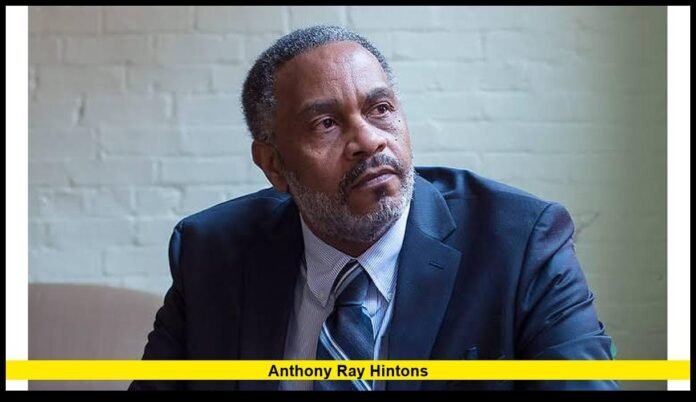

The story of Anthony Ray Hinton remains a powerful example of how a flawed criminal case can devastate an innocent person’s life. After spending nearly three decades on Alabama’s death row, Hinton was released in 2015 when prosecutors abandoned the case against him. Today, his experience continues to inform national discussions about wrongful convictions, forensic evidence, effective legal representation, and the fairness of capital punishment.
A Wrongful Conviction That Lasted Nearly 30 Years
Hinton’s ordeal began in 1985, when he was arrested in connection with fatal shootings during restaurant robberies in the Birmingham, Alabama, area. Prosecutors alleged that a revolver recovered from his mother’s home had been used in the crimes.
The firearm evidence became central to the state’s case. Hinton maintained that he had not committed the shootings, but the prosecution presented ballistics testimony connecting the bullets to the weapon.
The defense faced significant disadvantages in challenging that evidence. His court-appointed attorney misunderstood the rules governing funding for expert witnesses and failed to secure the strongest possible independent examination of the state’s conclusions.
Hinton was convicted of capital murder and sentenced to death. He spent the following decades imprisoned while continuing to insist that he was innocent.
His case illustrates how the outcome of a criminal trial can depend on the quality of forensic analysis and the resources available to the defense. When scientific testimony is presented as decisive evidence, weaknesses in the methods or the ability to challenge them can have life-altering consequences.
The Legal Breakthrough That Reopened the Case
A major turning point came in 2014, when the U.S. Supreme Court unanimously ruled that Hinton’s trial attorney had provided constitutionally deficient representation.
The Court focused on the attorney’s failure to seek additional funding for a qualified firearms expert, a decision rooted in a mistaken understanding of Alabama law. The ruling did not immediately establish Hinton’s innocence, but it allowed further legal proceedings and renewed scrutiny of the conviction.
Subsequent examinations weakened the prosecution’s firearms evidence. Independent experts questioned the reliability of the claimed connection between the bullets and the revolver associated with Hinton.
The developments created serious problems for a conviction that had relied heavily on the ballistics testimony. After additional proceedings, prosecutors chose not to retry him.
On April 3, 2015, Hinton walked free from prison in Birmingham. His release ended almost 30 years of confinement for crimes he maintained he had never committed.
The case became an important example of the need for competent defense attorneys, reliable scientific evidence, and meaningful opportunities to challenge questionable convictions.
Public Advocacy Continues in 2026
Hinton has continued speaking publicly about his experience and the reforms he believes are necessary to prevent similar miscarriages of justice. His appearances in early 2026 included events in California, where he discussed his imprisonment and the broader consequences of wrongful convictions.
During these engagements, his message has remained focused on accountability, human dignity, and the importance of examining how criminal cases are built. His experience offers audiences a firsthand perspective on the lasting effects of a conviction based on evidence that later fails to withstand scrutiny.
His work also highlights the challenges people face after leaving prison. Exoneration restores freedom, but rebuilding a life after decades of incarceration can require considerable emotional adjustment and practical support.
The Continuing Question of Compensation
One unresolved issue surrounding Hinton’s case is financial compensation for the years he lost.
After his release, Hinton sought approximately $1.5 million from Alabama for his wrongful imprisonment. His claim received approval from the state’s compensation review committee, but legislation needed to authorize the payment did not advance.
Publicly available information through 2026 continues to indicate that he has not received compensation from the state for his wrongful incarceration.
The situation illustrates a broader problem in the United States: being cleared of a crime does not always guarantee meaningful financial assistance. Compensation procedures differ by state, and some require additional legislative action even after a claim has been approved.
For exonerees, the consequences can be substantial. Years spent behind bars can mean lost income, limited employment opportunities, disrupted family relationships, and little financial security upon release.
Hinton’s experience has therefore become part of a larger debate over whether governments should provide consistent support to people whose convictions are overturned.
His Memoir Introduced His Story to Millions
Hinton’s 2018 memoir, The Sun Does Shine: How I Found Life and Freedom on Death Row, brought his experience to a wider audience.
The book became a bestseller and an Oprah’s Book Club selection. It describes the uncertainty of living under a death sentence, the friendships that helped him endure imprisonment, and the determination required to continue fighting for freedom.
Its impact extends beyond the details of his legal case. The memoir explores how a person can preserve hope and identity while facing circumstances that appear almost impossible to change.
Hinton’s account also challenges readers to consider the human cost of criminal justice errors. A wrongful conviction affects not only the person imprisoned but also relatives, friends, and communities that must live with its consequences.
Why His Case Remains Important
The central lesson of Hinton’s experience is that a criminal justice system must be capable of correcting its mistakes before they become irreversible.
Reliable forensic testing, properly funded defense teams, and meaningful review of disputed convictions are essential safeguards. His case also demonstrates why courts must examine the quality of legal representation rather than assuming that every defendant has received an adequate defense simply because an attorney was appointed.
Capital punishment makes these concerns especially serious. When a death sentence rests on evidence that has not been adequately challenged, the consequences of an error can be permanent.
As Hinton continues his advocacy, his story remains relevant to ongoing discussions about fairness in criminal trials, the treatment of incarcerated people, and the responsibilities of governments toward those they wrongfully imprison.
His release marked the end of an extraordinary legal struggle, but the questions raised by his case remain unresolved for many others.