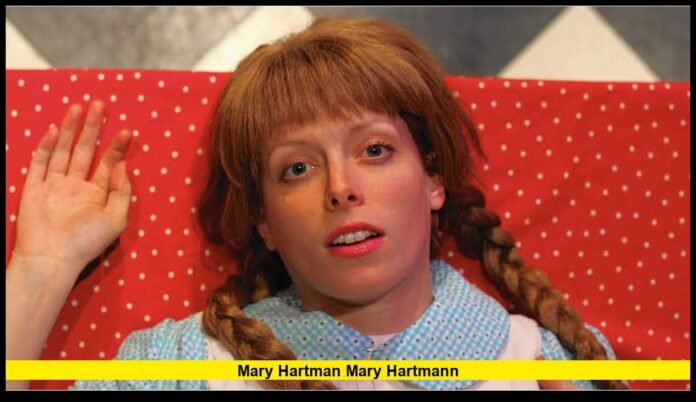

The original series premiered on January 5, 1976, and ran through 1977, producing 325 episodes during its relatively short broadcast history. Its enormous episode count reflected the daily production schedule, which borrowed heavily from the conventions of daytime soap operas.
Unlike traditional sitcoms built around a familiar setting and a self-contained story each week, the program developed a continuing narrative filled with family conflicts, unexpected revelations, and increasingly absurd situations. Its stories often unfolded with the seriousness of a dramatic serial, even when the events themselves were deliberately ridiculous.
The format allowed the writers to examine social issues without presenting the show as a conventional educational drama. Consumerism, family relationships, marriage, mental health, media influence, and the pressure to maintain appearances all became part of its satirical world.
The fictional town of Fernwood, Ohio, served as a microcosm of American society. Its residents attempted to follow familiar social rules even when their circumstances made those rules seem increasingly unreasonable.
This contrast between an ordinary setting and extraordinary events became one of the show’s defining characteristics.
Louise Lasser’s Performance Defined the Series
Louise Lasser brought an unusual combination of vulnerability, discomfort, and deadpan humor to the title role. Rather than playing Mary as a conventional comedic heroine, she portrayed a woman who appeared increasingly unable to process the strange events surrounding her.
Mary’s anxious expressions, hesitant reactions, and attempts to maintain domestic order made the character memorable. She was neither an all-knowing observer nor a confident problem-solver. Instead, she often appeared confused by the expectations imposed on her.
That performance helped transform the show’s satire into something more emotionally complicated. Audiences could recognize the absurdity of Mary’s circumstances while also understanding her desire for stability.
Lasser received a Primetime Emmy nomination for her work, confirming the industry’s recognition of a performance that did not fit neatly into traditional comedy categories.
Her career extended beyond the series. She appeared in several films associated with Woody Allen, including Take the Money and Run and Bananas, and later took roles in productions such as Happiness and Requiem for a Dream. Her television work also included appearances on established series and a later role in Girls.
Louise Lasser’s Death and Her Television Legacy
Lasser died at her home in Manhattan on July 6, 2026, at age 87. News of her death prompted renewed interest in her most recognizable performance and the unusual television series that brought her widespread attention.
Her passing during the show’s 50th anniversary year made 2026 a particularly meaningful period for revisiting her career.
The anniversary offers a chance to consider the contribution she made to television comedy. Her portrayal demonstrated that a character could be simultaneously funny, vulnerable, uncomfortable, and difficult to categorize.
Rather than relying on exaggerated physical comedy or constant punchlines, Lasser frequently allowed a pause, facial expression, or uncertain reaction to carry the humor.
That restrained style helped distinguish her performance from the more conventional sitcom acting of the period.
Norman Lear’s Creative Vision and Cultural Impact
Norman Lear was already an influential television producer when he developed the series. His earlier work had demonstrated that comedy could address subjects that television had often avoided, including prejudice, political disagreements, generational conflict, and social inequality.
This production pushed that approach into less familiar territory. Instead of building its stories around a conventional sitcom structure, it used the conventions of serialized melodrama to create a satirical portrait of American life.
Lear’s interest in the format reflected his understanding of television itself. Soap operas were popular because viewers developed attachments to characters and returned to follow their continuing problems. By exaggerating those conventions, the series invited audiences to question why certain stories were considered entertaining and how television shaped public perceptions.
Lear died on December 5, 2023, at age 101. His influence remains visible across generations of television writers and producers who use comedy to examine uncomfortable social realities.
The Influence on Later Television Programs
The show’s influence can be considered alongside several later productions that combined comedy, melodrama, and social satire.
Soap, which premiered in 1977, used outrageous serialized storytelling to parody daytime dramas. Later programs such as Twin Peaks, Desperate Housewives, Arrested Development, and Curb Your Enthusiasm explored different approaches to unconventional characters, heightened situations, or uncomfortable humor.
These programs were not identical in style or subject matter, but they demonstrated the continuing appeal of television that refuses to follow familiar storytelling rules.
The original production also showed that a series could sustain a continuing narrative while making the conventions of television entertainment part of its subject.
Meet the Cast Behind Fernwood’s Unusual World
The supporting cast played an essential role in making the fictional community believable. Although Mary remained the central figure, the people around her provided contrasting personalities, competing ambitions, and additional sources of conflict.
- Greg Mullavey as Tom Hartman: Mary’s husband, whose relationship with her formed an important part of the domestic storyline.
- Mary Kay Place as Loretta Haggers: Mary’s neighbor, an aspiring country singer whose ambitions created a contrast with Mary’s more restricted domestic life.
- Graham Jarvis as Charlie Haggers: Loretta’s husband, whose relationship with Loretta contributed to the show’s family-centered storytelling.
- Debralee Scott as Cathy Shumway: Mary’s younger sister, who formed part of the extended family network.
- Dody Goodman as Martha Shumway: Mary’s mother, whose presence helped develop the show’s exploration of family relationships.
- Philip Bruns as George Shumway: Mary’s father, another member of the family at the center of the fictional community.
Mary Kay Place became especially memorable for her performance as Loretta. The character’s desire to pursue a singing career offered a different perspective on ambition, identity, and the struggle to move beyond familiar surroundings.
The ensemble’s strength came from the contrast between recognizable personal concerns and the increasingly unusual situations confronting the characters.
The Proposed Revival: Why the Modern Adaptation Never Arrived
The original series attracted renewed attention in 2021 when Sony Pictures Television developed a proposed adaptation starring Emily Hampshire, known for playing Stevie Budd in Schitt’s Creek.
The planned project aimed to translate the original program’s satire of consumer culture into a world dominated by social media, online celebrity, and viral attention.
Hampshire was attached to star, co-write, and executive-produce the proposed series alongside Jacob Tierney, who was expected to serve as showrunner. Norman Lear was also involved in the project’s development.
In July 2021, TBS ordered the revival. However, the project was subsequently scrapped in April 2022 amid a broader shift away from scripted programming at the network.
Lear continued to pursue the idea before his death in 2023, but the revival never reached viewers as a completed television series.
How the Reboot Would Have Updated the Original Premise
The proposed adaptation was designed to reflect the modern attention economy. In the concept announced by Sony, an ordinary small-town woman would suddenly become a recognizable online personality after a personal breakdown went viral.
That premise would have explored how private experiences can become public entertainment in an environment where popularity, advertising, and personal identity frequently overlap.
The idea also offered an opportunity to examine the pressures of maintaining an online image. A person who becomes famous unexpectedly may find that public attention changes personal relationships and creates new demands.
These subjects fit naturally with the original program’s interest in consumerism and the commercialization of everyday life.
Nevertheless, the announced concept should not be confused with a completed production. As of October 15, 2026, no confirmed premiere date or completed revival has been established in the latest verifiable information available.
Why the 50th Anniversary Matters in 2026
The 50th anniversary provides an opportunity to revisit the show’s place in American television history.
When the series debuted in 1976, television was becoming more willing to challenge conventional portrayals of family life. Lear’s productions were part of that broader shift, using humor to expose tensions beneath familiar domestic arrangements.
This program took a different route from his more widely recognized sitcoms. Its daily format, serialized stories, and deliberately uncomfortable humor made it a distinctive experiment.
The anniversary also invites audiences to consider how much the media environment has changed. In the 1970s, television networks and advertisers held considerable influence over the images and messages presented to the public. Today, social platforms allow individuals to become public figures while blurring the boundaries between private life, entertainment, and commercial content.
The similarities between those environments help explain why the proposed revival attracted attention, even though it never reached the screen.
How to Watch the Original Series Today
Viewers interested in exploring the program can check current streaming catalogs, television archives, and physical-media collections. Availability may vary depending on licensing agreements and geographic location.
Because the show contains 325 episodes, watching the opening installments is a useful way to understand its original premise and tone. Early episodes introduce Mary, her family, and the fictional town of Fernwood before the continuing storyline becomes more complicated.
Watching the series in its historical context can also clarify its satire. Some jokes and cultural references reflect the social assumptions of the 1970s, while its broader observations about domestic expectations and media influence remain recognizable.
The show’s unusual rhythm may take time to appreciate, particularly for viewers accustomed to contemporary sitcoms. Its humor often emerges from repetition, uncomfortable pauses, and the contrast between a character’s emotional reaction and the extraordinary circumstances surrounding them.
For television enthusiasts, the series offers an opportunity to experience a distinctive chapter in the evolution of American comedy.
Frequently Asked Questions
When did the original series premiere?
The program premiered on January 5, 1976, and continued through 1977. It produced 325 episodes during its original run.
Who created the series?
Norman Lear developed and produced the program, working with a creative team that included Gail Parent, Ann Marcus, Jerry Adelman, and Daniel Gregory Browne.
What happened to Louise Lasser?
Lasser died on July 6, 2026, at age 87, at her home in Manhattan. She remains best known for her portrayal of Mary Hartman.
Will Emily Hampshire star in the revival?
Hampshire was attached to the proposed adaptation announced in 2021. However, that project was scrapped in 2022, and no confirmed premiere date for a new version has been established.
Why is the series still remembered?
Its unusual combination of soap-opera melodrama, dark comedy, and social criticism helped distinguish it from conventional sitcoms. Its exploration of consumer culture and domestic expectations also continues to attract interest.
Conclusion
The story of this unconventional television production is closely connected to the creative vision of Norman Lear and the distinctive performance of Louise Lasser. Its 50th anniversary in 2026 has renewed interest in the program, particularly following Lasser’s death and continuing questions about the proposed modern adaptation.
For viewers familiar with the original episodes, the anniversary offers a chance to revisit an influential experiment in television storytelling. For newcomers, it provides an introduction to a series that challenged the boundaries between comedy, drama, and social commentary.
Although the revival starring Emily Hampshire never reached the screen, the original production remains a notable example of how television can question the culture it reflects.
Have you watched this classic television series, or do you think its satirical approach would work for modern audiences? Share your thoughts in the comments and follow the latest entertainment updates.