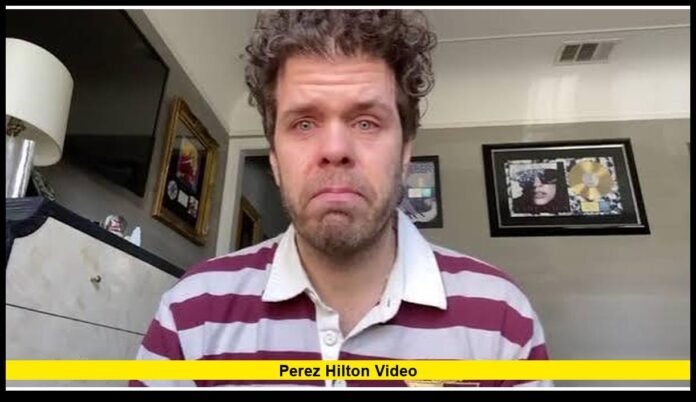

The Perez Hilton video has become one of the biggest trending topics online after reports emerged of a disturbing livestream involving celebrity blogger and media personality Perez Hilton. Within hours, discussions spread across social media platforms, driving millions of searches as users sought reliable information about what happened. While speculation has been widespread, only limited details have been confirmed, making it important to separate verified developments from online rumors.
A Rapidly Developing Story
The incident quickly gained attention after viewers reported that Perez Hilton briefly appeared in a livestream that allegedly showed him experiencing a severe personal crisis. The broadcast reportedly ended abruptly, but clips, screenshots, and descriptions circulated online almost immediately.
As the content spread, social media platforms moved quickly to remove uploads that violated their policies regarding graphic or disturbing material. Even though the original footage became increasingly difficult to locate, conversations about the incident continued to dominate trending topics across multiple platforms.
Because of the speed at which information travels online, many early reports contained conflicting details. Some accounts relied on eyewitness descriptions, while others repeated unverified claims. This has made it challenging for the public to determine exactly what occurred.
How the Story Spread Across Social Media
The news first gained traction through real-time posts from viewers who claimed they had witnessed the livestream. Those posts were rapidly shared, prompting thousands of additional users to search for information.
Within a short period, hashtags connected to Perez Hilton began appearing on trending lists, while discussion forums filled with reactions from people attempting to piece together the timeline of events.
Unlike many viral stories centered on entertainment or celebrity gossip, this incident quickly shifted into a conversation about mental health, online responsibility, and the impact of livestreaming personal crises in front of large audiences.
Many users encouraged others not to search for the footage, emphasizing that sharing graphic content only increases harm for those involved.
What Has Been Reported
According to multiple reports circulating online, Perez Hilton appeared distressed during the livestream before the broadcast ended unexpectedly. Emergency responders were reportedly contacted shortly afterward.
Although numerous online posts describe the sequence of events, officials have released only limited information, leaving several aspects of the incident unconfirmed.
This lack of official detail has contributed to widespread speculation, but it has also highlighted the importance of waiting for verified updates before accepting claims shared on social media.
For readers following the story, the most reliable approach is to distinguish confirmed developments from assumptions repeated without evidence.
Why the Original Footage Is No Longer Easy to Find
One of the most common questions surrounding the story is why the video disappeared so quickly.
The answer lies largely in the content moderation systems used by today’s largest social media platforms. Material involving graphic violence, self-harm, or other disturbing imagery typically violates community standards and is removed soon after it is detected.
Automated moderation tools identify many uploads almost immediately, while user reports help remove additional copies before they can spread widely.
As a result, many people searching online now encounter reaction videos, discussions, or news coverage instead of the original broadcast.
This approach reflects a broader effort by technology companies to reduce the circulation of harmful material while still allowing conversations about significant news events to continue.
Public Concern Overshadowed Curiosity
Although celebrity stories often generate curiosity, public reaction to this incident has largely focused on concern rather than entertainment.
Across social media, thousands of comments expressed hope that Perez Hilton receives appropriate medical care and support. Others urged users not to repost graphic material or speculate about circumstances that have not yet been officially confirmed.
Mental health advocates also reminded audiences that individuals experiencing personal crises deserve privacy and compassion instead of becoming the subject of viral content.
The overwhelming tone of online discussions shifted from curiosity to empathy as more users learned about the nature of the reported incident.
Perez Hilton’s Recent Personal Challenges
The latest reports come during a period that has already been difficult for Perez Hilton.
Earlier this year, he publicly discussed recovering from a serious illness that required an extended hospitalization. He later shared personal reflections about his recovery, describing how the experience changed his outlook on life.
He also spoke openly about reevaluating aspects of his career and relationships, telling followers that his priorities had evolved over time.
Those earlier updates led many longtime followers to believe he was entering a healthier chapter before the recent developments became public.
The Risks of Real-Time Livestreaming
The incident has renewed discussions about how livestreaming technology can amplify personal emergencies.
Unlike traditional media, livestreams unfold without editing or delay, allowing events to reach audiences instantly before moderators have an opportunity to intervene.
While livestreaming has become an important tool for creators, businesses, and public figures, experts have increasingly warned that it can also expose vulnerable moments to millions of viewers within seconds.
The widespread attention surrounding this incident illustrates how quickly digital platforms can transform deeply personal experiences into global conversations.
The Growing Debate Over Platform Responsibility
Another major discussion emerging from the incident concerns the responsibilities of social media companies.
Some users believe platforms acted appropriately by removing graphic material quickly.
Others argue that moderation systems should identify dangerous situations even faster and connect users with crisis intervention resources before harmful content spreads.
Technology companies continue investing in artificial intelligence and human moderation teams designed to identify concerning broadcasts in real time.
Despite those improvements, no system can completely prevent unexpected livestreams from briefly appearing online before action is taken.
The debate surrounding digital safety is likely to continue as livestreaming becomes an even more central part of online communication.
How Rumors Can Spread Faster Than Facts
One lesson from this developing story is how rapidly misinformation can circulate during breaking events.
When official information is limited, social media often fills the gap with speculation.
Individual posts may be repeated thousands of times, giving unsupported claims the appearance of credibility even when no evidence exists.
Readers should therefore approach viral posts carefully, especially when they include dramatic details that have not been confirmed by authorities or reliable reporting.
Waiting for verified information helps reduce confusion and prevents inaccurate stories from gaining additional attention.
Why Many People Are Choosing Not to Watch
As conversations continued online, many internet users actively discouraged others from searching for the footage.
Instead of focusing on graphic material, discussions increasingly centered on respecting privacy and recognizing the human impact of traumatic events.
Mental health organizations have long emphasized that repeatedly viewing or sharing distressing videos can negatively affect both viewers and those directly involved.
This growing awareness appears to have influenced public behavior, with many users encouraging empathy over sensationalism.
The Broader Conversation About Mental Health
Beyond the immediate headlines, the incident has reopened broader discussions about mental health among public figures.
Celebrities often face intense public scrutiny, constant online commentary, and significant professional pressure. While fame can provide opportunities, it can also create challenges that are difficult for audiences to fully understand.
Mental health advocates continue encouraging open conversations about emotional well-being, early intervention, and seeking professional support when needed.
The response to this story demonstrates that many online communities are becoming more aware of the importance of compassion during moments of crisis.
Latest Situation
As of today, only limited official information has been released regarding the incident. Reports indicate that emergency services responded following the livestream, but authorities have not publicly confirmed every detail circulating online.
Meanwhile, the Perez Hilton video remains unavailable on most major platforms because uploads containing graphic material continue to be removed under existing community guidelines.
News organizations and online communities alike continue monitoring developments, and additional verified information may emerge as officials provide further updates.
Until then, readers are encouraged to rely on credible reporting rather than rumors circulating across social media. The incident serves as another reminder of how quickly digital platforms can amplify breaking events—and why careful verification remains essential before drawing conclusions.
As this story continues to unfold, the focus remains not only on understanding what happened but also on promoting responsible online behavior, respecting privacy, and encouraging thoughtful discussions surrounding mental health and digital media. Those themes are likely to remain at the center of public conversation long after the initial headlines fade.