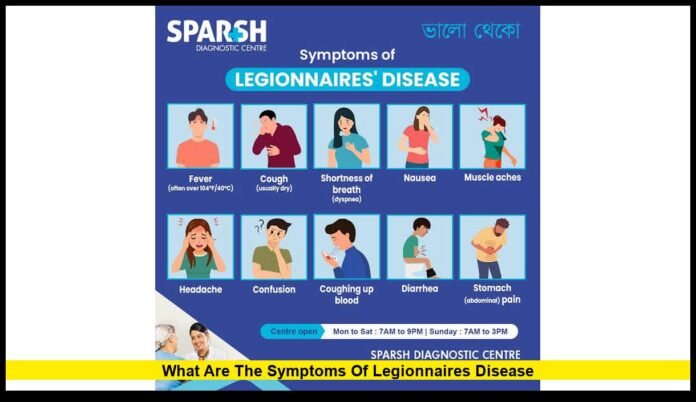

Legionnaires’ disease is a potentially serious bacterial infection that affects the lungs and can lead to severe pneumonia if it is not treated quickly. Although it is not among the most common respiratory illnesses, health experts continue to monitor cases each year because outbreaks can occur when Legionella bacteria grow in contaminated water systems.
If you’ve been wondering what are the symptoms of legionnaires disease, understanding the early warning signs can help you seek medical care before the infection becomes more severe. Most people recover with appropriate antibiotic treatment, but early diagnosis is one of the most important factors in preventing complications.
╔════════════════════════════════════════════════════════════════════╗
║ – Legionnaires’ disease is caused by Legionella bacteria found in contaminated water systems. ║
║ – Symptoms usually begin 2–10 days after exposure. ║
║ – Fever, cough, chills, muscle aches, and breathing problems are the most common signs. ║
║ – Older adults, smokers, and people with weakened immune systems have the greatest risk of severe illness. ║
║ – Prompt medical treatment with antibiotics greatly improves recovery. ║
╚════════════════════════════════════════════════════════════════════╝
What Is Legionnaires’ Disease?
Legionnaires’ disease is a severe form of pneumonia caused by Legionella bacteria. These bacteria naturally live in lakes, rivers, and streams, but they become a health concern when they multiply in man-made water systems that are not properly maintained.
People become infected after inhaling tiny droplets of contaminated water. Unlike viral respiratory illnesses, Legionnaires’ disease is almost never spread directly from one person to another.
Common environments where the bacteria may grow include:
- Cooling towers
- Hot tubs and whirlpools
- Decorative fountains
- Hotel plumbing systems
- Hospitals
- Office buildings
- Cruise ships
- Large apartment complexes
- Industrial water systems
What Are the Symptoms of Legionnaires Disease?
Symptoms generally appear between 2 and 10 days after exposure, although some cases may take slightly longer.
The illness often begins with mild flu-like symptoms before progressing to pneumonia.
High Fever
A sudden fever, often above 102°F (39°C), is one of the earliest and most common symptoms. Many patients also experience intense chills.
Persistent Cough
The cough usually starts dry but may later produce mucus. In severe cases, small amounts of blood may be present in the sputum.
Difficulty Breathing
As pneumonia develops, breathing may become increasingly difficult. Some people experience shortness of breath during normal activities, while others require emergency medical care.
Muscle and Joint Pain
Many patients report widespread body aches affecting the arms, legs, back, and shoulders. These symptoms often resemble those of influenza.
Headache
Moderate to severe headaches commonly appear during the early stages of the illness and may continue for several days.
Extreme Fatigue
Feeling unusually tired or weak is another common symptom. Even routine daily activities may become exhausting.
Chest Pain
Pain or discomfort while taking deep breaths or coughing can occur as the lungs become inflamed.
Digestive Problems
Unlike many other types of pneumonia, Legionnaires’ disease often affects the digestive system.
Possible symptoms include:
- Diarrhea
- Nausea
- Vomiting
- Abdominal discomfort
- Reduced appetite
Confusion or Mental Changes
Older adults are more likely to develop confusion, dizziness, or changes in mental alertness. These symptoms usually indicate a serious infection that requires immediate medical attention.
How Symptoms Typically Progress
Early Stage
- Fever
- Headache
- Muscle aches
- Fatigue
- Chills
Intermediate Stage
- Persistent cough
- Increasing fever
- Shortness of breath
- Weakness
Advanced Stage
- Severe pneumonia
- Chest pain
- Low oxygen levels
- Confusion
- Respiratory failure in serious cases
Without treatment, the condition can worsen rapidly over several days.
Who Is Most at Risk?
Although anyone can develop Legionnaires’ disease, certain groups are more vulnerable.
Risk factors include:
- Being over 50 years of age
- Smoking or a history of smoking
- Chronic lung disease
- Diabetes
- Kidney disease
- Cancer
- A weakened immune system
- Organ transplantation
- Long-term use of immune-suppressing medications
Individuals with these risk factors should seek medical care promptly if pneumonia symptoms develop.
How Does Legionnaires’ Disease Spread?
Legionnaires’ disease is caused by inhaling microscopic water droplets that contain Legionella bacteria.
Possible exposure sources include:
- Cooling towers used in commercial buildings
- Hotel and resort plumbing
- Hospital water supplies
- Public fountains
- Hot tubs and spas
- Industrial cooling systems
- Large residential plumbing systems
Simply drinking contaminated water rarely causes the disease because stomach acid usually destroys the bacteria.
How Doctors Diagnose the Disease
Doctors may suspect Legionnaires’ disease when a patient has pneumonia combined with certain symptoms or recent exposure to large buildings, hotels, hospitals, or other locations with complex water systems.
Diagnostic tests may include:
- Chest X-rays
- Urine antigen testing
- Blood tests
- Sputum cultures
- Molecular laboratory testing
Early diagnosis allows treatment to begin before complications develop.
Treatment Options
Legionnaires’ disease requires antibiotic treatment prescribed by a healthcare professional.
Depending on the severity of the infection, treatment may involve:
- Oral antibiotics
- Intravenous antibiotics
- Oxygen therapy
- Hospital admission
- Intensive care for critically ill patients
Many patients begin to improve within several days of starting antibiotics, although complete recovery may take weeks.
Possible Complications
Without timely treatment, Legionnaires’ disease can cause serious health problems, including:
- Respiratory failure
- Septic shock
- Kidney damage
- Multi-organ failure
- Long-term weakness
- Death in severe cases
The risk of complications is highest among older adults and people with chronic medical conditions.
Can Legionnaires’ Disease Be Prevented?
Yes. Preventing bacterial growth in water systems is the most effective way to reduce infections.
Preventive measures include:
- Maintaining building plumbing systems
- Regular cleaning of cooling towers
- Proper hot tub maintenance
- Monitoring water quality
- Preventing stagnant water
- Implementing water management programs in large facilities
Routine maintenance helps limit the growth and spread of Legionella bacteria.
When Should You See a Doctor?
Seek medical attention immediately if you develop:
- A high fever
- Persistent cough
- Difficulty breathing
- Chest pain
- Confusion
- Symptoms that worsen over a short period
Early treatment significantly improves the chances of a full recovery.
Why Awareness Is Important
Because Legionnaires’ disease often begins with symptoms that resemble influenza or other respiratory infections, many people may not realize they have a serious bacterial illness. Recognizing the warning signs and seeking prompt medical care can prevent complications and improve outcomes.
Learning about the disease is especially important for individuals who are older, have chronic health conditions, or may have recently stayed in hotels, hospitals, or other large buildings with complex water systems.
Frequently Asked Questions
Q: What are the earliest symptoms of Legionnaires’ disease?
A: Fever, chills, headache, muscle aches, and fatigue are usually the first symptoms to appear.
Q: How soon do symptoms develop after exposure?
A: Most people become ill within 2 to 10 days after inhaling contaminated water droplets.
Q: Is Legionnaires’ disease contagious?
A: No. It is not generally spread from one person to another.
Q: Can Legionnaires’ disease be treated successfully?
A: Yes. Most patients recover with appropriate antibiotics, especially when treatment begins early.
Q: Who is most likely to develop severe illness?
A: Adults over 50, smokers, and people with weakened immune systems or chronic medical conditions are at greater risk.
Q: Can Legionnaires’ disease be prevented?
A: Yes. Proper maintenance and monitoring of water systems greatly reduce the risk of bacterial growth and infection.
Q: Should I seek medical care if I have flu-like symptoms after staying in a hotel?
A: If you develop a high fever, cough, or difficulty breathing after potential exposure, it is important to seek medical evaluation promptly.
Understanding what are the symptoms of legionnaires disease can help you recognize the warning signs early, seek prompt treatment, and stay informed about protecting yourself and your family. Share your thoughts in the comments and visit again for more trusted health updates.