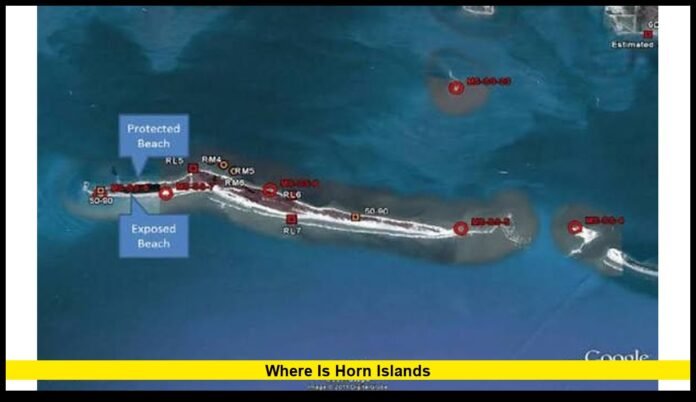

If you’ve been searching for where is Horn Island, you’re not alone. The name appears in different parts of the world, but most people are referring to the beautiful barrier island located off the Mississippi Gulf Coast in the United States. Known for its untouched beaches, diverse wildlife, and peaceful natural surroundings, Horn Island offers a completely different experience from crowded tourist destinations. Protected as part of the Gulf Islands National Seashore, it remains one of the most scenic and ecologically important islands along the Gulf of Mexico.
Whether you’re planning a visit, researching its history, or simply curious about its location, this guide covers everything you need to know about Horn Island, including its geography, significance, wildlife, recreational opportunities, and the lesser-known Australian island that shares the same name.
Key Points Summary
╔════════════════════════════════════════════════════════════════════╗
║ – Horn Island lies off the Mississippi Gulf Coast in the Gulf of Mexico. ║
║ – It is part of the protected Gulf Islands National Seashore. ║
║ – The island is accessible only by boat, with no bridges or permanent roads. ║
║ – Visitors enjoy pristine beaches, wildlife, fishing, camping, and birdwatching. ║
║ – A separate Horn Island is also located in Queensland, Australia. ║
╚════════════════════════════════════════════════════════════════════╝
The Location of Horn Island
Located approximately eight to ten miles south of Mississippi’s coastline, Horn Island sits within the warm waters of the Gulf of Mexico. It forms one of the chain of barrier islands that naturally protect the mainland from storms, high tides, and coastal erosion.
The island is positioned near the cities of Ocean Springs, Biloxi, and Pascagoula, making it a popular destination for boaters and outdoor enthusiasts seeking a quiet escape from busy coastal communities.
Unlike many vacation islands filled with hotels and commercial attractions, Horn Island has remained largely untouched. Its protected status ensures that the landscape continues to resemble what much of the Gulf Coast looked like centuries ago.
Why Horn Island Is Important
Horn Island serves a much greater purpose than simply providing beautiful scenery.
Barrier islands like Horn Island act as natural defenses against hurricanes and tropical storms. By absorbing wave energy before it reaches the mainland, they help reduce coastal flooding and protect fragile ecosystems.
The island also provides essential habitat for countless species of birds, reptiles, fish, mammals, and marine life. Scientists continue to study its changing shoreline, plant communities, and wildlife populations because they provide valuable insight into coastal ecology.
Its combination of beaches, forests, marshes, and freshwater ponds makes Horn Island one of the most biologically diverse locations along the northern Gulf Coast.
A Landscape Shaped by Nature
Horn Island stretches for roughly twelve miles, although its exact dimensions change over time because of hurricanes, tides, and shifting sands.
The island consists primarily of:
- Wide sandy beaches
- Rolling sand dunes
- Coastal grasslands
- Pine woodlands
- Freshwater lagoons
- Salt marshes
- Shrub-covered areas
Because barrier islands constantly evolve, storms frequently reshape portions of the coastline. New dunes form while older sections may erode, creating an ever-changing landscape that reflects the powerful forces of nature.
How to Reach Horn Island
One reason Horn Island feels so remote is that reaching it requires advance planning.
There are no bridges connecting the island to the mainland, and regular public ferry service is unavailable.
Visitors generally arrive by:
- Private boats
- Chartered boats
- Guided excursions
- Experienced sea kayaking groups during favorable weather
Boat launches are available from several Mississippi coastal communities, with Ocean Springs serving as one of the most common departure points.
Because conditions on the Gulf can change rapidly, travelers should always monitor marine weather forecasts before departing.
What Visitors Should Expect
Unlike developed beach destinations, Horn Island has virtually no visitor facilities.
There are no:
- Hotels
- Restaurants
- Stores
- Gas stations
- Roads
- Electricity
- Drinking water systems
This means visitors must bring everything they need for the duration of their trip, including food, water, first-aid supplies, sun protection, and navigation equipment.
Anyone planning an overnight stay should also prepare for changing weather conditions, insects, and limited communication with the mainland.
For many visitors, this lack of development is exactly what makes the island so appealing.
Pristine Beaches
Horn Island is perhaps best known for its remarkably clean beaches.
Miles of soft white sand stretch along the shoreline with very little human development visible in any direction.
Instead of beachfront hotels and restaurants, visitors find rolling dunes, native vegetation, seashells, and uninterrupted views across the Gulf of Mexico.
These peaceful surroundings make the island popular for:
- Beach walks
- Sunrise photography
- Sunset viewing
- Relaxation
- Nature observation
Because visitor numbers remain relatively low compared with other Gulf Coast destinations, many people enjoy long stretches of shoreline almost entirely to themselves.
Wildlife on Horn Island
The island supports an impressive variety of wildlife throughout the year.
Birdwatchers frequently observe species such as:
- Brown pelicans
- Great blue herons
- Snowy egrets
- Ospreys
- Royal terns
- Laughing gulls
- Various migratory shorebirds
Seasonal bird migrations bring additional species during spring and autumn, making Horn Island a rewarding destination for bird enthusiasts.
Marine wildlife commonly seen around the island includes:
- Bottlenose dolphins
- Rays
- Numerous fish species
- Blue crabs
- Shrimp
Within the island itself, visitors may encounter raccoons, rabbits, snakes, turtles, and occasionally alligators inhabiting freshwater areas.
Respecting wildlife and maintaining a safe distance are essential for protecting both visitors and the island’s delicate ecosystems.
Fishing Opportunities
The waters surrounding Horn Island attract anglers throughout the year.
Depending on the season, fishermen may target species including:
- Speckled trout
- Redfish
- Flounder
- Sheepshead
- Spanish mackerel
The combination of shallow grass beds, deeper channels, and nearby reefs creates productive fishing grounds for both recreational and experienced anglers.
Visitors should always follow Mississippi fishing regulations and ensure they have the appropriate licenses before fishing.
Camping on the Island
Primitive camping is permitted in designated areas, offering visitors an opportunity to experience the island after day-trippers have returned to the mainland.
Camping here is very different from staying at developed campgrounds.
Campers should be fully self-sufficient because there are no:
- Bathrooms
- Showers
- Picnic shelters
- Trash collection
- Running water
- Electrical hookups
Everything brought onto the island should also be packed out, helping preserve its natural condition for future visitors.
The Artistic Legacy of Horn Island
Horn Island occupies a special place in American art history.
The island became closely associated with Mississippi artist Walter Anderson, whose repeated visits inspired hundreds of paintings, drawings, journals, and sketches.
Anderson often traveled alone, exploring the island’s forests, beaches, birds, and changing landscapes.
His artistic interpretation of the Gulf Coast has introduced generations of people to the island’s extraordinary beauty and remains an important part of Mississippi’s cultural heritage.
Conservation and Environmental Protection
Horn Island’s protected status helps preserve one of the Gulf Coast’s most valuable natural environments.
Conservation efforts focus on:
- Protecting nesting birds
- Preserving native vegetation
- Monitoring shoreline erosion
- Managing invasive species
- Conserving marine habitats
- Supporting scientific research
Visitors play an important role by following Leave No Trace principles, respecting wildlife, and avoiding damage to fragile dune systems.
Protecting these ecosystems ensures future generations can continue enjoying one of America’s most remarkable coastal wilderness areas.
Weather Throughout the Year
Horn Island experiences a humid subtropical climate.
Spring
Spring brings comfortable temperatures, blooming vegetation, and excellent opportunities for birdwatching.
Summer
Summer is hot and humid, with warm Gulf waters ideal for swimming. Afternoon thunderstorms are common.
Autumn
Many outdoor enthusiasts consider autumn the best season to visit because temperatures become milder and hurricane activity gradually decreases.
Winter
Winters remain relatively mild compared with much of the United States, making the island enjoyable for hiking, photography, and wildlife observation.
Safety Tips Before Visiting
Anyone planning a trip should prepare carefully.
Important recommendations include:
- Carry plenty of drinking water.
- Wear sunscreen and protective clothing.
- Bring insect repellent.
- Monitor weather forecasts before departure.
- Inform someone of your travel plans.
- Carry navigation equipment.
- Respect wildlife.
- Pack out all trash.
- Avoid disturbing nesting birds.
- Be aware of changing tides.
Preparation is essential because assistance may not be immediately available on the island.
Another Island with the Same Name
Although most searches refer to the Mississippi barrier island, another location shares the same name.
If you are researching where is Horn Island in an international context, you may encounter Horn Island in Queensland, Australia. Located in the Torres Strait between mainland Australia and Papua New Guinea, this island differs significantly from its American namesake.
Unlike the protected wilderness in Mississippi, the Australian Horn Island has a permanent community, transportation infrastructure, local businesses, and an airport. It also played a strategic role during the Second World War and continues to serve as an important transportation hub for nearby islands.
Because both islands are well known within their respective regions, it is helpful to identify which country is being referenced when planning travel or conducting research.
Frequently Asked Questions
Is Horn Island inhabited?
The Mississippi Horn Island has no permanent civilian population and remains an undeveloped wilderness area.
Can you drive to Horn Island?
No. The island has no bridge connection or public roads. Visitors must travel by boat or other watercraft.
How long is Horn Island?
The island extends for approximately twelve miles, although storms and coastal processes can alter its size and shape over time.
Is camping allowed?
Yes. Primitive camping is permitted, but visitors must bring all necessary supplies and remove all waste when leaving.
What makes Horn Island special?
Its combination of pristine beaches, protected ecosystems, abundant wildlife, and lack of commercial development makes it one of the Gulf Coast’s most remarkable natural destinations.
Final Thoughts
Horn Island offers an experience that has become increasingly rare in today’s world. Free from large resorts, crowded boardwalks, and commercial attractions, it provides visitors with an opportunity to reconnect with nature in one of the Gulf of Mexico’s most beautiful coastal environments. From its sweeping beaches and rich wildlife to its historical significance and ecological importance, the island continues to captivate travelers, photographers, artists, and conservationists alike. Whether you’re planning a future adventure or simply learning about America’s barrier islands, Horn Island remains a destination that showcases the enduring beauty of the natural world.
Have you explored Horn Island or is it on your travel bucket list? Share your thoughts in the comments and stay tuned for more in-depth travel and destination guides!