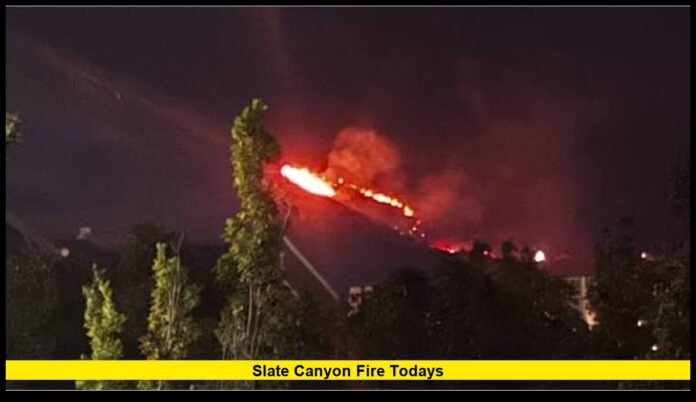

The slate canyon fire today remains an active wildfire incident in the foothills south of Provo, Utah, drawing a significant response from local, state, and federal firefighting agencies. Crews have been working around the clock to slow the fire’s advance, strengthen containment lines, and monitor changing weather conditions that could influence fire behavior. While emergency officials have not reported widespread damage to homes, they continue urging residents to stay informed and avoid the affected area as suppression efforts continue.
Wildfire Breaks Out in Mountain Terrain
The fire ignited in the Buckley Draw Canyon area near Slate Canyon, a region known for its rugged landscape, hiking trails, and open vegetation. Steep slopes, rocky terrain, and dry brush have complicated firefighting operations, making aerial resources an important part of the response.
The incident developed during a period of elevated wildfire danger across much of Utah, where warm temperatures, low humidity, and cured grasses have increased the likelihood of rapid fire spread. Emergency responders moved quickly after smoke was reported, deploying personnel to establish an initial attack before flames could expand into larger sections of the mountainside.
Large Emergency Response Mobilized
Multiple agencies have coordinated their resources to manage the wildfire safely and efficiently. Firefighters have attacked the blaze from the ground while aircraft have assisted by dropping water and fire retardant on active sections of the fire.
The response has included:
- Local fire departments
- Utah County emergency responders
- Wildland firefighting teams
- Helicopters conducting water drops
- Air tankers supporting suppression efforts
- Incident management personnel overseeing operations
The combination of air and ground resources allows firefighters to reach areas that are difficult or unsafe to access on foot.
Firefighters Face Challenging Conditions
Wildfires in mountainous terrain present unique operational challenges. Crews must contend with steep inclines, unstable footing, heavy vegetation, and rapidly changing wind patterns.
Even when visible flames appear reduced, firefighters continue searching for hidden hotspots that could reignite under favorable conditions. Fallen trees, thick brush, and underground burning roots can all contribute to renewed fire activity if not fully extinguished.
Weather remains one of the biggest variables affecting operations. Wind shifts can quickly change the direction of the fire, requiring crews to adapt their strategies throughout the day.
Containment Efforts Continue
Building containment lines is one of the most important objectives during any wildfire response. Firefighters create barriers designed to stop flames from advancing into unburned areas.
Containment work often includes:
- Removing vegetation ahead of the fire
- Constructing hand lines
- Using bulldozers where terrain permits
- Monitoring hot spots
- Conducting aerial suppression
- Reinforcing completed containment lines
Even after portions of a wildfire are considered contained, crews continue patrolling those areas to ensure flames do not escape established boundaries.
No Widespread Threat to Residential Areas
Emergency officials have focused on preventing the fire from moving toward neighborhoods located near the mountain foothills. Defensive planning has included monitoring fire movement, evaluating weather forecasts, and preparing contingency plans should conditions worsen.
Although no widespread structural losses have been reported, authorities continue assessing the situation as wildfire conditions can change rapidly.
Residents living near the affected region are encouraged to remain attentive to emergency notifications and official updates.
Cause Still Under Investigation
Investigators have not announced the official cause of the wildfire.
Determining how a wildfire begins often requires careful examination after firefighters have secured the area. Investigators typically evaluate burn patterns, witness information, weather data, and physical evidence before reaching a conclusion.
Possible ignition sources in wildland fires may include accidental human activity, equipment use, natural events, or other causes. Until the investigation is complete, officials have not identified a specific source for this incident.
Recreation Area Temporarily Affected
Slate Canyon attracts hikers, runners, mountain bikers, and nature enthusiasts throughout the year. During active firefighting operations, however, public access becomes restricted to protect both emergency personnel and visitors.
Temporary closures help reduce traffic on narrow access roads and ensure aircraft can safely conduct aerial firefighting missions without interference.
Outdoor recreation can resume once authorities determine that conditions are safe and suppression efforts no longer require restricted access.
Smoke May Affect Nearby Communities
Smoke from the wildfire has been visible across portions of the surrounding valley depending on wind direction and atmospheric conditions.
Air quality can change throughout the day, especially during periods of increased fire activity. Individuals with respiratory conditions, heart disease, or other health concerns should consider limiting prolonged outdoor activity if smoke becomes noticeable.
Parents are also encouraged to monitor local air conditions before allowing children to participate in strenuous outdoor activities near affected areas.
Importance of Aerial Firefighting
Aircraft remain one of the most valuable tools during wildland fire incidents, particularly in steep terrain where ground access is limited.
Helicopters can repeatedly collect water from nearby sources before dropping it directly onto active flames or hot spots. Air tankers deliver fire retardant that slows the fire’s spread and gives ground crews additional time to strengthen containment lines.
Pilots coordinate closely with incident commanders to maximize the effectiveness of each mission while maintaining safe operating conditions.
Residents Urged to Avoid the Fire Area
Officials continue reminding the public that active wildfire zones are dangerous even when flames appear distant.
Restricted areas may contain:
- Heavy firefighting equipment
- Falling trees
- Reduced visibility from smoke
- Unstable ground
- Active aircraft operations
- Emergency vehicles entering and leaving staging areas
Keeping unnecessary traffic away from the incident allows firefighters to work more efficiently while reducing potential safety risks.
Drone Restrictions Remain Critical
Authorities continue emphasizing that privately operated drones should never be flown near active wildfires.
Even a single drone entering restricted airspace can temporarily ground firefighting aircraft for safety reasons. Such interruptions may delay water drops during critical moments when fire activity is increasing.
Anyone operating recreational drones should always respect temporary flight restrictions established around wildfire incidents.
Utah’s Elevated Wildfire Risk
The current wildfire reflects broader conditions affecting much of Utah during the summer fire season.
Several environmental factors continue increasing wildfire danger across the state:
Dry Fuels
Extended periods of warm weather have left grasses, shrubs, and brush extremely dry, allowing fires to ignite and spread more easily.
Low Humidity
Dry air removes moisture from vegetation, creating conditions that support rapid fire growth.
Afternoon Winds
Daily wind patterns frequently strengthen during the afternoon, increasing the likelihood that flames will move quickly across hillsides and drainages.
High Temperatures
Persistent summer heat accelerates the drying of vegetation and contributes to more intense fire behavior.
Because of these conditions, fire agencies continue encouraging residents to follow all local fire restrictions and use extra caution during outdoor activities.
How Communities Can Prepare
Wildfires often develop quickly, making preparation essential for families living near natural areas.
Residents should consider:
- Creating an emergency evacuation plan.
- Keeping important documents in an easily accessible location.
- Preparing emergency supplies for several days.
- Planning transportation for pets and livestock if needed.
- Signing up for emergency notification systems.
- Monitoring weather forecasts during periods of elevated fire danger.
Simple preparations can make a significant difference if conditions change unexpectedly.
Environmental Impact
Although wildfires can damage vegetation and temporarily disrupt wildlife habitats, they also play a natural role in many western ecosystems.
Following a fire, land managers often evaluate burned areas for erosion risks, damaged infrastructure, and opportunities for habitat recovery. Native plants frequently begin returning over time, though full recovery may require several growing seasons depending on burn severity.
Fire rehabilitation efforts may include erosion control, trail repairs, and restoration projects designed to stabilize affected landscapes.
What to Expect Going Forward
Firefighters will continue strengthening containment lines, monitoring weather forecasts, and responding to any changes in fire activity. Progress depends on several factors, including wind, humidity, fuel conditions, and the effectiveness of ongoing suppression efforts.
Officials are expected to provide additional operational updates as firefighters gain more control of the incident. Residents should rely on verified information from emergency agencies and remain prepared to follow any future public safety guidance if conditions evolve.
Final Thoughts
The slate canyon fire today serves as another reminder of the challenges wildfire season brings to Utah each year. The rapid response by emergency personnel has helped limit immediate threats while crews continue working in difficult terrain under demanding weather conditions. Public cooperation, awareness, and respect for safety restrictions remain essential as firefighters work toward full containment and the eventual reopening of the affected recreational areas.
Stay with us for the latest wildfire developments, and share your thoughts or local updates in the comments below.