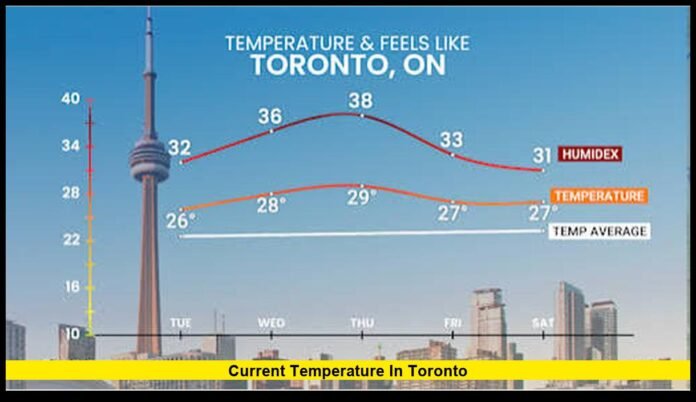

The current temperature in Toronto is one of the most searched weather topics each day as residents, commuters, tourists, and business travelers look for the latest conditions before heading outdoors. Toronto is experiencing the heart of summer, bringing warm temperatures, noticeable humidity, and changing weather conditions that can shift throughout the day. Checking the latest temperature is important for planning outdoor activities, commuting safely, exercising, attending events, or simply deciding what to wear.
As Canada’s largest city, Toronto experiences weather that changes with the movement of air masses across southern Ontario and the influence of Lake Ontario. While summer generally brings sunshine and warm afternoons, humidity and occasional thunderstorms can quickly alter local conditions. Staying informed about today’s weather helps people make better travel and lifestyle decisions.
Toronto’s Climate Makes Every Season Unique
Toronto has one of Canada’s most varied climates. Each season offers a different weather experience, from snowy winters to colorful autumns, mild springs, and warm summers.
July is typically the warmest month of the year. Long daylight hours allow temperatures to rise steadily during the afternoon before gradually cooling after sunset. While many summer days are sunny, occasional weather systems moving through southern Ontario can produce showers or thunderstorms.
The city’s location on the northwestern shore of Lake Ontario also creates weather patterns that differ from other inland communities. Lake breezes can moderate temperatures near the waterfront while neighborhoods farther inland often experience warmer conditions.
Current Temperature in Toronto Today
Today’s weather reflects a typical midsummer day across Toronto.
Conditions include:
- Warm afternoon temperatures reaching the low 30s Celsius
- Humid air making outdoor conditions feel significantly hotter
- A mix of sunshine and clouds
- Moderate winds during parts of the day
- The possibility of scattered showers or thunderstorms later in the afternoon or evening
Although the measured air temperature provides one indication of today’s weather, humidity plays a major role in determining how hot it actually feels.
Many people notice that outdoor conditions seem much warmer than the official temperature because moisture in the air reduces the body’s ability to cool itself through evaporation.
Why the Temperature Feels Hotter Than Expected
The actual air temperature is only one part of the weather picture.
Several factors influence outdoor comfort throughout Toronto during summer.
High Humidity
Southern Ontario frequently experiences humid air during July.
Humidity slows the evaporation of sweat, making it more difficult for the body to cool naturally. Even temperatures around 30°C can feel considerably warmer when humidity levels rise.
Humidex Values
Canada uses the Humidex to describe how hot weather feels after combining temperature and humidity.
On particularly humid days, Humidex values may exceed 40, even when the air temperature is several degrees lower.
This is why weather forecasts often mention both the actual temperature and the “feels like” value.
Strong Sunshine
Direct sunlight adds additional warmth beyond the reported air temperature.
Dark pavement, concrete buildings, parked vehicles, and rooftops absorb solar energy throughout the day, increasing local temperatures in urban areas.
Limited Wind
Calm weather allows heat to build during summer afternoons.
When stronger breezes develop, they help improve comfort by increasing evaporation and moving cooler air across the city.
Typical July Weather in Toronto
July consistently ranks as Toronto’s hottest month.
Normal conditions usually include:
- Daytime highs around 27°C
- Overnight lows near 18°C
- Warm mornings
- Hot afternoons
- Comfortable evenings after sunset
While these averages provide a general picture, temperatures frequently climb above 30°C during periods of persistent high pressure.
Some summers also include several consecutive days of elevated temperatures accompanied by high humidity.
How Weather Changes Throughout the Day
Toronto’s daily weather follows a fairly predictable pattern during midsummer.
Morning
Early mornings are generally pleasant.
Temperatures remain comfortable, making this one of the best times for outdoor exercise, walking, cycling, or sightseeing before the afternoon heat develops.
Afternoon
By early afternoon, temperatures usually reach their highest levels.
Strong sunshine, higher humidity, and light winds can make conditions feel much warmer than the thermometer indicates.
Heat safety becomes increasingly important during this period.
Evening
Temperatures gradually decrease after sunset.
Although evenings often become more comfortable, humid air may linger overnight, especially during extended periods of hot weather.
Lake Ontario Has a Major Influence on Toronto Weather
Lake Ontario significantly shapes Toronto’s local climate.
The large body of water affects temperatures throughout every season but is especially noticeable during summer.
Its influence includes:
- Cooler conditions along the waterfront
- Afternoon lake breezes
- Increased humidity
- Slower warming during the morning
- Slightly cooler evenings near the shoreline
Residents living farther north of downtown often experience warmer afternoon temperatures than those spending time near the lake.
Summer Rain and Thunderstorms
Warm temperatures provide the energy needed for thunderstorm development.
Summer storms in Toronto often arrive during the late afternoon or evening.
These storms may produce:
- Heavy rain
- Lightning
- Gusty winds
- Brief periods of reduced visibility
- Rapid temperature changes
Many storms pass quickly, allowing sunshine to return shortly afterward.
Localized rainfall also means neighborhoods across the city may experience very different conditions at the same time.
Heat Safety During Hot Weather
When temperatures and humidity increase together, protecting your health becomes especially important.
Simple precautions can greatly reduce the risk of heat-related illness.
Helpful safety practices include:
- Drink water regularly, even if you are not thirsty.
- Wear lightweight, breathable clothing.
- Limit strenuous outdoor activity during the hottest hours.
- Apply sunscreen before spending time outside.
- Seek shade whenever possible.
- Spend time indoors if temperatures become uncomfortable.
- Never leave children or pets inside parked vehicles.
Older adults, young children, outdoor workers, and individuals with chronic health conditions should pay particular attention during periods of prolonged heat.
Air Quality Can Change During Summer
Hot weather sometimes affects air quality across southern Ontario.
Strong sunshine encourages the formation of ground-level ozone, which may reduce air quality during prolonged hot periods.
Individuals with asthma or other respiratory conditions may prefer reducing vigorous outdoor exercise if air quality deteriorates.
Monitoring local weather conditions also helps people stay aware of any heat or air quality advisories that may be issued.
Outdoor Activities During Toronto’s Summer Weather
Warm weather attracts residents and visitors to many outdoor destinations throughout the city.
Popular activities include:
- Walking along the waterfront
- Visiting city parks
- Cycling recreational trails
- Exploring outdoor markets
- Enjoying restaurant patios
- Spending time at local beaches
- Attending concerts and festivals
Planning these activities around the warmest hours of the afternoon can improve comfort and reduce heat exposure.
Early mornings and evenings often provide the most pleasant conditions during midsummer.
Travel and Transportation
Weather plays an important role in daily transportation across Toronto.
Warm temperatures generally create favorable driving conditions, although afternoon thunderstorms may temporarily reduce visibility and create slippery roads.
Passengers using public transportation often check the current temperature in Toronto before leaving home so they can dress appropriately for changing outdoor conditions.
Travelers arriving by air also monitor local weather because thunderstorms occasionally cause temporary delays during summer.
Technology Behind Modern Weather Forecasting
Weather forecasting has become increasingly accurate thanks to advances in science and technology.
Meteorologists analyze information from numerous sources before issuing forecasts.
These include:
- Weather satellites
- Doppler radar systems
- Automated weather stations
- Weather balloons
- Aircraft observations
- Computer forecast models
- Lake monitoring equipment
Forecasts are updated regularly as new observations become available, allowing people to receive increasingly accurate information throughout the day.
Why Weather Changes Quickly in Toronto
Many people notice that Toronto weather can change faster than expected.
Several factors contribute to these rapid changes.
The movement of weather fronts across southern Ontario can quickly alter temperatures, wind direction, cloud cover, and rainfall.
Lake Ontario also influences local wind patterns that may cool certain neighborhoods while inland areas remain considerably warmer.
During summer, intense daytime heating creates atmospheric instability that increases the likelihood of afternoon thunderstorms.
Because these systems develop and move quickly, weather conditions can vary significantly within only a few hours.
Current Summer Weather Pattern
Today’s conditions remain consistent with the warm weather typically experienced during early July.
The city continues to experience:
- Hot afternoon temperatures
- Elevated humidity
- Periods of sunshine
- Passing clouds
- The possibility of isolated thunderstorms
- Warm overnight temperatures
Residents planning outdoor activities should remain aware that changing weather conditions may affect local forecasts during the day.
Why People Search for Toronto’s Current Temperature Every Day
Millions of weather searches are made every day because current conditions influence countless daily decisions.
People commonly check today’s temperature before:
- Leaving for work
- Traveling
- Exercising outdoors
- Attending sporting events
- Visiting tourist attractions
- Planning family activities
- Walking pets
- Working outside
Having the latest weather information allows people to prepare for changing temperatures and stay comfortable throughout the day.
Final Thoughts
The current temperature in Toronto remains an essential piece of information for anyone living in or visiting Canada’s largest city. Summer brings warm afternoons, humid conditions, occasional thunderstorms, and long daylight hours that encourage outdoor activities across the region. While temperatures often remain pleasant during the morning and evening, the hottest part of the afternoon requires extra attention to hydration, sun protection, and heat safety.
Checking the latest weather before heading outside is one of the easiest ways to stay prepared for changing conditions. Whether you’re commuting across the city, exploring Toronto’s attractions, or enjoying time outdoors, understanding today’s temperature and forecast helps you plan with confidence.
Enjoy today’s weather update and share your local conditions in the comments while staying tuned for the latest Toronto weather coverage.