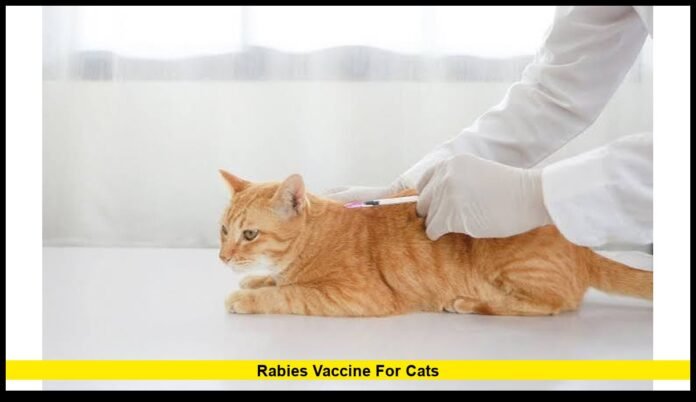

The Rabies vaccine for cats is one of the most important preventive vaccinations recommended by veterinarians worldwide. Rabies is a fatal viral disease that affects the brain and nervous system of mammals, including cats, dogs, wildlife, and humans. Because there is no effective treatment once symptoms appear, vaccination remains the best protection for both pets and people.
Whether your cat lives exclusively indoors or spends time outdoors, understanding rabies vaccination schedules, legal requirements, possible side effects, and current veterinary recommendations can help ensure your pet stays protected throughout its life.
What Is Rabies?
Rabies is a viral infection that attacks the central nervous system. The virus spreads primarily through the saliva of infected animals, most often via bites. Wildlife such as bats, raccoons, foxes, and skunks are common carriers in many regions.
Once clinical signs develop, rabies is almost always fatal in both animals and humans. This is why prevention through vaccination is considered essential.
Why the Rabies Vaccine for Cats Is Important
Vaccination protects cats before they are exposed to the virus. Besides safeguarding your pet, it also helps reduce the risk of transmission to humans and other animals.
Major benefits include:
- Prevents a deadly disease
- Protects family members and other pets
- Meets local or national legal vaccination requirements
- Helps veterinarians manage potential exposure cases
- Supports community rabies control programs
- May be required for boarding, grooming, or travel
Do Indoor Cats Need a Rabies Vaccine?
Many owners assume indoor cats never need rabies vaccination. However, veterinarians continue to recommend vaccination for most indoor cats because unexpected exposure can still occur.
Possible situations include:
- A bat entering the home
- A cat escaping through an open door
- Wildlife entering garages or enclosed patios
- Emergency evacuation situations
- Boarding or veterinary hospitalization
Even though indoor cats face a lower risk than outdoor cats, vaccination provides valuable protection.
When Should Kittens Receive Their First Rabies Vaccine?
Most veterinarians recommend giving kittens their first rabies vaccination between 12 and 16 weeks of age.
The exact timing depends on:
- Local regulations
- Veterinary recommendations
- Vaccine manufacturer guidelines
- Regional rabies risk
After the initial vaccination, a booster is generally administered one year later.
Rabies Vaccine Schedule for Cats
A typical vaccination schedule includes:
First Dose
- Around 12–16 weeks of age
One-Year Booster
- Approximately one year after the initial vaccination
Future Boosters
After the first booster, future vaccination intervals depend on:
- Local laws
- The specific vaccine licensed for use
- Veterinary advice
Some vaccines are licensed for annual use, while others provide protection for three years after the first booster.
How the Vaccine Works
Rabies vaccines stimulate the immune system to produce protective antibodies before exposure occurs.
Modern vaccines contain inactivated (killed) virus and cannot cause rabies infection.
When a vaccinated cat encounters the virus later, its immune system is prepared to respond quickly, greatly reducing the risk of disease.
Is the Rabies Vaccine Safe?
Yes. Rabies vaccines have an excellent safety record and are routinely administered by veterinarians around the world.
The benefits of preventing a fatal disease far outweigh the small risk of adverse reactions.
Common Side Effects
Most vaccinated cats experience no problems.
Some mild side effects may include:
- Mild soreness at the injection site
- Slight swelling
- Sleepiness
- Temporary decrease in appetite
- Mild fever for one day
These effects usually resolve within 24–48 hours.
Rare Side Effects
Serious reactions are uncommon but require immediate veterinary care.
Watch for:
- Difficulty breathing
- Facial swelling
- Persistent vomiting
- Collapse
- Severe lethargy
- Large or growing swelling at the injection site
Contact your veterinarian immediately if these symptoms occur.
Injection-Site Sarcoma: Understanding the Risk
A rare complication associated with injections in cats is the development of an injection-site sarcoma.
Although this condition is uncommon, veterinarians carefully choose injection locations and follow current vaccination guidelines to reduce risks while maintaining protection against rabies.
Routine vaccination remains strongly recommended because rabies itself is almost always fatal.
What Happens If an Unvaccinated Cat Is Exposed to Rabies?
If an unvaccinated cat is bitten by a potentially rabid animal, immediate veterinary attention is critical.
Depending on local regulations, authorities may require:
- Veterinary examination
- Observation or quarantine
- Rabies vaccination
- Additional testing
- Other public health measures
Requirements vary by country, state, and municipality.
Travel Requirements
Many countries and airlines require proof of current rabies vaccination before allowing pets to travel.
Additional requirements may include:
- Health certificates
- Microchip identification
- Import permits
- Waiting periods
- Rabies antibody testing for certain destinations
Always verify travel requirements well before departure.
Keeping Vaccination Records
Maintaining accurate vaccination records is important for:
- Veterinary visits
- Boarding facilities
- Grooming services
- Pet licensing
- International travel
- Emergency exposure situations
Store both paper and digital copies whenever possible.
Latest Veterinary Recommendations (2026)
Current veterinary guidance continues to emphasize timely vaccination and individualized healthcare.
Experts recommend:
- Vaccinating kittens at the appropriate age
- Administering the one-year booster
- Following the booster schedule approved for the vaccine used
- Avoiding unnecessary vaccinations while maintaining protection
- Keeping vaccination records up to date
- Consulting a veterinarian if any vaccine appointments are missed
Veterinary organizations continue monitoring vaccine safety and effectiveness, and rabies vaccination remains a cornerstone of preventive feline healthcare.
Protecting Your Cat Beyond Rabies
While rabies vaccination is essential, comprehensive preventive care also includes:
- Annual wellness examinations
- Core feline vaccinations
- Parasite prevention
- Dental care
- Proper nutrition
- Weight management
- Prompt treatment of illnesses and injuries
A complete preventive healthcare plan helps cats live longer, healthier lives.
Final Thoughts
Rabies remains one of the world’s deadliest infectious diseases, but it is also one of the most preventable. Keeping your cat’s rabies vaccination current protects your pet, your family, and your community. Whether your cat spends all of its time indoors or enjoys supervised outdoor adventures, following your veterinarian’s vaccination recommendations is the safest way to ensure lifelong protection.
Have questions about the rabies vaccine for cats or your pet’s vaccination schedule? Leave a comment below and stay updated with the latest pet health information.