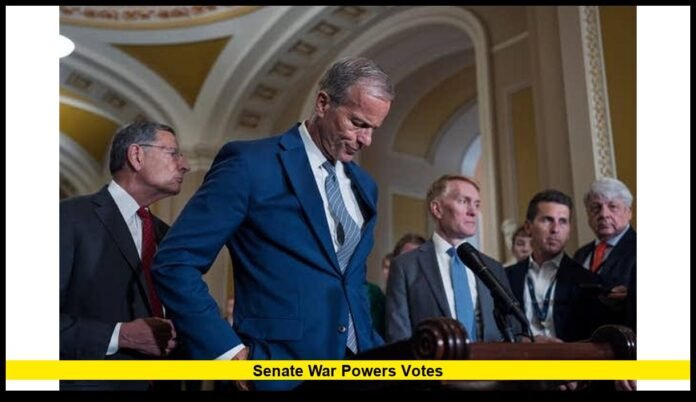

The recent senate war powers vote has become one of the most closely watched developments in Washington, sparking renewed debate about the balance of power between Congress and the president during times of military conflict. The narrow Senate approval of a resolution concerning U.S. military operations involving Iran has intensified discussions about constitutional authority, national security, and the role lawmakers should play when the nation becomes involved in overseas hostilities.
The outcome represents a significant political moment because it demonstrates growing bipartisan concern about how military force is authorized and overseen. While debates over war powers have existed for decades, the latest vote has brought the issue back to the center of national conversation.
As lawmakers, legal experts, military officials, and voters evaluate the implications of the Senate’s action, the decision is already shaping discussions about future U.S. military engagements and congressional oversight.
Congress Sends a Strong Message
The Senate’s approval of the resolution came after weeks of intense debate and negotiations. Supporters argued that Congress must play a central role in authorizing prolonged military involvement and should not leave such decisions solely to the executive branch.
The vote reflected frustration among lawmakers who believe Congress has gradually surrendered too much authority over matters of war and peace. Many senators emphasized that the Constitution grants Congress significant responsibilities regarding military action and that those responsibilities should be exercised regardless of which party controls the White House.
The measure ultimately passed by a narrow margin, highlighting deep divisions within the chamber while also revealing unusual bipartisan cooperation on an issue that transcends traditional political lines.
The decision immediately became one of the most discussed actions on Capitol Hill, drawing attention from constitutional scholars, foreign policy experts, and political observers across the country.
Stay connected for continuing updates as Congress and the administration navigate one of the most important constitutional debates in modern American politics.
Why the War Powers Debate Matters
Questions surrounding war powers have existed since the founding of the United States.
The Constitution divides military authority between Congress and the president. Congress possesses the power to declare war, while the president serves as commander in chief of the armed forces.
Over time, however, military conflicts have often developed without formal declarations of war. Presidents from both parties have authorized military operations under various legal authorities, frequently leading to disagreements over where executive power ends and congressional authority begins.
The latest Senate action reflects concerns that Congress should take a more active role when military operations continue beyond immediate defensive actions.
Supporters of the resolution argue that elected representatives must have a direct voice in decisions that could place American service members in prolonged conflicts abroad.
Opponents counter that presidents need flexibility to respond rapidly to emerging threats and protect national security interests without lengthy legislative delays.
This disagreement remains at the heart of the broader debate.
The Road to the Senate Vote
The Senate did not reach this decision overnight.
For months, lawmakers discussed the legal and strategic implications of military operations involving Iran. Multiple efforts were made to advance legislation addressing congressional authorization requirements, but earlier attempts struggled to gain sufficient support.
As the conflict continued, concerns grew among members of both parties regarding the scope of military involvement and the potential for further escalation.
Congressional committees held briefings and consultations with administration officials. Senators sought additional information regarding military objectives, operational timelines, and long-term strategy.
These discussions gradually built momentum for legislative action.
By late June, supporters had assembled enough backing to move the resolution forward, culminating in a closely watched vote that drew national attention.
The final outcome reflected changing political dynamics within the Senate and growing interest in reexamining congressional authority over military decisions.
Bipartisan Support Surprises Washington
While party divisions remain strong across many issues, several lawmakers crossed party lines to back the measure. Their support underscored the fact that concerns about war powers are not limited to a single political ideology.
Some conservatives argued that Congress must protect its constitutional role regardless of which administration is in power.
Meanwhile, many Democrats maintained that legislative oversight is essential whenever military action carries the potential for long-term involvement.
This unusual alignment created one of the rare bipartisan moments in a deeply polarized political environment.
Political analysts noted that constitutional concerns often generate unexpected alliances because lawmakers may prioritize institutional authority over short-term partisan interests.
The vote demonstrated that those concerns continue to resonate throughout Congress.
How the House Set the Stage
The Senate vote followed earlier action in the House of Representatives, where lawmakers approved a similar measure addressing military operations involving Iran.
The House vote signaled growing congressional interest in asserting authority over military engagements and provided momentum for Senate supporters seeking action.
By the time senators cast their votes, both chambers had already engaged in extensive discussions regarding the legal basis for continued military involvement.
The House action also increased public awareness of the issue, helping bring war powers back into the national spotlight.
Many lawmakers viewed the Senate vote as the next logical step in Congress’s effort to define its role in military decision-making.
The combined actions of both chambers have strengthened calls for greater consultation between Congress and the executive branch during periods of conflict.
Understanding the War Powers Resolution
The current debate cannot be separated from the War Powers Resolution enacted in 1973.
Congress passed the law following years of controversy surrounding military involvement in Southeast Asia. The legislation sought to clarify the relationship between presidential military authority and congressional oversight.
The law established reporting requirements and timelines intended to ensure that Congress remained informed about military actions undertaken by the executive branch.
Supporters of the legislation believed it would create stronger checks and balances during military conflicts.
However, presidents from both major parties have often questioned portions of the law and challenged interpretations that they believe limit executive authority.
As a result, disputes over the War Powers Resolution have continued for decades.
The latest congressional action represents the newest chapter in that ongoing constitutional debate.
Growing Concerns About Escalation
A major factor driving support for the resolution involved concerns about potential escalation in the region.
Lawmakers from both parties expressed worries that continued military operations could increase tensions and create additional security challenges.
Many senators emphasized the importance of maintaining congressional oversight whenever military actions carry the possibility of broader regional consequences.
Supporters argued that requiring congressional authorization creates greater transparency and accountability.
They contended that public debate and legislative approval help ensure that military commitments receive careful examination before expanding.
Opponents responded that national security threats can evolve quickly and may require immediate action that cannot always wait for congressional approval.
This difference in perspective helped define much of the debate surrounding the resolution.
What the Vote Means Politically
Beyond its legal implications, the Senate vote carries significant political importance.
The decision sends a message that many lawmakers are prepared to challenge executive authority when they believe congressional responsibilities are being overlooked.
It also highlights increasing willingness among members of Congress to engage directly in foreign policy debates rather than leaving decisions entirely to the administration.
For elected officials facing voters, the issue carries substantial political weight.
Americans often hold strong opinions regarding military involvement overseas, government spending, and constitutional governance.
As a result, positions on war powers can influence public perceptions of leadership, accountability, and national security priorities.
The vote is likely to remain a topic of discussion throughout upcoming legislative sessions and political campaigns.
Potential Legal Questions Ahead
The aftermath of the senate war powers vote may also generate legal questions regarding the extent of congressional authority.
Constitutional experts have long debated how courts should interpret conflicts between congressional directives and presidential military actions.
Historically, legal disputes involving war powers have proven difficult to resolve because courts often hesitate to intervene in political disagreements between branches of government.
That reality means many questions surrounding military authority remain unresolved.
Future developments could further shape legal interpretations of congressional oversight and executive power.
Regardless of whether courts become involved, the debate itself is likely to influence future policymaking and legislative efforts.
How Future Presidents May Respond
The implications of the Senate action extend beyond the current conflict.
Future administrations will closely examine how Congress responds to military operations and whether lawmakers continue pushing for greater oversight.
Presidents often consider political and constitutional precedents when evaluating military options.
If Congress demonstrates a stronger willingness to assert its authority, future administrations may seek broader consultation with lawmakers before pursuing major military actions.
Such a shift could alter how national security decisions are made in Washington.
At the same time, presidents are unlikely to surrender authority they believe is necessary to respond effectively to international crises.
This tension will likely remain a defining feature of American government for years to come.
Public Interest in Constitutional Issues Continues to Grow
Although foreign policy debates can sometimes appear distant from everyday life, the issues raised by the Senate vote affect fundamental aspects of American democracy.
The discussion centers on accountability, representation, and the distribution of power within government.
Many voters view congressional oversight as an important safeguard against unchecked authority.
Others prioritize the need for swift executive action during emergencies.
These competing perspectives help explain why war powers debates continue to generate intense public interest.
The latest vote has encouraged renewed attention to constitutional principles that often receive less focus during ordinary political debates.
As public awareness grows, lawmakers may face increasing pressure to clarify how military authority should be exercised in future conflicts.
Looking Ahead
The Senate’s decision marks a significant moment in the ongoing struggle to define the respective roles of Congress and the presidency in matters of war and national security.
While the immediate political consequences continue to unfold, the broader constitutional questions remain unresolved.
The debate over military authority has shaped American politics for generations, and recent events suggest it will remain a major issue in the years ahead.
Lawmakers, legal scholars, military leaders, and citizens will continue examining how best to balance national security needs with constitutional safeguards.
For now, the vote stands as one of the most important congressional actions on war powers in recent memory, reflecting a renewed effort by lawmakers to assert their role in decisions involving military force and foreign policy.
What are your thoughts on Congress taking a larger role in military decisions? Join the conversation and follow the latest developments as this story continues to evolve.