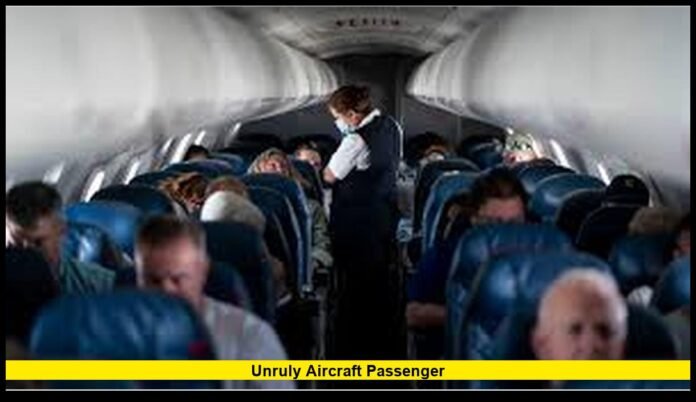

An unruly aircraft passenger remains one of the most significant safety concerns facing the U.S. aviation industry in 2026, even as the number of reported incidents stays below the record levels seen several years ago. Airlines, federal regulators, airport authorities, and flight crews continue working to reduce disruptions that can threaten onboard safety, force costly diversions, and affect thousands of travelers across the country.
Air travel in the United States has remained strong throughout 2026. Millions of passengers board commercial flights every week, and the overwhelming majority of trips occur without problems. However, a small number of disruptive incidents continue to attract national attention because of the potential danger they create inside an aircraft cabin.
Recent cases involving aggressive behavior, threats against passengers, attempts to access restricted areas of aircraft, and physical confrontations have renewed discussions about passenger conduct and aviation security. Federal officials continue emphasizing that misconduct aboard aircraft carries serious consequences.
Why Passenger Behavior Matters During Flight
Commercial aviation depends on strict safety procedures. Every passenger, crew member, and pilot plays a role in maintaining a safe environment from departure to arrival.
Unlike many other forms of transportation, aircraft operate in a highly controlled environment where even minor disruptions can create serious concerns. When passengers fail to follow instructions or engage in threatening behavior, crews must immediately assess the situation and determine whether additional action is required.
A disruptive traveler can affect:
- Flight safety
- Cabin operations
- Emergency procedures
- Crew performance
- Passenger comfort
- Airline schedules
Even a short disturbance may force a flight crew to divert to another airport, resulting in delays and additional operational costs.
Understanding What Qualifies as an Unruly Passenger
Federal aviation regulations cover a broad range of disruptive conduct. A passenger does not need to become physically violent to be considered unruly.
Examples include:
- Refusing crew instructions
- Threatening flight attendants
- Harassing passengers
- Interfering with safety demonstrations
- Entering restricted aircraft areas
- Creating disturbances during flight
- Tampering with emergency equipment
- Making threats involving aircraft security
Behavior that interferes with the duties of flight attendants or pilots receives particular attention because it directly affects flight safety.
Recent High-Profile Incidents Draw National Attention
Several incidents during 2026 have highlighted why aviation authorities continue monitoring disruptive passenger behavior closely.
In one widely reported case, a passenger allegedly attempted to interfere with an aircraft door during a commercial flight. Crew members and fellow passengers helped manage the situation before the aircraft safely diverted to an alternate airport.
Another incident involved a traveler who reportedly attempted to gain access to a restricted area near the cockpit. Flight crews followed established procedures, and law enforcement officers met the aircraft after landing.
Additional cases involving threats, physical confrontations, and aggressive behavior have reinforced concerns among airline employees and federal regulators.
While these events remain rare compared with the total number of flights operating daily, each incident demonstrates how quickly a situation can escalate aboard an aircraft.
The FAA’s Zero-Tolerance Approach
The Federal Aviation Administration continues enforcing a strict zero-tolerance policy toward disruptive passenger behavior.
This policy allows the agency to pursue enforcement actions against individuals whose conduct threatens safety or interferes with airline operations.
Potential consequences include:
| Violation | Possible Outcome |
|---|---|
| Refusing crew instructions | Civil penalties |
| Threatening crew members | Large fines |
| Physical assault | Criminal investigation |
| Attempting cockpit access | Federal charges |
| Interfering with flight operations | Significant penalties |
| Violent behavior | Arrest and prosecution |
Federal officials have repeatedly stated that airline employees deserve a safe workplace and that passengers deserve a secure travel environment.
How the Aviation Industry Responds to Disruptive Conduct
Modern airlines invest heavily in training programs designed to help crews manage difficult situations.
Flight attendants receive instruction in:
- Conflict resolution
- Verbal de-escalation
- Emergency communication
- Threat assessment
- Passenger management
- Safety procedures
Crews learn how to recognize early warning signs before a situation becomes more serious.
Many incidents begin with verbal disputes or refusal to follow instructions. Early intervention often prevents additional problems later in the flight.
Read More – Unruly Passengers Cockpit Disruption SpiceJet: Chaos on Delhi-Mumbai Flight
The Financial Cost of In-Flight Disruptions
A passenger disturbance can create costs far beyond a delayed arrival.
When a flight diverts because of misconduct, airlines may face expenses related to:
- Fuel consumption
- Landing fees
- Ground handling
- Crew scheduling
- Passenger accommodations
- Rebooking services
- Security responses
Industry experts estimate that diversions can cost airlines tens of thousands of dollars depending on the route and circumstances.
Those expenses often affect not only the airline but also hundreds of travelers whose schedules become disrupted.
Flight Diversions Affect More Than One Aircraft
A single incident can trigger operational challenges throughout an airline’s network.
For example, when a flight diverts unexpectedly:
- Connecting passengers may miss flights.
- Aircraft schedules may change.
- Crew assignments may require adjustment.
- Gate availability can become limited.
- Maintenance schedules may shift.
As airlines operate increasingly complex networks, even one disruption can affect multiple airports and numerous flights.
Flight Attendants Remain on the Front Line
Flight attendants often become the first people required to manage disruptive behavior.
Their responsibilities extend well beyond serving passengers. They are highly trained safety professionals responsible for emergency preparedness and cabin security.
When disturbances occur, flight attendants must:
- Assess risks quickly
- Communicate with pilots
- Protect other passengers
- Maintain order
- Follow security protocols
Industry organizations continue advocating for stronger protections for crew members who experience harassment, threats, or physical assaults while performing their duties.
Alcohol Continues to Be a Contributing Factor
Alcohol-related incidents remain a concern across the aviation industry.
Airlines and airport businesses work to balance customer service with safety requirements. Employees receive training to identify signs of intoxication before boarding.
Federal regulations prohibit carriers from allowing visibly intoxicated individuals onto aircraft.
Many airlines have strengthened monitoring procedures and employee training programs in recent years to reduce alcohol-related disturbances.
Responsible consumption remains one of the simplest ways travelers can help maintain a safe cabin environment.
Passenger Expectations Have Changed
Travel demand has remained strong throughout 2026, but passenger expectations have also evolved.
Many travelers expect:
- Reliable schedules
- Comfortable cabins
- Respectful environments
- Professional service
- Safe travel experiences
Disruptive behavior undermines those expectations and can create unnecessary stress for everyone onboard.
Airlines increasingly emphasize respectful conduct throughout the travel experience, beginning at the airport and continuing through arrival.
The Role of Airport Security Teams
Airport security personnel often play a crucial role before passengers even reach the aircraft.
Security officers and airline employees monitor boarding areas for signs of:
- Aggressive behavior
- Severe intoxication
- Threatening conduct
- Escalating disputes
Identifying problems before boarding helps reduce the likelihood of incidents occurring during flight.
Many airlines view prevention as the most effective strategy for protecting passengers and crews.
Technology Helps Improve Incident Reporting
Technology continues supporting aviation safety efforts.
Modern reporting systems allow airline employees to document incidents quickly and accurately.
Benefits include:
- Faster communication
- Improved data collection
- Better trend analysis
- Enhanced coordination with regulators
- More effective investigations
These tools help airlines identify recurring issues and strengthen training programs.
Passenger Cooperation Remains Essential
Most aviation safety experts agree that passenger cooperation remains one of the strongest defenses against onboard disruptions.
Simple actions can make a significant difference:
- Follow crew instructions immediately.
- Remain respectful toward others.
- Avoid confrontational behavior.
- Stay informed about travel requirements.
- Report suspicious activity.
The vast majority of travelers already follow these guidelines, contributing to the overall safety of the aviation system.
How Airlines Handle Serious Incidents
When serious misconduct occurs, crews follow established procedures designed to protect everyone onboard.
Actions may include:
- Verbal warnings.
- Notification of the flight deck.
- Documentation of the incident.
- Coordination with law enforcement.
- Diversion if necessary.
- Removal of the passenger after landing.
Every situation differs, and crews evaluate each incident based on the specific circumstances.
Safety always remains the primary consideration.
The Legal Consequences Can Be Significant
Many travelers underestimate the potential consequences of disruptive behavior aboard aircraft.
Depending on the circumstances, passengers may face:
- Federal investigations
- Civil penalties
- Criminal charges
- Airline travel bans
- Court appearances
- Financial liability
Authorities continue emphasizing that misconduct on aircraft is not treated the same way as ordinary disagreements in public spaces.
Aircraft operate under unique safety and security requirements that demand immediate compliance with crew instructions.
Summer Travel Brings Increased Attention
Summer remains one of the busiest travel periods in the United States.
Airlines schedule thousands of additional flights to accommodate vacation travel, family visits, and business demand.
Higher passenger volumes naturally increase the importance of maintaining orderly cabin environments.
Federal agencies continue encouraging travelers to plan ahead, arrive early, and follow airline policies throughout their journeys.
Aviation Safety Improvements Continue
The aviation industry continues refining its approach to passenger behavior management.
Recent efforts include:
- Enhanced employee training
- Improved reporting systems
- Stronger coordination with law enforcement
- Updated safety procedures
- Increased public awareness campaigns
These initiatives aim to reduce disruptions while ensuring that passengers enjoy safe and reliable travel experiences.
Although incident levels remain below historic highs, regulators and airlines continue treating every serious event as an opportunity to improve safety standards.
Looking Ahead
Commercial aviation remains one of the safest forms of transportation in the world. Airlines, regulators, pilots, flight attendants, and airport personnel all contribute to that record every day.
Even so, incidents involving an unruly aircraft passenger continue attracting attention because of the risks they pose to flight operations and passenger safety. Strong enforcement policies, improved training, and increased public awareness have helped reduce many disruptions, but the industry remains committed to preventing future incidents.
Travelers who follow crew instructions, respect fellow passengers, and prioritize safety help ensure that flights operate smoothly from takeoff to landing.
Have you noticed changes in airline safety procedures during recent flights? Share your thoughts and stay informed about the latest developments in U.S. aviation safety.