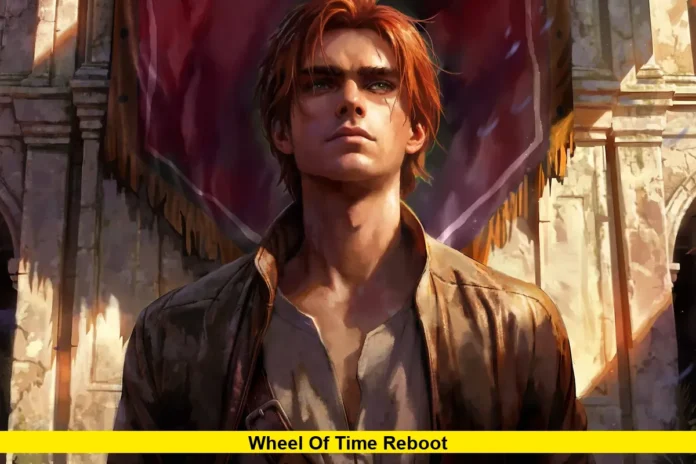

For years, fans of Robert Jordan’s epic fantasy universe have debated how the story could continue on screen. Now, the conversation has shifted toward the wheel of time reboot, as new plans emerge to keep the beloved franchise alive despite the end of its live-action television run.
The fantasy property is entering a new phase that could transform how audiences experience the sprawling world of Aes Sedai, the Dragon Reborn, and the endless turning of the Wheel. Instead of focusing on a single television adaptation, developers are pursuing a broader entertainment strategy that includes animation, films, and gaming projects.
The move signals that the franchise remains an important part of the fantasy landscape even after major changes in its television journey.
A Fresh Direction for a Legendary Fantasy World
The Wheel of Time remains one of the most influential fantasy book series ever published. Spanning fourteen main novels and a prequel, the story has captivated readers for decades with its intricate world-building, political intrigue, and complex characters.
After the conclusion of the recent live-action adaptation, many viewers wondered whether the franchise had reached the end of its screen ambitions. Instead, plans announced in 2026 suggest the opposite.
Creative teams connected to the property are exploring new ways to tell stories set within Jordan’s universe. Rather than attempting to continue the previous production exactly where it left off, the upcoming projects are expected to approach the source material from a different perspective.
That decision could allow creators greater flexibility while introducing the franchise to audiences who may never have read the novels.
Why Animation Is Becoming the Preferred Option
Fantasy storytelling presents unique challenges for television and film studios.
Large-scale battles, magical powers, mythical creatures, and numerous locations often require enormous production budgets. In a series as vast as The Wheel of Time, those costs can increase rapidly.
Animation offers a potential solution.
Without the limitations associated with physical sets and visual effects budgets, animated productions can portray magical worlds with fewer restrictions. Entire cities, armies, and supernatural events can be brought to life in ways that might be difficult or prohibitively expensive in live action.
Many fans have argued for years that animation could provide a more faithful adaptation of the books. The current plans appear to reflect that belief.
Multiple Projects Under Development
The future of the franchise is not centered on a single series.
Instead, several initiatives are reportedly moving through development simultaneously. These include animated television content, feature-length productions, and interactive entertainment experiences.
The strategy resembles approaches used by other major fantasy and science-fiction properties that expand their stories across different media formats.
For longtime readers, this creates opportunities to explore corners of the world that have never appeared on screen before. For newcomers, it offers multiple entry points into the franchise.
Industry observers see this as a significant shift away from the traditional model of relying on one flagship television show.
Can the New Adaptations Reach a Wider Audience?
One of the biggest questions surrounding the franchise is whether future projects can attract viewers beyond the existing fan base.
Fantasy entertainment has become increasingly competitive over the last decade. Major studios continue investing heavily in large-scale genre productions, creating fierce competition for audience attention.
The Wheel of Time benefits from having an established literary foundation and a globally recognized name among fantasy readers. However, future adaptations must also appeal to viewers who are unfamiliar with the books.
Animation may help achieve that goal.
The medium has grown dramatically in popularity, with animated fantasy series attracting audiences across multiple age groups and international markets. A well-executed animated adaptation could introduce Jordan’s universe to millions of potential new fans.
What Happens to the Characters Fans Already Know?
A major topic of discussion involves the fate of characters introduced in recent screen adaptations.
At this stage, there has been no confirmation regarding returning performers or direct continuity connections. The developing projects appear focused on creating a fresh creative foundation rather than extending an unfinished storyline.
That approach may disappoint viewers hoping for an immediate continuation.
However, it also allows creators to revisit major events from the novels without being constrained by previous adaptation choices.
Characters such as Rand al’Thor, Moiraine, Egwene, Perrin, Mat, and Nynaeve remain central to the franchise’s identity. Any future adaptation will likely place significant emphasis on these figures, regardless of the storytelling format.
The Gaming Opportunity
Beyond television and film, gaming represents one of the most intriguing areas of expansion.
The Wheel of Time universe contains countless regions, cultures, magical systems, and conflicts that naturally lend themselves to interactive experiences.
Modern role-playing games have demonstrated that fantasy worlds can thrive beyond books and television. A successful game adaptation could allow players to explore the Westlands, learn the One Power, and engage directly with the world in ways no screen production can provide.
Gaming also introduces the franchise to a younger demographic that increasingly consumes stories through interactive media.
Fan Reaction Remains Mixed but Optimistic
Reaction across the fantasy community has been varied.
Some fans remain disappointed that the live-action adaptation will not continue. Others see the current plans as an opportunity to reset the franchise and pursue a format better suited to the scale of the books.
What unites most supporters is a desire to see the story continue in some form.
The enduring popularity of the novels demonstrates that interest in the world remains strong. New projects provide a pathway for keeping that enthusiasm alive while attracting fresh audiences.
The conversation surrounding the wheel of time reboot has therefore shifted from questions about survival to questions about execution.
What Comes Next in 2026 and Beyond?
While exact release dates have not been announced, the coming months are expected to bring additional information about development timelines, creative teams, and production plans.
Fans are watching closely for updates on animation styles, casting decisions, story focus, and distribution arrangements.
The road ahead remains uncertain, but one thing is clear: The Wheel of Time is not disappearing from popular culture anytime soon.
Instead, the franchise appears to be entering a new era—one that embraces multiple forms of storytelling and seeks to introduce Robert Jordan’s iconic fantasy world to a new generation of viewers, players, and readers.
As development continues, the next chapter in the franchise’s long history could prove just as fascinating as the stories that made it famous.