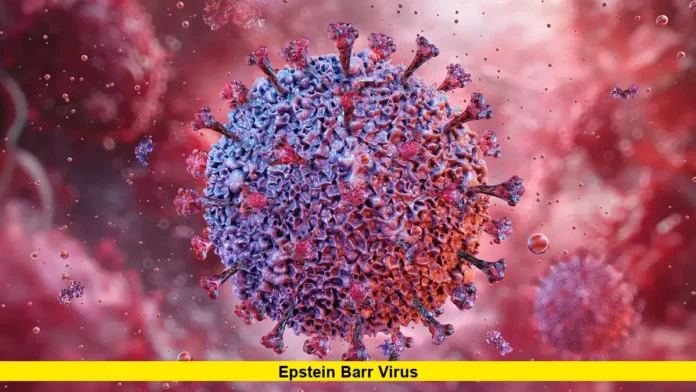

For decades, epstein barr virus has been recognized as one of the world’s most widespread infections, affecting billions of people across every region. While many individuals never realize they have been infected, growing scientific attention is focused on the virus because of its possible connections to chronic illnesses, immune system disorders, and certain cancers.
Health experts say the virus continues to attract research interest as new discoveries help explain how a seemingly routine infection may influence health years after the initial exposure.
A Virus Most Adults Carry
Epstein-Barr virus belongs to the herpesvirus family and is among the most common viruses found in humans. Most people become infected during childhood or adolescence.
In younger children, the infection often causes few symptoms or none at all. However, infection later in life can trigger a more noticeable illness commonly known as mononucleosis.
Once the body encounters the virus, it remains present for life. In most cases, it stays inactive and does not create ongoing health issues.
Why Researchers Are Paying Attention
Although the majority of infections resolve without serious complications, scientists have spent recent years examining the virus more closely.
One reason is the growing body of evidence suggesting viral infections may play a role in the development of certain long-term medical conditions. Researchers are investigating how Epstein-Barr virus interacts with immune cells and whether those interactions contribute to disease processes later in life.
Advances in laboratory technology have allowed investigators to better understand how the virus behaves after the initial infection has passed.
How Infection Typically Occurs
The virus spreads primarily through saliva, making close personal contact the most common route of transmission.
People may be exposed through:
- Kissing
- Sharing drinks
- Sharing eating utensils
- Contact with infected saliva
- Certain medical procedures involving blood products or organ transplantation
Because many infected individuals have no symptoms, transmission often occurs unknowingly.
Recognizing the Symptoms
When symptoms do occur, they can vary significantly from one person to another.
Common signs include:
- Persistent fatigue
- Fever
- Sore throat
- Swollen lymph nodes
- Headaches
- Muscle aches
- Reduced appetite
Some people also experience enlargement of the spleen or liver during active infection.
The illness may last several weeks, and fatigue can continue even after other symptoms have improved.
The Link to Mononucleosis
Many people first hear about Epstein-Barr virus when diagnosed with infectious mononucleosis.
Often called “mono,” the illness is particularly common among teenagers and young adults. Symptoms can be intense and frequently interfere with school, work, and athletic activities.
Recovery is generally complete, though physicians often recommend avoiding contact sports during the acute phase because an enlarged spleen can increase the risk of injury.
A Growing Interest in Autoimmune Disorders
One area attracting significant scientific attention involves autoimmune diseases.
Researchers are studying whether viral infections may contribute to immune system changes that occur before certain autoimmune conditions develop. In recent years, findings have strengthened interest in the possible role of Epstein-Barr virus in disorders affecting the nervous system and other parts of the body.
While experts emphasize that infection alone does not guarantee disease, ongoing studies continue to examine the biological mechanisms involved.
Cancer Connections Remain Under Study
Medical researchers have also identified associations between the virus and several rare forms of cancer.
These include specific lymphomas and cancers affecting areas such as the nose, throat, and stomach. However, specialists stress that these outcomes remain uncommon compared with the enormous number of people who carry the virus worldwide.
Most infected individuals will never develop a virus-related cancer.
Scientists believe genetics, environmental factors, immune function, and other influences likely contribute to risk.
Challenges of Diagnosing Infection
Diagnosis often begins with a clinical evaluation based on symptoms and medical history.
Blood testing can help confirm infection by identifying immune responses associated with the virus. In some cases, healthcare providers may order additional laboratory tests to rule out illnesses that produce similar symptoms.
Because fatigue and sore throat can result from numerous conditions, accurate diagnosis remains important.
Treatment Focuses on Recovery
There is currently no medication capable of eliminating the virus from the body.
Instead, treatment focuses on symptom management and recovery support.
Patients are generally advised to:
- Get adequate rest
- Maintain hydration
- Use physician-approved medications for fever or discomfort
- Avoid strenuous physical activity when necessary
Most individuals improve without requiring hospitalization or intensive treatment.
Healthcare professionals emphasize the importance of listening to the body’s recovery needs rather than returning to demanding activities too quickly.
Could a Vaccine Be on the Horizon?
One of the most promising developments in recent years involves efforts to create preventive vaccines.
Several research programs are exploring ways to protect people before exposure occurs. Scientists hope future vaccines could reduce cases of infectious mononucleosis and potentially lower risks associated with certain long-term complications.
Although no vaccine has yet received broad public approval, progress in this field continues to generate optimism among infectious disease specialists.
What the Future May Hold
As understanding of viral diseases expands, Epstein-Barr virus remains an important subject for researchers worldwide.
New studies are helping scientists map the complex relationship between viral infections, immune responses, and long-term health outcomes. The findings could eventually influence how doctors approach prevention, diagnosis, and treatment strategies.
For now, health experts continue to encourage awareness of symptoms, timely medical evaluation when illness occurs, and continued support for scientific research aimed at uncovering the virus’s full impact on human health.