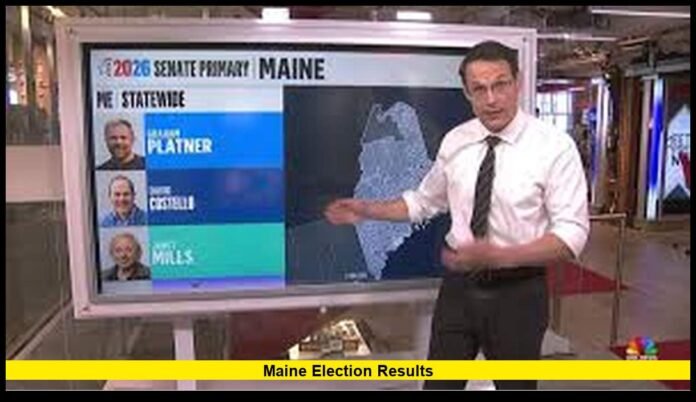

Maine election results remain one of the most closely followed political stories in the United States as voters across the state have completed voting in the 2026 primary elections. The contests for U.S. Senate, governor, congressional seats, and state legislative offices attracted significant attention from voters, political observers, and campaign organizations. As election officials continue final certification procedures where required, the latest outcomes are shaping the political landscape ahead of the November general election.
The June 2026 primary season arrived at a pivotal moment for Maine politics. Several important offices were on the ballot, including an open governor’s race and a highly watched U.S. Senate contest. Voters participated in elections that could influence not only state government but also the balance of power in Washington.
Why the 2026 Maine Elections Matter
Maine has developed a reputation as one of the nation’s most politically competitive states. Elections often feature close races, independent-minded voters, and outcomes that attract national attention.
The 2026 election cycle stands out because several major offices are being contested at the same time. Political parties spent months preparing for the primary contests, while candidates traveled throughout the state meeting voters and discussing issues that affect everyday life.
The primary elections served as the first major test of voter sentiment before the general election campaign begins in earnest.
Among the most important offices on the ballot were:
- U.S. Senate
- Governor
- U.S. House of Representatives
- Maine State Senate
- Maine House of Representatives
- County and local government positions
The results will help determine which candidates advance to the next stage of the election season.
A Closer Look at the U.S. Senate Race
One of the biggest stories surrounding Maine election results involves the race for the U.S. Senate.
The Senate contest has received national coverage because of Maine’s importance in federal politics. Republican Senator Susan Collins remains one of the most recognizable political figures in the state and continues to attract attention from voters across party lines.
The Democratic primary generated considerable interest as multiple candidates competed for the opportunity to challenge Collins in November.
Throughout the campaign season, candidates discussed a broad range of issues, including:
- Inflation and consumer prices
- Economic growth
- Health care access
- Housing affordability
- Immigration policy
- Energy costs
- Federal spending
- National security
The Senate race is expected to remain one of the most competitive statewide contests heading into the fall campaign season.
Open Governor’s Race Draws Strong Interest
The governor’s race emerged as another major focus during the primary election period.
Because Governor Janet Mills is term-limited, Maine voters are preparing to elect a new governor. Open-seat races often create opportunities for new political leaders to emerge, making them especially competitive.
Candidates from both major parties spent months introducing themselves to voters and outlining plans for the state’s future.
Key topics discussed during the gubernatorial campaign included:
- Education funding
- Property taxes
- Workforce development
- Public safety
- Infrastructure improvements
- Housing shortages
- Economic development
- Health care services
The outcome of the primary contests will determine which candidates move forward to compete for one of the state’s most influential positions.
Congressional Races Continue to Attract Attention
Maine’s congressional contests remain important components of the 2026 election cycle.
The state’s two congressional districts have produced closely watched races in recent years. Political strategists from both parties continue to view Maine as a critical battleground for congressional representation.
Candidates running for the U.S. House focused on both local and national concerns during their campaigns.
Frequently discussed issues included:
- Rural economic development
- Job creation
- Veterans’ services
- Fishing industry support
- Agricultural policy
- Border security
- Federal budget priorities
- Infrastructure investment
Many candidates spent extensive time visiting communities throughout the state to connect directly with voters.
How Ranked-Choice Voting Impacts Maine Election Results
Maine remains one of the few states that uses ranked-choice voting in certain elections.
The system allows voters to rank candidates in order of preference instead of selecting only one candidate.
The process works in several stages:
- Election officials count first-choice votes.
- If no candidate receives a majority, the candidate with the fewest votes is eliminated.
- Ballots cast for that candidate are redistributed based on voters’ next preferences.
- The process repeats until a candidate secures a majority.
Supporters believe ranked-choice voting encourages broader voter participation and rewards candidates who appeal to a wider range of voters.
Because of this system, some races may require additional counting before final results become official.
Voter Participation Across the State
Turnout became a significant topic during election coverage.
Polling locations across Maine welcomed voters throughout Election Day. Communities large and small reported steady participation as residents cast ballots in races that will shape the state’s future.
Election officials monitored turnout carefully because competitive statewide races often encourage greater voter engagement.
Several factors likely contributed to voter interest:
- Competitive Senate race
- Open governor’s office
- Congressional contests
- Legislative elections
- Local government races
Voter participation remains one of the strongest indicators of public engagement in the democratic process.
Economic Issues Remain a Top Priority
The economy continued to dominate campaign discussions throughout the primary season.
Many Maine residents expressed concerns about the cost of living and financial pressures affecting households.
Candidates proposed various approaches to addressing economic challenges.
Common campaign topics included:
- Inflation
- Wages
- Job opportunities
- Small business growth
- Tax policies
- Workforce shortages
- Manufacturing expansion
Economic concerns frequently appeared in campaign advertisements, public appearances, and candidate debates.
Housing Affordability Shapes Campaign Discussions
Housing remains one of the most important issues facing communities across Maine.
Many residents have expressed concerns about rising home prices and rental costs. Housing availability has become a major topic in both urban and rural areas.
Candidates discussed several approaches aimed at increasing housing opportunities.
These proposals included:
- Expanding housing construction
- Supporting affordable housing initiatives
- Encouraging workforce housing development
- Addressing zoning challenges
- Strengthening community planning efforts
The issue resonated with voters from a wide range of backgrounds and age groups.
Health Care Remains a Major Election Issue
Health care continues to influence voting decisions throughout Maine.
Candidates frequently discussed access to medical services, particularly in rural communities where residents may face longer travel distances for care.
Important topics included:
- Rural health services
- Hospital funding
- Mental health resources
- Prescription medication costs
- Health insurance affordability
- Workforce shortages in health care
The issue remains a central concern for many voters as the election season continues.
Education and Workforce Development
Education played a major role in numerous campaigns.
Candidates emphasized the importance of preparing students for future careers while ensuring schools have the resources needed to succeed.
Workforce development also emerged as a connected issue.
Areas of focus included:
- Public school funding
- Career training programs
- Community colleges
- Teacher recruitment
- Technical education
- Workforce readiness initiatives
Many candidates argued that education investments are essential for long-term economic growth.
Regional Trends Across Maine
Political analysts closely examine voting patterns throughout different regions of the state.
Maine’s electorate includes urban, suburban, coastal, and rural communities with unique priorities.
Regions frequently studied include:
Southern Maine
Southern Maine continues to experience population growth and economic expansion. Voters often focus on housing, transportation, and business development.
Central Maine
Communities in central Maine frequently prioritize job growth, education, and infrastructure improvements.
Northern Maine
Northern Maine voters often discuss economic development, forestry, agriculture, and access to services.
Coastal Communities
Coastal regions remain deeply connected to fishing, tourism, environmental concerns, and local economic opportunities.
These regional differences help shape election outcomes across the state.
State Legislative Elections
While statewide races often attract the most headlines, legislative contests also play an important role.
Members of the Maine Legislature influence policy decisions involving:
- State spending
- Education funding
- Public safety
- Transportation
- Health care
- Economic development
Primary elections determine which candidates will advance to the general election and compete for seats in the State House.
Control of legislative chambers remains a significant objective for both major political parties.
National Interest in Maine Elections
Political organizations across the country continue to monitor developments in Maine.
The state’s elections frequently attract attention because of their potential impact on national politics.
Several factors contribute to that interest:
- Competitive statewide races
- Closely watched Senate contest
- Congressional battleground districts
- Independent voter influence
- Ranked-choice voting system
National political leaders and organizations have devoted substantial resources to Maine campaigns during the 2026 election cycle.
What Happens After the Primary?
Following the completion of primary voting, election officials continue standard procedures to finalize results.
These steps include:
Ballot Verification
Officials review ballots and complete counting procedures to ensure accuracy.
Certification Process
Results undergo formal certification before becoming official.
Ranked-Choice Calculations
Where applicable, ranked-choice tabulations may be conducted to determine final outcomes.
General Election Preparation
Candidates who secure nominations immediately begin preparing for the November election.
Campaigns typically increase voter outreach efforts, fundraising activities, and public appearances after the primary season concludes.
The Road to November
Attention now turns to the general election, where voters will decide who will represent Maine in state and federal offices.
The coming months are expected to feature extensive campaigning throughout the state.
Candidates will continue discussing major issues such as:
- Economic growth
- Taxes
- Housing
- Health care
- Education
- Public safety
- Infrastructure
- Energy policy
The decisions made by voters in November will influence Maine’s political direction for years to come.
Maine’s Tradition of Competitive Elections
Maine has long been known for competitive races and engaged voters.
Unlike many states that consistently favor one political party, Maine often produces closely contested elections. Independent voters play a significant role, and candidates frequently work to build support across traditional political lines.
This political culture contributes to high levels of interest in election outcomes and helps explain why Maine continues to attract national attention during major election years.
Looking Ahead
As certification procedures continue and campaigns shift toward the general election, Maine remains at the center of several important political conversations. The primary season has already highlighted the issues voters care about most, from economic challenges and housing costs to health care and education.
The candidates who emerged from the primary contests now face the task of building broader support across the state as they prepare for November’s decisive vote.
What are your thoughts on the latest Maine election results? Join the conversation and stay tuned for more election updates as the 2026 campaign season continues.