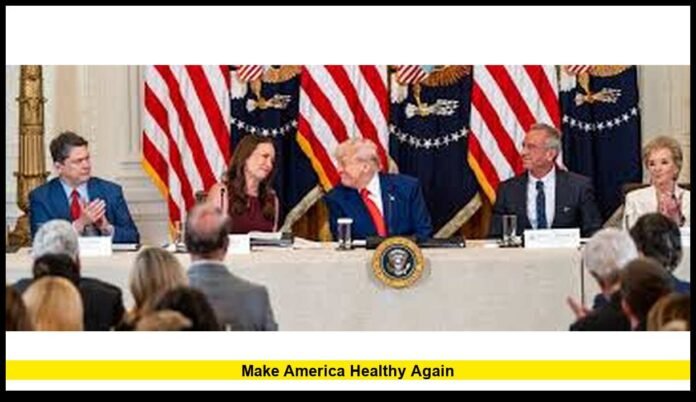

Make America Healthy Again has become one of the most influential public health initiatives in the United States, driving discussions about nutrition, chronic disease, food safety, healthcare costs, and childhood wellness throughout 2026.
The movement, widely known as MAHA, remains a major priority within the Trump administration. Under the leadership of Health and Human Services Secretary Robert F. Kennedy Jr., federal agencies continue pursuing policies designed to improve the health of Americans through prevention-focused strategies. The initiative has attracted nationwide attention from lawmakers, healthcare professionals, parents, educators, food manufacturers, and public health advocates.
As new policies and research efforts emerge, Make America Healthy Again continues to influence conversations across multiple sectors. Its impact now reaches beyond federal agencies and into state governments, schools, healthcare systems, and the food industry.
What Is Make America Healthy Again?
Make America Healthy Again is a national health initiative focused on addressing chronic disease and improving overall wellness across the United States.
The effort gained momentum after the creation of a federal commission tasked with examining the causes of rising chronic illness, especially among children. The commission reviewed health trends, lifestyle factors, nutrition patterns, environmental concerns, and healthcare practices.
Officials involved with the initiative have consistently emphasized prevention rather than treatment. Their goal is to identify factors that contribute to poor health outcomes and develop policies that encourage healthier lifestyles.
The movement focuses on several major areas:
- Nutrition and dietary quality
- Childhood health
- Chronic disease prevention
- Food ingredient oversight
- Environmental health concerns
- Physical activity
- Healthcare system reform
- Scientific research
These priorities have shaped many of the administration’s health-related decisions during the past year.
Why Chronic Disease Has Become a National Concern
One of the primary motivations behind the MAHA agenda is the growing prevalence of chronic disease in the United States.
Millions of Americans live with long-term conditions that affect quality of life and place pressure on healthcare systems. Conditions such as obesity, diabetes, heart disease, autoimmune disorders, and metabolic illnesses continue to impact families nationwide.
Federal officials have argued that prevention should receive greater attention than it has in previous decades.
The focus extends beyond healthcare treatment. Policymakers increasingly examine nutrition, exercise, environmental exposures, and daily habits that may contribute to long-term health outcomes.
Supporters believe addressing root causes can help improve public health while reducing future healthcare costs.
Children Remain at the Center of the Initiative
A major component of Make America Healthy Again centers on children’s health.
Federal leaders frequently describe rising childhood health challenges as a serious national issue. Concerns include obesity, metabolic disorders, allergies, behavioral health issues, and other chronic conditions affecting younger Americans.
Several government programs now focus on improving childhood wellness through prevention and education.
Current areas of attention include:
- Healthier school meals
- Nutrition education
- Physical activity programs
- Reduced exposure to potentially harmful substances
- Early intervention efforts
- Improved health awareness among families
Officials argue that healthy habits developed during childhood can produce benefits that last for decades.
Because of this focus, schools have become an important part of the broader MAHA strategy.
Food Policy Takes a Leading Role
Food policy has emerged as one of the most visible aspects of the initiative.
Federal agencies continue reviewing food ingredients, manufacturing practices, and nutritional standards. Officials have repeatedly expressed concerns about the increasing role of highly processed foods in the American diet.
The discussion has generated significant public interest because food choices affect virtually every household in the country.
Government efforts have focused on several objectives:
- Increasing transparency about ingredients
- Promoting healthier dietary choices
- Improving nutritional education
- Encouraging consumption of whole foods
- Evaluating food additives
The food industry continues monitoring these developments as policymakers consider additional reforms.
The Debate Over Ultra-Processed Foods
Ultra-processed foods have become a central topic within MAHA discussions.
These products often contain multiple industrial ingredients, preservatives, flavor enhancers, and additives. Health officials involved with the initiative have argued that heavy consumption of such products may contribute to poor health outcomes.
The issue has sparked debate among researchers, nutrition experts, manufacturers, and policymakers.
Supporters of the initiative advocate for greater awareness regarding food quality and nutritional content.
Many public health campaigns launched during the past year have encouraged Americans to pay closer attention to ingredient labels and overall dietary habits.
As these conversations continue, food companies are increasingly examining consumer demand for simpler ingredient lists and healthier alternatives.
Food Dye Reviews Gain National Attention
Another high-profile component of the movement involves synthetic food dyes.
Federal health officials have promoted efforts aimed at reducing reliance on petroleum-based artificial coloring in food products.
The topic has become particularly important among parents and consumer advocacy groups.
Many Americans have become more interested in understanding how food ingredients are regulated and evaluated.
Manufacturers have responded by exploring alternatives and adjusting some product formulations.
The broader discussion reflects growing public interest in food transparency and ingredient safety.
Read More – Robert F. Kennedy Jr.: How the HHS Secretary Is Reshaping America’s Health Policy in 2026
Nutrition Education Becomes a Priority
Nutrition education has emerged as a key strategy within the Make America Healthy Again framework.
Federal officials believe many Americans lack access to clear, practical information about healthy eating habits.
As a result, agencies have increased attention on educational initiatives that encourage better dietary choices.
Key areas include:
- Reading nutrition labels
- Understanding ingredient lists
- Building balanced meals
- Reducing excessive sugar intake
- Increasing fruit and vegetable consumption
- Supporting healthy family eating habits
Advocates argue that education can help individuals make informed decisions without relying solely on government regulations.
This approach has become an important part of the movement’s long-term vision.
Healthcare Costs and Prevention
Healthcare affordability remains a major concern for many Americans.
The MAHA movement often connects prevention strategies with long-term cost reduction.
Officials argue that preventing disease before it develops can reduce financial pressure on families and healthcare systems.
Preventive health measures frequently highlighted by policymakers include:
- Better nutrition
- Regular exercise
- Early screenings
- Weight management
- Chronic disease monitoring
- Health education
Supporters believe these efforts could help reduce the burden of expensive medical treatments over time.
The relationship between health outcomes and healthcare spending remains a central theme in many MAHA policy discussions.
Federal Agencies Working Together
Unlike many public health programs that focus on a single department, Make America Healthy Again involves collaboration across multiple federal agencies.
Organizations participating in MAHA-related efforts include:
- Department of Health and Human Services
- Food and Drug Administration
- National Institutes of Health
- U.S. Department of Agriculture
- Environmental Protection Agency
This coordinated approach reflects the belief that health outcomes are influenced by numerous factors beyond traditional medical care.
Officials frequently emphasize that food systems, environmental conditions, education, and healthcare all play interconnected roles.
The administration continues developing policies that encourage cooperation among these agencies.
Scientific Research Remains a Major Focus
Research plays an important role in the initiative’s development.
Federal agencies have expanded efforts to study factors associated with chronic disease and overall public health.
Areas receiving attention include:
- Nutrition science
- Environmental exposures
- Metabolic health
- Childhood disease trends
- Preventive medicine
- Public health data analysis
Officials maintain that policy decisions should be informed by ongoing scientific investigation.
Research findings are expected to influence future recommendations and regulatory actions.
The administration has repeatedly stated that gathering better health data remains a top priority.
State Governments Embrace Parts of the Agenda
The influence of MAHA extends beyond federal policy.
State lawmakers across the country have introduced legislation and proposals inspired by many of the initiative’s goals.
These efforts vary by state but often include topics such as:
- School meal standards
- Nutrition programs
- Food ingredient regulations
- Chronic disease prevention
- Public health education
State governments continue exploring ways to address health challenges within their own populations.
As a result, elements of the movement now appear in legislative discussions across numerous regions of the United States.
The Food Industry Responds
The growing visibility of Make America Healthy Again has prompted responses from food manufacturers, retailers, and agricultural organizations.
Companies are paying close attention to regulatory reviews and consumer preferences.
Many businesses recognize that Americans are increasingly interested in:
- Ingredient transparency
- Nutritional quality
- Food sourcing
- Product labeling
- Health-focused products
The industry continues adapting to changing expectations while monitoring potential policy developments.
This evolving relationship between regulators and manufacturers remains an important part of the broader health conversation.
Public Support and Ongoing Debate
Like most major policy initiatives, Make America Healthy Again has generated both support and criticism.
Supporters view the movement as an important effort to address long-standing health challenges.
They argue that chronic disease prevention deserves greater attention and that improving nutrition could benefit millions of Americans.
Critics question certain policy approaches and debate the scientific interpretation of specific issues.
These discussions have taken place across healthcare organizations, academic institutions, advocacy groups, and government offices.
The debate ensures that MAHA remains one of the most closely watched health initiatives in the country.
What Comes Next for MAHA?
As 2026 continues, federal agencies are expected to advance additional health initiatives connected to MAHA priorities.
Future efforts may include:
- Further food policy reviews
- Additional nutrition guidance
- Expanded research programs
- New public health campaigns
- Greater focus on preventive care
- Continued evaluation of food ingredients
The initiative has already influenced conversations about healthcare, education, agriculture, nutrition, and public policy.
Its long-term impact will depend on implementation, public participation, scientific findings, and future policy decisions.
What remains clear is that health and wellness have become increasingly prominent topics in national discussions, and Make America Healthy Again continues to play a major role in shaping those conversations across the United States.
As health policy evolves throughout 2026, Make America Healthy Again remains a key topic for families, healthcare professionals, educators, and policymakers. Share your thoughts in the comments and stay updated on the latest developments.