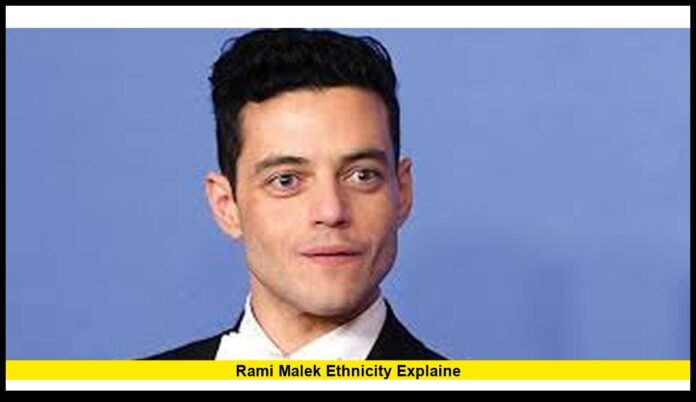

Interest in rami malek ethnicity continues to grow as the award-winning actor remains one of the most recognizable faces in modern Hollywood. From critically acclaimed television performances to blockbuster films and Academy Award success, Rami Malek has built a career that stands out for its range, authenticity, and impact. While audiences know him for memorable roles on screen, many are equally fascinated by the cultural background that helped shape his identity and career.
Born and raised in the United States, Malek comes from an Egyptian immigrant family whose traditions, values, and experiences played a major role in his upbringing. His story reflects a blend of cultures that has influenced both his personal life and professional journey. As he continues to take on major film projects and earn praise from critics and audiences alike, his heritage remains an important part of the conversation surrounding his success.
Early Life and Family Background
Rami Said Malek was born on May 12, 1981, in Torrance, California. He grew up in the Los Angeles area alongside his identical twin brother, Sami, and his older sister, Jasmine.
His parents immigrated to the United States from Egypt before he was born. Their move represented a desire to build new opportunities while maintaining strong ties to their cultural roots. Even after settling in Southern California, the family preserved many traditions that connected them to their homeland.
Malek’s father had worked in tourism before relocating to America and later pursued a different career path after establishing a life in California. His mother worked in accounting. Together, they emphasized education, family unity, and respect for cultural heritage.
The actor has often spoken about the importance of his family and the values they instilled in him during childhood. Those lessons remained with him as he navigated the challenges of the entertainment industry.
Egyptian Roots and Cultural Identity
His family originates from Egypt, and he was raised in a household that maintained a strong connection to Egyptian customs and traditions. Arabic was spoken at home, allowing him to remain connected to his family’s cultural background while growing up in the United States.
Like many children of immigrant families, Malek experienced life between two cultures. At home, he was immersed in traditions that reflected his family’s roots. Outside the home, he was part of mainstream American society.
That dual experience gave him a unique perspective on identity, belonging, and representation. It also contributed to the depth and authenticity that many viewers see in his performances today.
Growing Up as a First-Generation American
Malek’s experience as a first-generation American shaped many aspects of his life.
Children of immigrant parents often find themselves balancing expectations from multiple worlds. They learn to appreciate their family’s cultural heritage while adapting to the customs and social norms of the country where they live.
For Malek, this meant understanding the significance of his Egyptian background while pursuing opportunities available in America.
He has discussed how cultural differences sometimes made him feel distinct from his peers during childhood. However, those experiences eventually became a source of strength rather than uncertainty.
As he matured, he developed a greater appreciation for the unique perspective his upbringing provided.
Education and Discovering a Passion for Acting
Teachers recognized his creativity and encouraged him to explore performance opportunities. Those early experiences helped him develop confidence and sparked a passion that would eventually become a career.
After high school, he attended the University of Evansville in Indiana, where he studied theater. The program provided formal training and exposed him to a wide range of acting techniques.
His years at the university allowed him to refine his craft and gain valuable experience performing in stage productions. The education he received there became an important foundation for his future success in television and film.
The Difficult Road to Hollywood
Like many aspiring actors, Malek faced significant challenges when he first entered the entertainment industry.
After completing his studies, he worked hard to secure auditions and establish himself in a highly competitive field. Success did not arrive overnight.
He accepted smaller roles while continuing to improve his skills and build professional relationships.
The early stages of his career included guest appearances on television shows and supporting roles that helped him gain experience in front of the camera.
Although these opportunities were modest compared to the major projects he would later secure, they played a crucial role in helping him develop as a performer.
His determination and willingness to keep pushing forward eventually opened larger doors.
First Breakthrough Performances
Malek’s profile began to rise when he appeared in a variety of television and film projects during the 2000s.
One of his most recognizable early roles came in the Night at the Museum film series, where he portrayed Pharaoh Ahkmenrah. The popular family movies introduced him to audiences around the world and demonstrated his ability to leave a lasting impression despite limited screen time.
His performances attracted attention within Hollywood and led to additional opportunities.
Casting directors increasingly recognized his talent, versatility, and ability to bring unique qualities to every role.
These projects laid the groundwork for the breakthrough that would transform his career.
Mr. Robot Changed Everything
The turning point arrived when Malek was cast as Elliot Alderson in the television drama Mr. Robot.
The series premiered to critical acclaim and quickly developed a devoted audience. Elliot was a complex character dealing with personal struggles while navigating a world of cybercrime, technology, and corporate corruption.
Malek’s performance received widespread praise for its emotional depth and authenticity.
Viewers connected with the character’s vulnerability, intelligence, and internal conflicts. Critics highlighted Malek’s ability to portray complex emotions with remarkable subtlety.
The role earned him major industry recognition and transformed him into one of television’s most respected actors.
Mr. Robot became a defining chapter in his career and elevated him to international stardom.
How Rami Malek Ethnicity Became Part of a Larger Conversation
As Malek’s popularity grew, discussions surrounding rami malek ethnicity expanded beyond simple curiosity.
Many observers viewed his success as a meaningful example of increased representation in Hollywood.
For years, actors from Middle Eastern backgrounds often encountered limited opportunities and stereotypical portrayals. Malek’s rise challenged those patterns.
Rather than being restricted by preconceived expectations, he became the leading figure in major productions that reached audiences around the world.
His achievements demonstrated that talent, dedication, and strong performances could transcend outdated industry assumptions.
For many aspiring actors from diverse backgrounds, his success became a source of inspiration.
Winning an Academy Award
Malek’s career reached another extraordinary milestone when he was cast as Freddie Mercury in Bohemian Rhapsody.
The film explored the life and career of the legendary Queen frontman and became a major box-office success.
Taking on the role required extensive preparation. Malek studied Mercury’s interviews, performances, movements, and mannerisms to create an authentic portrayal.
His dedication paid off.
The performance earned widespread acclaim and generated awards recognition throughout the entertainment industry.
When he won the Academy Award for Best Actor, he joined an elite group of performers who have received one of cinema’s highest honors.
The achievement represented years of hard work and reinforced his position as one of Hollywood’s leading talents.
Expanding Into Major Film Franchises
Following his Oscar victory, Malek became one of the most sought-after actors in the industry.
He joined the James Bond franchise by portraying Safin in No Time to Die. Appearing in one of the world’s most successful film series introduced him to another massive audience.
The role demonstrated his ability to play complex and memorable antagonists while maintaining the emotional depth that has become one of his trademarks.
His involvement in a major international franchise further strengthened his global profile.
Continuing to Choose Challenging Roles
One of the defining characteristics of Malek’s career is his willingness to pursue challenging material.
Rather than focusing solely on commercial blockbusters, he frequently selects projects that offer compelling characters and meaningful stories.
This approach has allowed him to work across multiple genres, including drama, thriller, historical films, science fiction, and action.
Audiences have come to expect thoughtful performances that reveal new dimensions of each character.
His commitment to quality storytelling remains a central reason for his continued success.
Recent Film Work and Industry Recognition
In recent years, Malek has continued appearing in high-profile productions.
His work in Oppenheimer introduced him to audiences interested in historical drama, while later projects showcased his ability to lead major studio releases.
Critics consistently praise his attention to detail and willingness to immerse himself completely in a role.
Filmmakers value his professionalism, preparation, and ability to elevate the material he works with.
As a result, he remains one of the most respected performers working today.
Representation and Cultural Visibility
Malek’s influence extends beyond acting achievements.
His visibility as a successful American actor with Egyptian roots has contributed to broader conversations about representation in entertainment.
Hollywood has gradually become more diverse, but many communities still seek greater visibility on screen and behind the scenes.
Malek’s accomplishments highlight the importance of creating opportunities for performers from a wide range of backgrounds.
His success demonstrates that audiences embrace strong storytelling regardless of an actor’s ethnicity or cultural heritage.
That message continues to resonate throughout the entertainment industry.
Why Fans Remain Interested in His Story
The continued interest in Malek’s background reflects more than celebrity fascination.
Many people connect with his journey because it mirrors experiences shared by immigrant families across the United States.
His story combines hard work, perseverance, cultural pride, and professional achievement.
Fans appreciate that he openly acknowledges his heritage while remaining focused on his craft.
That balance has helped him build a reputation for authenticity both on and off screen.
As his career continues to evolve, interest in his personal story remains strong.
Looking Ahead
Rami Malek’s career continues to thrive thanks to his talent, versatility, and commitment to meaningful storytelling.
From his early days in California to international recognition as an Academy Award-winning actor, he has built a remarkable legacy.
His journey illustrates the value of embracing one’s heritage while pursuing ambitious goals.
As new projects arrive and audiences discover more of his work, Malek’s influence on modern entertainment is likely to continue growing.
Whether through groundbreaking television performances, acclaimed film roles, or his contribution to representation in Hollywood, he remains one of the industry’s most compelling figures.
For many fans, his story serves as a reminder that cultural identity and professional success can coexist in powerful and inspiring ways.