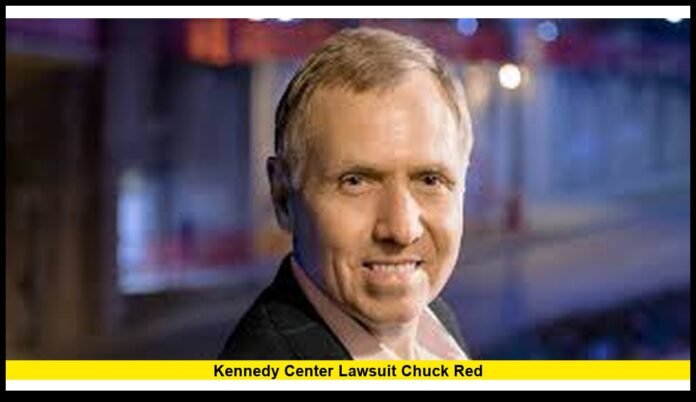

The kennedy center lawsuit chuck redd case has reached a decisive conclusion after a Washington, D.C., court dismissed legal claims brought against veteran jazz musician Chuck Redd. The ruling ends months of legal and public debate surrounding a canceled holiday performance, artistic independence, and the responsibilities tied to performance agreements at one of America’s most recognized cultural institutions.
The dispute attracted national attention because it combined legal questions with broader discussions about politics, public arts organizations, and the rights of performers. What began as a disagreement over a canceled Christmas Eve concert eventually evolved into one of the most closely watched arts-related legal battles of the year.
The court’s decision now closes a chapter that many musicians, arts advocates, legal professionals, and longtime Kennedy Center patrons followed closely.
How the Controversy Started
The roots of the dispute trace back to late 2025, when changes involving the Kennedy Center’s identity and leadership generated widespread discussion across the arts community.
For decades, the Kennedy Center has served as a premier venue for music, theater, dance, and cultural programming in the United States. Artists from around the world have appeared on its stages, and annual traditions have become important parts of the institution’s calendar.
Among those traditions was the Christmas Eve Jazz Jam led by Chuck Redd. The event had become a holiday favorite for many Washington-area residents and visitors, drawing audiences who appreciated Redd’s blend of classic jazz performance and festive celebration.
When controversy surrounding the institution intensified, Redd announced that he would not participate in the planned holiday event. His decision quickly became a national news story because of his long association with the venue and the significance of the annual performance.
The cancellation surprised many fans who had attended the event for years and expected the tradition to continue.
Who Is Chuck Redd?
Chuck Redd is widely respected throughout the jazz world for his work as both a drummer and vibraphonist. During a career spanning decades, he has performed with numerous acclaimed musicians and established a reputation for technical excellence, versatility, and dedication to preserving jazz traditions.
His contributions extend beyond live performance. Redd has also worked as an educator and mentor, helping younger musicians develop their skills while promoting appreciation for jazz music.
Because of his standing within the jazz community, his decision to step away from the Kennedy Center event drew attention well beyond Washington, D.C. Music fans, performers, and cultural observers across the country took notice.
His connection to the Christmas Eve Jazz Jam made the cancellation particularly meaningful. The annual concert had become one of the most recognizable recurring jazz events associated with the Kennedy Center.
The Kennedy Center’s Response
Following the cancellation, officials associated with the Kennedy Center expressed frustration over the decision.
The organization argued that substantial planning had already taken place for the holiday performance. Event scheduling, marketing efforts, audience expectations, and logistical preparations had all been tied to the planned appearance.
As public discussion intensified, the disagreement moved from statements and interviews into the legal arena.
The institution eventually filed a lawsuit alleging that Redd failed to honor commitments related to the scheduled performance.
The filing transformed what had been a public controversy into a courtroom battle.
The Central Legal Question
At the heart of the lawsuit was a straightforward but crucial issue: Did a legally enforceable contract exist?
The Kennedy Center argued that Redd had committed to performing and that his withdrawal caused harm to the organization.
Redd’s legal team countered that no valid contract had ever been finalized.
In contract disputes, courts generally examine whether both parties clearly agreed to the terms of an arrangement and whether the necessary legal requirements were satisfied.
The case therefore focused heavily on documentation, communications, and the status of the proposed agreement connected to the Christmas Eve performance.
As proceedings moved forward, the existence of a binding contract became the key factor that would determine the outcome.
Court Reviews Evidence
During the litigation process, attorneys presented arguments concerning the nature of the agreement between the parties.
Court filings indicated that the performance contract cited by the Kennedy Center had not been signed by Chuck Redd.
That fact became increasingly important as the case progressed.
Without a completed and enforceable agreement, the foundation of the breach-of-contract claim became difficult to sustain.
The court reviewed the evidence and ultimately determined that the organization had not established the existence of a binding contract.
Because the lawsuit relied on the assertion that a contract had been breached, the absence of a legally enforceable agreement significantly affected the case.
The judge concluded that the legal claim could not proceed under those circumstances.
Dismissal Represents Significant Victory
The court’s dismissal marked a major victory for Redd and his legal team.
Rather than allowing the lawsuit to continue toward a full trial, the judge determined that the case should be dismissed.
The ruling effectively ended the dispute in its current form and prevented further litigation on the same claim.
For Redd, the outcome removed the possibility of continued legal uncertainty tied to the canceled performance.
For the Kennedy Center, the decision represented a notable setback after months of public attention and legal proceedings.
The ruling also reinforced the importance of properly executed agreements when organizations seek to enforce contractual obligations.
Role of Free Expression Arguments
Another notable aspect of the case involved arguments related to public expression.
Redd had publicly discussed his reasons for withdrawing from the event and voiced concerns about developments involving the institution.
His legal team argued that those statements involved matters of public interest and deserved legal protection.
The court considered issues connected to Washington, D.C.’s Anti-SLAPP protections, which are designed to guard against lawsuits that may discourage participation in public debate.
These protections became an important element of the proceedings.
The judge ultimately determined that the circumstances supported dismissal, adding another layer to the significance of the ruling.
The outcome therefore touched on both contract law and broader questions involving public speech.
Reaction Across the Arts Community
The lawsuit sparked strong reactions throughout the arts world.
Many performers viewed the dispute as a test of how cultural institutions interact with artists who publicly disagree with organizational decisions.
Some argued that performers should have broad freedom to choose where and when they appear.
Others believed that commitments to scheduled events should carry substantial weight, regardless of political or institutional disagreements.
The differing viewpoints reflected larger conversations taking place throughout the country about artistic independence and public accountability.
Because the Kennedy Center occupies such a prominent place in American cultural life, developments in the case received attention far beyond the local Washington arts scene.
Professional musicians, arts administrators, and legal observers all watched the proceedings closely.
Why the Kennedy Center Matters
The Kennedy Center is more than a performance venue.
It serves as a national cultural institution and hosts thousands of performances, educational programs, and community events every year.
Artists from a wide range of disciplines appear at the center, making it one of the most visible stages in the United States.
As a result, disputes involving the institution often attract attention that extends beyond the arts community.
The lawsuit involving Chuck Redd became part of a broader discussion about the future direction of major cultural organizations and the relationship between artists and institutions.
Because the center plays such an important role in American cultural life, developments involving its operations frequently become national stories.
Broader Impact of the Decision
Legal experts note that the ruling may influence future discussions involving contracts between artists and venues.
Although every case depends on its own facts, the decision highlights several important lessons.
First, organizations seeking to enforce agreements must ensure that contracts are properly completed and legally binding.
Second, documentation matters.
Courts generally rely on clear evidence when evaluating whether contractual obligations exist.
Third, disputes involving public commentary may raise additional legal considerations beyond traditional contract law.
These factors combined to make the case notable even outside the world of music and performing arts.
The outcome may be studied by lawyers, arts administrators, and performers seeking to understand the legal framework surrounding performance agreements.
A Difficult Period for the Institution
The lawsuit unfolded during a period of heightened attention surrounding the Kennedy Center.
Changes involving leadership, governance, and public identity generated significant discussion throughout the arts sector.
Several artists publicly commented on those developments, while others adjusted plans involving performances and appearances.
The case involving Chuck Redd became one of the most visible examples of tensions that emerged during that period.
As a result, the legal battle received attention from individuals who might not otherwise follow contract disputes involving performing arts organizations.
The combination of legal, cultural, and public-interest issues helped keep the story in the spotlight for months.
What Comes Next for Chuck Redd
With the case dismissed, Chuck Redd can return his focus to music, education, and performance.
His career remains firmly established within the jazz community, and his contributions continue to be recognized by fellow musicians and audiences alike.
Many supporters viewed the ruling as an important moment not only for Redd personally but also for artists who wish to express their views while maintaining professional independence.
The conclusion of the legal battle allows attention to shift away from court proceedings and back toward his work as a performer.
For fans of jazz, that may be the most welcome development of all.
Looking Ahead
The kennedy center lawsuit chuck redd dispute will likely remain a notable example of how legal issues can intersect with culture, public institutions, and artistic expression.
What started as a disagreement over a canceled holiday concert eventually evolved into a nationally discussed legal confrontation involving contract law, public debate, and institutional accountability.
The court’s dismissal brings closure to a case that generated months of discussion across legal circles and the arts community alike.
While opinions about the controversy may differ, the ruling provides a clear legal conclusion to one of the most closely watched cultural disputes of the year.
As the Kennedy Center and Chuck Redd move forward, the lessons from this case will continue to resonate throughout the performing arts world for years to come.